


How to Choose the Right Skincare Products for Nigerian Skin
Introduction
Navigating the skincare aisle can be overwhelming, especially when trying to find the right products for specific skin types and conditions. In Nigeria, where climate varies significantly from humid coastal regions to dry northern areas, it’s essential to understand the unique characteristics of Nigerian skin. This guide explores how to choose the right skincare products tailored to the needs of Nigerian skin, ensuring you achieve a healthy and radiant complexion.
Understanding Nigerian Skin Types
Nigerian skin can be classified into various types, including oily, dry, combination, and sensitive. The climate and environmental factors significantly influence these skin types:
-
- Oily Skin: Common in humid environments, oily skin often leads to enlarged pores, acne, and excess shine.
-
- Dry Skin: More prevalent in areas with dry air, dry skin can feel rough, flaky, and tight.
-
- Combination Skin: A mix of oily and dry areas, often seen in individuals who experience oiliness in the T-zone (forehead, nose, chin) and dryness elsewhere.
-
- Sensitive Skin: Prone to redness, irritation, and allergic reactions, sensitive skin requires gentle products that soothe rather than aggravate.
Factors to Consider When Choosing Skincare Products
-
- Identify Your Skin Type: Understanding your skin type is crucial. You can determine your skin type by observing how your skin behaves throughout the day. A patch test can help identify sensitivity to potential allergens.
-
- Climate and Environment:
-
- Humidity: If you live in a humid area like Lagos or Port Harcourt, opt for lightweight, non-comedogenic products that hydrate without clogging pores.
-
- Dry Climates: In northern regions like Kano, choose richer moisturizers that provide adequate hydration and prevent moisture loss.
-
- Climate and Environment:
-
- Ingredient Selection: When choosing skincare products, look out for beneficial ingredients tailored to your needs:
-
- For Oily Skin: Ingredients like salicylic acid, tea tree oil, and witch hazel can help control excess oil and prevent breakouts.
-
- For Dry Skin: Look for hyaluronic acid, glycerin, and ceramides that boost moisture levels and repair the skin barrier.
-
- For Combination Skin: Use lightweight, hydrating serums along with oil-free moisturizers to balance both oily and dry areas effectively.
-
- For Sensitive Skin: Choose products with soothing ingredients like aloe vera, chamomile, and calendula to calm irritation.
-
- Ingredient Selection: When choosing skincare products, look out for beneficial ingredients tailored to your needs:
-
- Sun Protection: Nigeria experiences high UV exposure, making sunscreen an essential part of any skincare routine. Choose a broad-spectrum sunscreen with an SPF of at least 30 to protect against harmful UV rays. Look for oil-free or matte formulas if you tend to have oily skin.
-
- Avoid Harsh Chemicals: Many skincare products contain harsh preservatives and fragrances that can irritate the skin. Opt for products labeled as hypoallergenic or free from parabens and sulfates for a gentler approach.
-
- Local Brands and Ingredients: Consider incorporating local skincare brands that understand the specific needs of Nigerian skin. Many local brands use indigenous ingredients like shea butter, coconut oil, and moringa, known for their nourishing and hydrating properties.
-
- Patch Testing: Before fully incorporating a new product into your regimen, conduct a patch test on a small area of your skin to prevent adverse reactions.
Building Your Skincare Routine
A basic skincare routine suitable for Nigerian skin includes the following steps:
-
- Cleansing: Use a gentle cleanser suited for your skin type to remove dirt, oil, and makeup without stripping the skin of its natural oils.
-
- Toning: This step helps restore your skin’s pH balance and can prepare it for better absorption of subsequent products. Look for hydrating toners for dry skin and astringent toners for oily skin.
-
- Serum: Incorporate serums that target specific concerns, such as hydration, brightening, or acne treatment.
-
- Moisturizing: Choose a moisturizer that fits your skin type, ensuring your skin remains hydrated and supple.
-
- Sun Protection: Never skip sunscreen during the day to protect against UV damage and premature aging.
Conclusion
Choosing the right skincare products for Nigerian skin involves understanding your specific needs and the environmental factors at play. By identifying your skin type, selecting the appropriate ingredients, and adopting a personalized routine, you can achieve healthy, glowing skin. Remember to be patient and give your skin time to adjust to any new products and consult a dermatologist if you have specific concerns or persistent skin issues. With the right approach, your skin will reflect the beauty and vitality of Nigeria.
Related Posts
 The Best Serums for Oily Skin in the Nigerian Heat
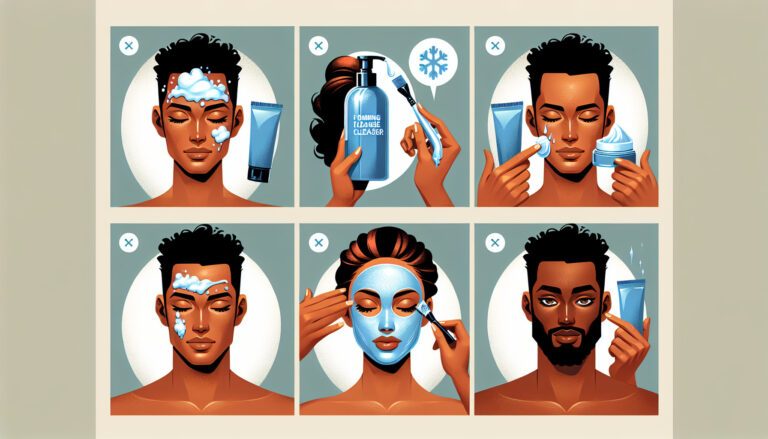 Best Skincare Routine for Abuja’s Weather
 7 Reasons To Choose Our Medispa Grade Facials Services In Abuja
 Why Our Advanced Facials Services Use Only Organic Products
 What Are The Top Anti Aging Products Used In Our Facials Services
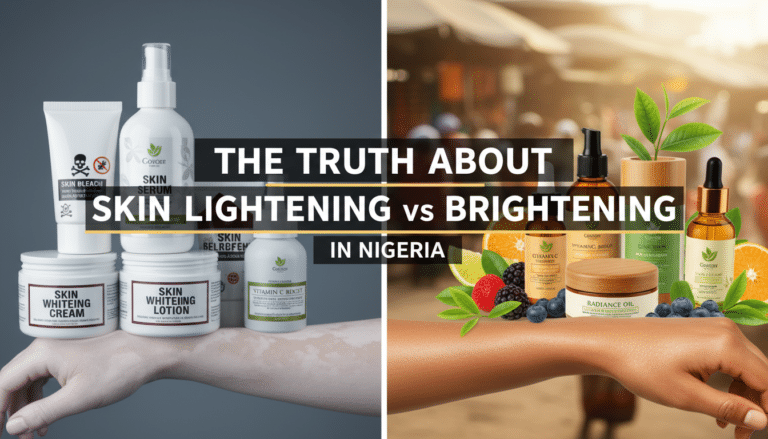 The Truth About Skin Lightening vs Brightening in Nigeria
 The Best Nude Polish Shades for Every Nigerian Skin Tone
 How to Achieve the ʼGlass Skinʼ Look in a Humid Climate