

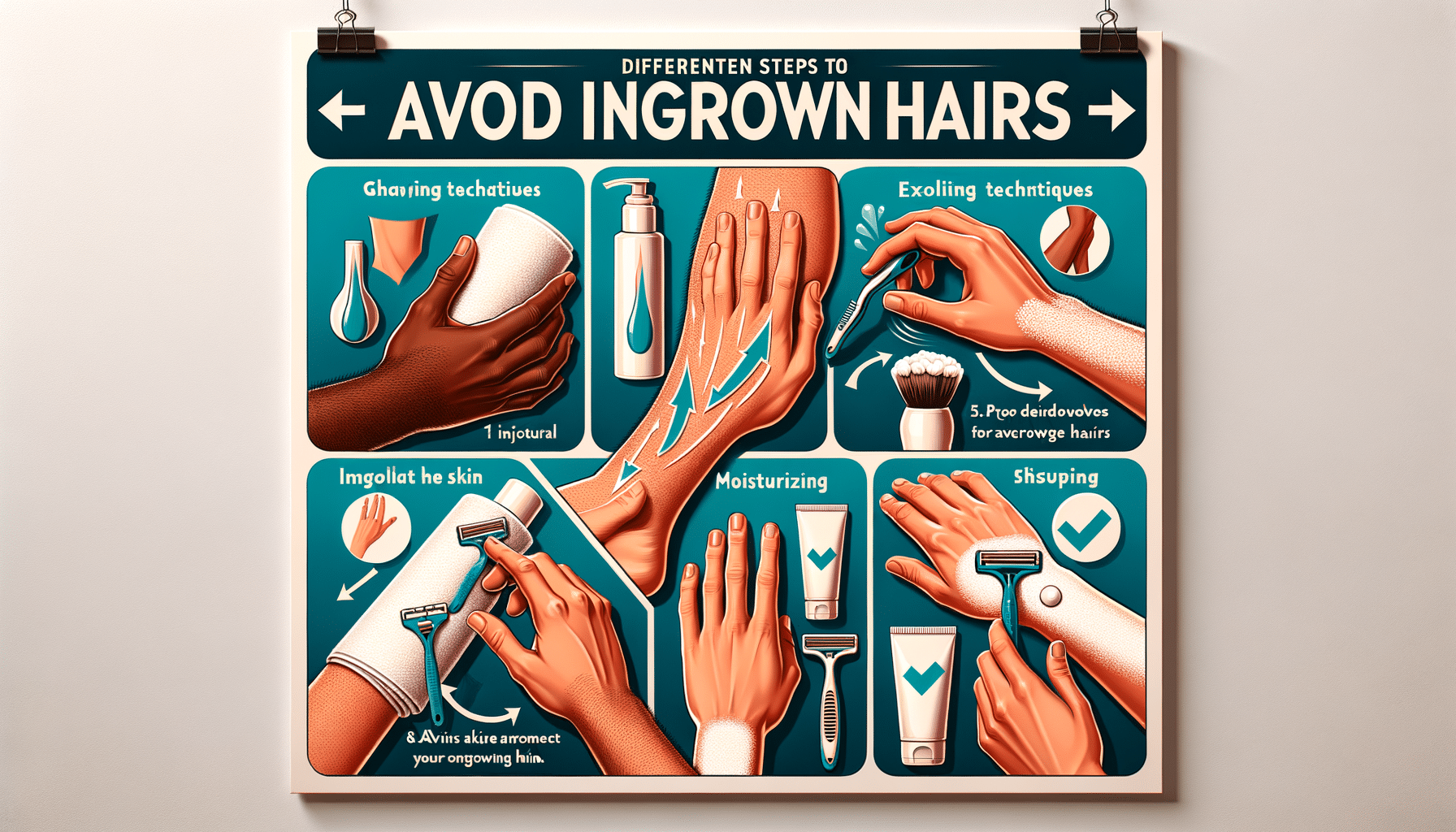
Ingrown hairs are a common yet often frustrating issue that many people face, particularly after shaving or waxing. These pesky hairs occur when hair grows back into the skin rather than out through the hair follicle, often leading to irritation, redness, and sometimes even infection. While they are not typically a serious health concern, preventing ingrown hairs can enhance comfort and boost confidence. This comprehensive guide discusses the causes of ingrown hairs, preventive measures, and effective treatment options.
Understanding Ingrown Hairs
To effectively prevent ingrown hairs, it is crucial to understand what they are and why they occur. When hair is cut, especially in a curly or coarse hair type, the sharp tip can easily curve back into the skin. Additionally, dead skin cells can build up and clog hair follicles, making it more difficult for hair to emerge properly.
Common areas affected by ingrown hairs include:
- Face: Especially in men who shave, ingrown hairs can occur in the beard region.
- Legs: Women who shave their legs may experience this issue as well.
- Bikini area: Waxing or shaving this sensitive area can lead to ingrown hairs.
- Armpits: Frequent shaving can irritate this delicate skin, leading to unwanted ingrown hairs.
Factors Contributing to Ingrown Hairs
Several factors can increase the likelihood of developing ingrown hairs:
- Hair Type: Coarse or curly hair has a higher propensity to curl back into the skin after shaving.
- Shaving Techniques: Poor shaving practices, such as shaving against the hair growth direction, can encourage ingrown hairs.
- Skin Condition: Individuals with thick or rough skin may be more vulnerable to ingrown hairs, especially if they’re prone to pseudofolliculitis barbae (razor bumps).
- Improper Preparation: Failing to adequately prepare the skin and hair before shaving or waxing can create an environment conducive to ingrown hairs.
Pre-Shaving Practices
Preparation is key when it comes to avoiding ingrown hairs. Implementing effective pre-shaving practices can significantly reduce the risk of developing these bothersome hair-related issues.
-
Exfoliating the Skin: Regular exfoliation helps remove dead skin cells and keeps hair follicles clear. Use a gentle body scrub or an exfoliating glove, focusing on areas prone to ingrown hairs. Doing this the day before shaving allows for ample skin renewal and minimizes the risk of clogged follicles.
-
Hydrating the Hair: When the hair is well-hydrated, it becomes softer and easier to manage. Try soaking your skin in warm water for a few minutes or using a hydrating shaving gel that contains moisturizers. This step can make shaving smoother and more effective.
-
Choosing the Right Shaving Tools: The type of razor you use can greatly impact your results. Opt for a sharp, clean razor to avoid tugging at hair follicles. Additionally, consider using a single-blade razor, as multiple blades can lead to more irritation and increase the risk of ingrown hairs.
- Applying Pre-Shave Oil: Such oils create a barrier between the skin and the razor, allowing for a smoother glide, which can help minimize irritation.
Shaving Techniques to Avoid Ingrown Hairs
The way you shave is crucial in preventing ingrown hairs. Following best practices during the shaving process can help keep your skin irritation-free.
-
Shave in the Direction of Hair Growth: Always shave in the direction your hair grows to avoid cutting the hair too short or creating sharp edges that can curl back into the skin.
-
Avoid Over-Shaving: Shaving too frequently, particularly in the same area, can irritate the skin and lead to ingrown hairs. If possible, give your skin time to heal between shaves.
-
Use Gentle Pressure: Applying too much pressure while shaving can lead to approximately cut hair follicles and skin irritation. Use light, gentle strokes.
- Avoid Rushing Through Shaving: Take your time during the shaving process. Rushing can lead to careless mistakes that could trigger ingrown hairs.
Post-Shaving Care
Post-shaving care is equally important in preventing ingrown hairs. Adopting the right practices after shaving can go a long way in reducing irritation.
-
Rinse and Pat Dry: After shaving, make sure to rinse with cool water to close the pores and pat your skin dry with a clean towel. Avoid rubbing your skin roughly, as this can lead to irritation.
-
Moisturize: After shaving, apply an alcohol-free moisturizer or soothing lotion that contains ingredients like aloe vera, which can help calm the skin and reduce the risk of irritation.
-
Avoid Tight Clothing: Particularly in areas prone to ingrown hairs, wearing loose-fitting clothing can help prevent friction and allow the hair follicles to breathe.
- Consider Over-the-Counter Treatments: If you have sensitive skin, consider using products designed to soothe and treat post-shaving irritation or ingrown hairs. Creams containing salicylic acid can help exfoliate the skin gently and keep follicles clear.
Waxing and Other Hair Removal Methods
For individuals who prefer waxing or other hair removal methods, there are also several considerations to keep in mind to prevent ingrown hairs.
-
Regular Exfoliation: Continue to exfoliate regularly, especially leading up to and following a waxing session. This keeps hair follicles clear.
-
Choose a Reputable Salon: If opting for professional waxing, choose a salon with good reviews and experienced estheticians. Poor waxing technique can increase the risk of ingrown hairs.
-
Skip Waxing When Skin is Irritated: If your skin is already red, inflamed, or irritated, it’s best to delay waxing until your skin has healed.
- Consider Other Hair Removal Options: Laser hair removal and electrolysis can effectively reduce hair growth over time, potentially decreasing the likelihood of ingrown hairs.
Natural Remedies for Ingrown Hairs
Even with the best prevention strategies, you might still find yourself dealing with an ingrown hair from time to time. There are several natural remedies to alleviate discomfort and irritation.
-
Warm Compress: Applying a warm compress can help reduce inflammation and allow the ingrown hair to break through the skin. This may be particularly useful if the area is red and inflamed.
-
Tea Tree Oil: Known for its antibacterial properties, tea tree oil can help reduce irritation and prevent infection. Dilute tea tree oil in a carrier oil, such as coconut oil, before applying it to the affected area.
-
Aloe Vera Gel: Aloe vera is known for its soothing properties, making it perfect for calming irritated skin. Applying pure aloe vera gel can help reduce redness and speed up healing.
-
Sugar Scrubs: DIY sugar scrubs can effectively exfoliate the skin, helping to free trapped hairs. Mix sugar with olive oil or coconut oil for a natural exfoliating treatment.
- Apple Cider Vinegar: Known for its antibacterial properties, apple cider vinegar can help prevent infection and soothe the skin. Dilute it with water, apply it to the affected area with a cotton ball, and let it sit for several minutes before rinsing.
When to Seek Medical Attention
In some cases, an ingrown hair can lead to more serious complications, such as infection. If you notice the following symptoms, it may be time to seek professional help:
- The area surrounding the ingrown hair becomes increasingly red and swollen.
- A fever develops.
- The ingrown hair does not improve within a week or worsens.
Consulting with a dermatologist can provide you with specialized treatment options tailored to your unique skin type and concerns.
Final Thoughts on Preventing Ingrown Hairs
By understanding the causes of ingrown hairs and implementing effective prevention tactics, you can significantly reduce the likelihood of this common skin issue. By focusing on proper pre-shaving practices, appropriate shaving techniques, diligent post-shaving care, and keeping your skin in good condition, you can enjoy smooth, irritation-free skin. In the event that ingrown hairs do occur, natural remedies can help alleviate discomfort while you explore the best preventative strategies for your future grooming routines.
Related Posts
 7 Common Mistakes To Avoid After Receiving Pedicure Services In Abuja
 Maintain Your Natural Hair Easily
 Why Your Body Needs Regular Wellness Services Including A Signature Deep Tissue Massage Services
 Why Expert Facials Services Are Key To Your Overall Wellness Services Plan In Abuja
 Why Getting Regular Manicure Services Boosts Your Confidence
 Why Investing In Premium Facials Services Prevents Early Aging
 Why Everyone In Abuja Is Talking About Our Relaxation Massage Services
 Why Our Medical Pedicure Services Are The Safest In Abuja Which Wellness Services Does It Include