

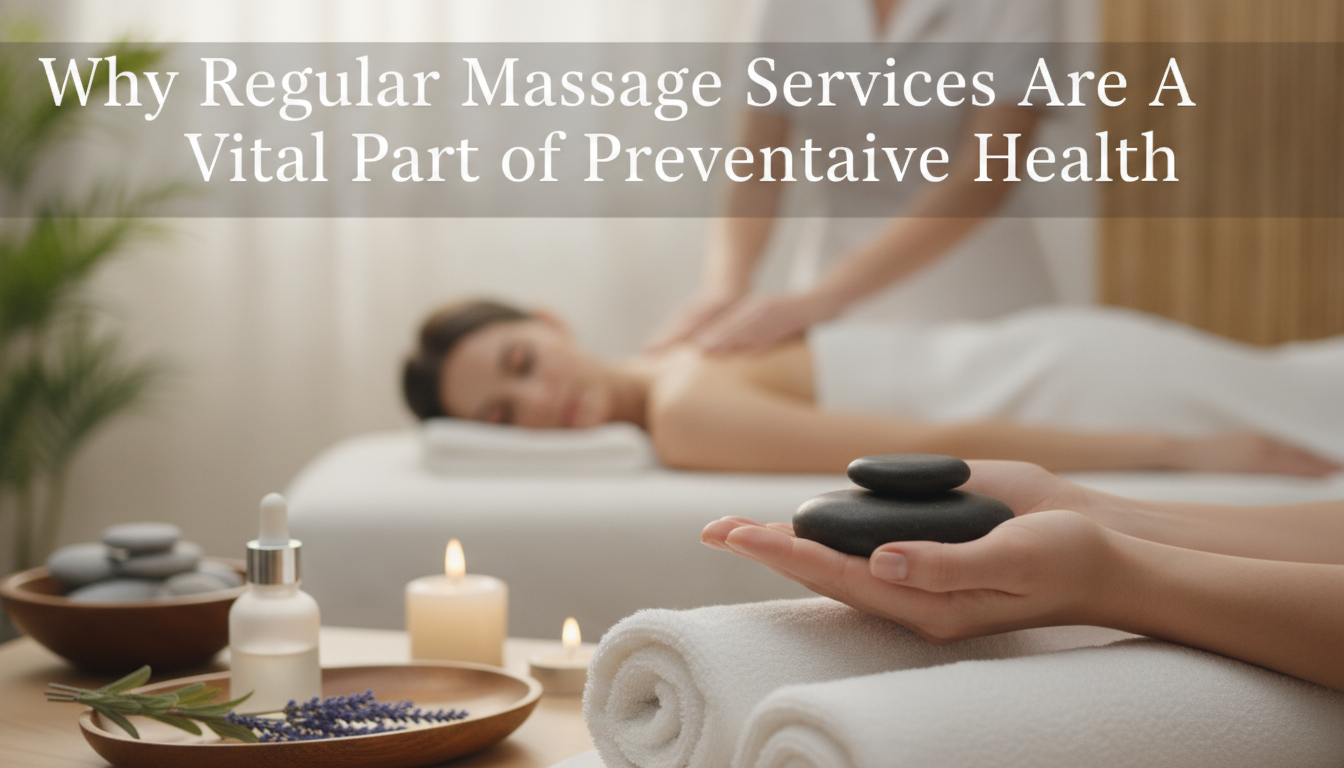
When most people think about preventative health, they picture gym memberships, annual checkups, and clean eating. Massage services rarely make the list — and that’s a missed opportunity. Regular massage therapy is one of the most effective, evidence-backed tools for maintaining physical and mental wellbeing before problems become serious. It’s not a luxury reserved for special occasions. For a growing number of health-conscious people in Abuja and beyond, it’s simply part of how they take care of themselves.
The Difference Between Reactive and Preventative Health
Most of us are trained to seek treatment after something goes wrong. Pain flares up, stress boils over, sleep becomes impossible — then we act. Preventative health flips that model entirely. The goal is to maintain balance and function in the body so that problems are less likely to develop in the first place.
Massage services fit naturally into this framework. A session every two to four weeks doesn’t just feel good in the moment — it keeps muscles supple, circulation active, and the nervous system regulated. Think of it like dental hygiene: you don’t wait for a toothache to start brushing your teeth.
The World Health Organization recognizes stress-related illness as one of the leading contributors to chronic disease globally. Addressing stress proactively — through consistent bodywork, among other practices — is increasingly understood as genuine healthcare, not indulgence.
How Regular Massage Services Support the Body’s Core Systems
Circulation and Lymphatic Flow
Massage therapy stimulates blood flow throughout the body, helping oxygen and nutrients reach tissues more efficiently. This is particularly beneficial for people who sit at a desk for long hours — a common reality for professionals working in Abuja’s government ministries, corporate offices, and busy commercial hubs.
The lymphatic system, which plays a critical role in immune function and waste removal, also benefits from manual stimulation. Techniques like lymphatic drainage massage can help reduce puffiness, support detoxification, and strengthen the body’s natural defenses over time.
Musculoskeletal Health
Muscle tension accumulates gradually — often without noticeable pain until the problem is already advanced. Regular massage breaks this cycle. By working through layers of soft tissue, a skilled therapist can identify areas of tension early, before they develop into chronic pain or postural dysfunction.
For example, someone who drives long distances through Abuja traffic daily — easily 45 minutes to two hours each way — is likely accumulating significant tension in the neck, shoulders, and lower back. A monthly or bi-weekly massage session can address this before it becomes a clinical issue requiring physiotherapy or pain medication.
The Nervous System and Stress Response
Therapeutic touch has a measurable effect on the autonomic nervous system. Studies published in peer-reviewed journals including the Journal of Clinical Psychiatry have shown that massage reduces cortisol levels and increases serotonin and dopamine — the neurotransmitters associated with mood regulation and calm.
In practical terms, this means that regular massage sessions help train the body to recover from stress more efficiently. You’re not just relaxing on the table — you’re building resilience into your baseline.
Massage and Mental Wellbeing: More Than Just Relaxation
There’s a tendency to treat mental and physical health as separate concerns. They’re not. Chronic stress, anxiety, and poor sleep all manifest physically — in tight muscles, elevated blood pressure, weakened immunity, and hormonal imbalance. Addressing the body directly is one of the most effective ways to influence mental state.
For busy professionals in Abuja — managing demanding schedules, navigating city logistics, and balancing work with family life — mental load is a real and constant pressure. Regular massage services offer a structured, offline pause. An hour on the treatment table is an hour when no call needs to be answered, no decision needs to be made, and no email is waiting. That kind of genuine rest is increasingly rare, and its health value shouldn’t be underestimated.
Research suggests that consistent massage therapy over a six to eight week period can significantly reduce symptoms of generalized anxiety. This isn’t anecdotal — it reflects how the body responds to repeated parasympathetic activation through touch.
The Abuja Context: Why This Matters Here Specifically
Harmattan Season and Physical Stress
Abuja’s climate presents its own set of health challenges. During harmattan season — typically from November through February — the dry, dusty air affects respiratory health, skin condition, and general energy levels. Many people experience fatigue, dehydration, and muscle tension during this period without connecting it to seasonal environmental stress.
Regular bodywork during harmattan helps improve circulation to the skin, supports lymphatic flow, and gives the body a better chance of maintaining balance despite the environmental demands. Pairing massage with quality skincare — particularly with products formulated for dry conditions — creates a genuinely effective seasonal wellness routine.
The Pace of Life in the FCT
Abuja is a high-functioning, high-pressure city. Government officials, business executives, consultants, and entrepreneurs all operate at an intense pace. Social commitments are equally demanding — wedding culture in Nigeria means that many weekends involve multiple events, outfits, and late nights, particularly around the harmattan and dry season social calendar.
This pace takes a measurable toll. Preventative massage services offer a practical countermeasure — not as an occasional treat, but as a consistent part of managing the physical and emotional cost of a full life.
What Frequency Actually Makes a Difference?
One of the most common questions people have is how often they actually need a massage for it to have a preventative effect. The honest answer depends on lifestyle, but here are some practical benchmarks:
- Once a month: A good starting point for generally healthy adults. Enough to maintain muscular balance, support circulation, and provide regular nervous system reset.
- Every two weeks: Ideal for people with physically demanding jobs, high-stress careers, or those managing mild chronic tension. At this frequency, therapists can address issues progressively rather than just maintaining the status quo.
- Weekly: Recommended for people recovering from specific soft-tissue issues, managing diagnosed anxiety or sleep disorders, or preparing for and recovering from significant physical events (long-distance travel, surgery recovery, intense training).
The key is consistency. A single 90-minute massage is genuinely beneficial, but a 60-minute session every three weeks over several months will have a far more lasting impact on your baseline health. Think of it as compounding interest — the benefits build on themselves over time.
Choosing the Right Type of Massage for Preventative Health
Swedish Massage
Often the default recommendation for preventative care, Swedish massage uses long, flowing strokes combined with kneading and gentle pressure to promote circulation, reduce surface tension, and activate the relaxation response. A 60-minute Swedish session every two to four weeks is a solid preventative baseline for most adults.
Deep Tissue Massage
More targeted than Swedish, deep tissue work addresses the deeper layers of muscle and connective tissue. It’s particularly useful for people with recurring areas of chronic tension — common sites include the trapezius, lumbar region, and hip flexors. This type of massage is often slightly uncomfortable in the moment but produces significant relief over a course of sessions.
Hot Stone and Specialty Treatments
Hot stone massage uses smooth, heated basalt stones to warm and loosen muscle tissue, allowing therapists to work more effectively without additional pressure. For people who find deep tissue work too intense, this can be an excellent middle ground. It’s also particularly soothing during the cooler harmattan months.
Aromatherapy and Holistic Approaches
Aromatherapy massage combines the physical benefits of bodywork with the therapeutic properties of essential oils. When high-quality, certified products are used — such as those that are cruelty-free and made from locally sourced organic ingredients — the sensory experience deepens the relaxation response and adds an additional layer of skin and respiratory benefit.
What to Look for in a Massage Provider
Not all massage services are equal. For massage to deliver real preventative value, the quality of the environment, the training of the therapist, and the standards of hygiene all matter significantly.
Therapists should be formally trained and able to adapt their technique based on your specific health context — not just apply a generic routine. The treatment space should be clean, calm, and properly equipped. Products used on your skin should be of verifiable quality — ideally certified organic, cruelty-free, and appropriate for your skin type.
Luxor Salon and Spa has been operating in Abuja since 2013, building a reputation for professional, high-standard wellness services across two established branches. Both locations operate 24/7 — a detail that matters practically for busy professionals who can’t always schedule self-care during conventional hours. The Maitama branch at 56 Usuma Street, Off Gana Street sits in one of Abuja’s most prestigious residential districts, while the Wuse 2 branch at 792b Adetokunbo Ademola Crescent is positioned right in the city’s commercial center. Whichever part of Abuja you’re coming from, one branch is likely within easy reach.
Frequently Asked Questions
How often should I get a massage for it to actually benefit my health?
For most people, once a month is a useful minimum for general preventative benefit. If you’re managing ongoing stress, a physically demanding lifestyle, or recurring muscle tension, every two weeks is more effective. Your therapist can help you assess what frequency makes sense for your specific situation after an initial session.
Is massage safe if I have a medical condition?
In most cases, yes — but it depends on the condition. Massage is generally contraindicated during acute infections, active inflammation, or certain cardiovascular conditions. If you have a diagnosed health condition, it’s worth speaking with your doctor first and then informing your therapist before the session begins. A trained therapist will adjust their technique accordingly.
What’s the difference between a relaxation massage and a therapeutic massage?
Relaxation (or Swedish) massage prioritizes the nervous system response — calming the body and reducing surface tension through lighter, flowing strokes. Therapeutic massage (such as deep tissue or sports massage) targets specific musculoskeletal issues with more focused, often deeper pressure. Many preventative sessions blend both approaches, starting with relaxation and moving into more targeted work as needed.
Do I need to book in advance, or can I walk in?
Booking in advance is always recommended, especially at busy periods. Both Luxor branches are open 24/7, which gives you flexibility, but securing a specific time with a preferred therapist is easier when you book ahead. You can reach the Maitama branch at (+234) 701 888 0102 or the Wuse 2 branch at (+234) 701 888 0100 to check availability.
Which Luxor branch should I visit?
Both branches offer the same high standard of service — the choice really comes down to convenience. If you’re based in or around Maitama, Asokoro, or the northern districts, the Maitama branch on Usuma Street is the natural choice. If you work or live closer to Wuse 2, Central Business District, or Garki, the Adetokunbo Ademola Crescent location is more practical. Both are open around the clock, so the decision is simply about which is easier for you to reach.
Making Massage Services a Non-Negotiable Part of Your Health Routine
Preventative health isn’t about doing everything perfectly. It’s about making consistent, thoughtful choices that add up over time. Regular massage services fit into that framework in a way that’s both enjoyable and measurably effective — reducing the body’s stress load, supporting muscular and circulatory health, and improving mental resilience before problems have a chance to take hold.
The shift in mindset required is small but important: from treating massage as an occasional reward to recognizing it as a regular investment in how well your body and mind function day to day. Given how much the demands of life in Abuja ask of you — the pace, the heat, the traffic, the social and professional expectations — it’s a form of maintenance your body genuinely needs.
Start where you are. Book a session, see how you feel, and build from there. The evidence, the experience, and the physiology all point in the same direction.
Ready to take the next step? Whether you want to ask a question, check availability, or go ahead and book, the team at Luxor Salon and Spa is ready to help. Reach the Maitama branch at moc.apsdnanolasroxul@ofni or (+234) 701 888 0102, or the Wuse 2 branch at moc.apsdnanolasroxul@2esuw or (+234) 701 888 0100. You can also book online at your convenience. Both branches are open 24/7 — so whenever you’re ready, they are too.
Luxor Spa Salon | Best Spa & Wellness Center in Abuja Home
Related Posts
 When Should Men Book Regular Pedicure Services For Foot Health
 What Are The Health Benefits Of A Regular Foot Pedicure Services
 How Our Wellness Services Are Designed To Boost Mental Health
 7 Benefits Of Receiving Regular Full Body Massage Services
 7 Signs You Need A Medical Grade Pedicure Services Immediately
 How To Get Strong Healthy Nails With Regular Manicure Services
 When Should I Schedule My Next Swedish Massage Services Session
 Why Are Specific Facials Services Recommended For Oily Skin