
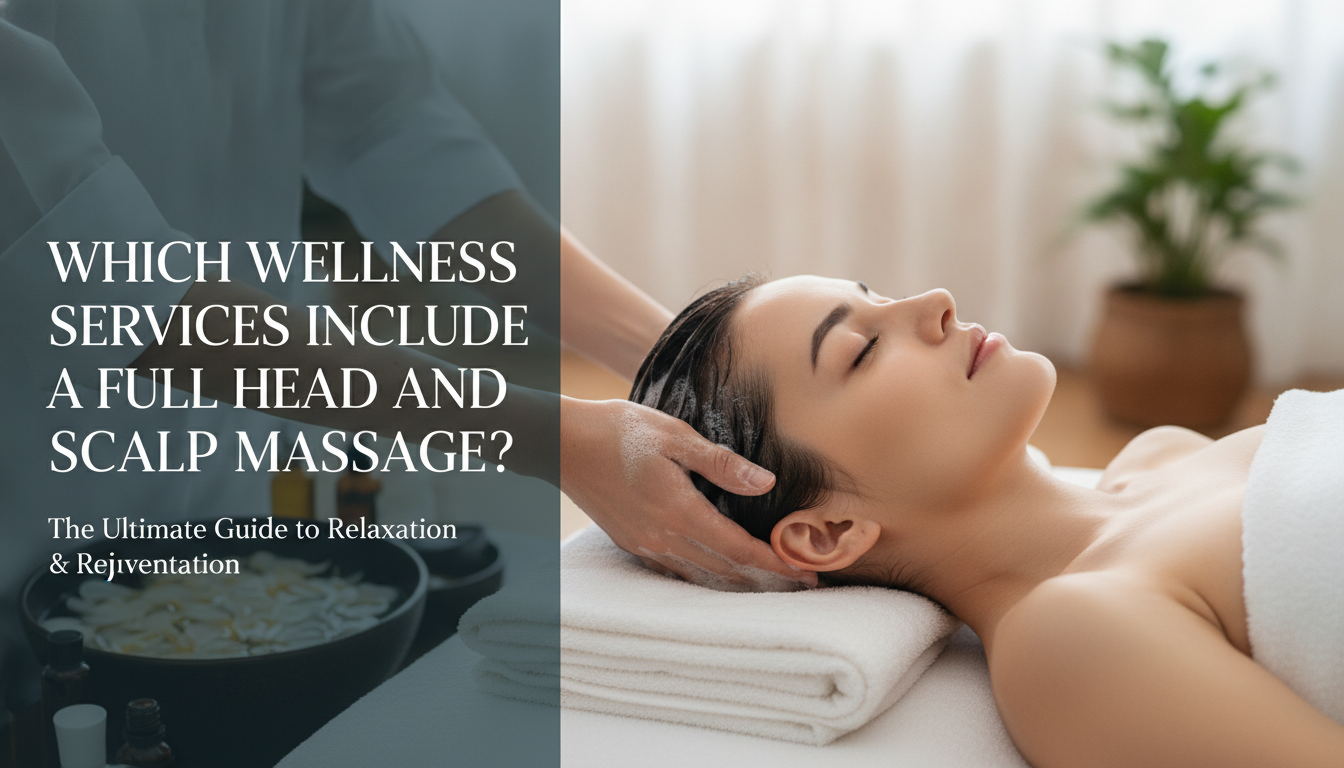
If you’ve ever walked out of a spa feeling like your entire nervous system had been reset, there’s a good chance a head and scalp massage played a role. That specific combination of pressure, rhythm, and attention to the scalp can shift your mood, ease tension, and leave your hair looking visibly healthier — all within a single session. But not every wellness service includes it, and knowing which ones do can help you choose the right treatment for what your body actually needs.
Whether you’re dealing with harmattan-dry scalp, stress headaches from long hours in Abuja traffic, or simply want to feel genuinely pampered before a big event, a full head and scalp massage can be the difference between a good session and a transformative one. This guide breaks down exactly which wellness services typically include it and what to expect from each.
Why Head and Scalp Massage Deserves More Attention
The scalp contains hundreds of nerve endings and connects directly to the muscles of the neck, temples, and jaw — areas where most people carry tension without realising it. A full head and scalp massage addresses all of these at once, working through the occipital muscles at the base of the skull, the temporalis along the sides of the head, and the galea — the connective tissue that runs across the top of the scalp.
Research published in the journal PLOS ONE found that even a four-minute standardised scalp massage performed daily over 24 weeks increased hair thickness in participants. Beyond hair health, scalp massage has been shown to reduce levels of cortisol — the body’s primary stress hormone — making it a genuinely therapeutic addition to any treatment, not just a feel-good bonus.
For residents in Abuja, the dry harmattan season adds another layer of urgency. The low humidity strips moisture from the scalp just as aggressively as it does from the skin, leading to flaking, tightness, and hair breakage. A massage that incorporates nourishing oils during this period isn’t just relaxing — it’s genuinely restorative.
Wellness Services That Include a Full Head and Scalp Massage
1. Indian Head Massage (Champissage)
This is the treatment most directly associated with full head and scalp work. Rooted in Ayurvedic tradition and practised for over a thousand years, Indian Head Massage focuses specifically on the head, neck, shoulders, and upper back. A typical session lasts between 30 and 45 minutes, though extended versions can run to an hour.
The therapist uses a combination of effleurage, friction, and pressure point techniques to release fascia tension and stimulate circulation in the scalp. Warm oils — often sesame, coconut, or brahmi oil — are commonly used, which makes it particularly beneficial during dry weather months.
Unlike a full-body massage, you remain fully clothed for most of the session, making it easy to fit into a lunch break or between meetings without needing extra preparation time.
2. Swedish Massage with Scalp Extension
A classic Swedish massage focuses on the back, shoulders, legs, and arms — but many professional spa therapists offer a scalp component as part of the head and face sequence at the end of a session. This is often called a “scalp extension” or included as part of a full-body upgrade.
When the scalp component is included, the therapist typically works from the neck upward, using circular fingertip pressure across the entire scalp before finishing at the crown. The session usually ends here to allow the nervous system to fully settle. Look for this specifically when booking, as not all standard Swedish packages include it by default.
3. Deep Tissue Massage with Neck and Scalp Focus
For those carrying chronic tension — especially common among desk workers, drivers, and professionals who spend long hours on screens — a deep tissue massage that extends to the neck and scalp can be remarkably effective. The therapist uses slower, more deliberate strokes and sustained pressure to reach the deeper layers of muscle tissue.
The trapezius and suboccipital muscles at the top of the neck connect directly to the base of the skull, and releasing them during a deep tissue session allows for a more thorough scalp massage. Clients who experience frequent tension headaches often notice significant relief after just one or two sessions of this type.
4. Aromatherapy Massage
Aromatherapy massages use essential oil blends diluted in a carrier oil, and many full-body aromatherapy treatments include a scalp component as the final stage. The scalp absorbs essential oils readily due to its rich blood supply, which means the therapeutic benefits of oils like lavender (calming), rosemary (stimulating), or peppermint (cooling) are delivered more efficiently here than almost anywhere else on the body.
A 60 to 90-minute aromatherapy session that includes the scalp gives you both the systemic benefits of the essential oils through inhalation and skin absorption, and the mechanical benefits of the massage itself. This makes it a particularly well-rounded option.
5. Hot Oil Hair Treatments
Often performed in salon settings rather than spa environments, hot oil hair treatments almost always include a scalp massage as the method of application. The warm oil — whether argan, castor, coconut, or a bespoke blend — is worked into the scalp using methodical circular motions before being distributed through the lengths of the hair.
The heat opens the hair cuticle and allows deeper penetration of nutrients, while the massage stimulates blood flow to the follicles. Sessions typically last between 20 and 40 minutes, and many therapists leave the oil on for an additional 15 to 30 minutes under steam or a warm wrap before rinsing. This is one of the most targeted treatments for scalp health specifically.
6. Scalp Detox and Treatment Services
Scalp detox treatments are a more recent addition to professional wellness menus. They use exfoliating scrubs, clarifying serums, or enzyme-based treatments to remove product buildup and dead skin from the scalp before a deep conditioning application. The massage component here is twofold: first during the scrub application, and again when the treatment mask or serum is worked in.
These sessions typically run 45 to 60 minutes and are especially useful for people who use a lot of styling products, spend significant time in dusty or polluted environments, or notice persistent scalp buildup despite regular washing. In Abuja, where dust from laterite roads and harmattan particulates are a real concern, these treatments tend to be particularly effective.
7. Spa Day Packages and Full-Body Wellness Rituals
Many comprehensive spa day packages bundle multiple treatments into a single extended session. These packages almost always include a scalp massage at some stage — either as a standalone component, as part of a facial, or integrated into the massage portion of the ritual.
When reviewing what’s included in a spa package, look for specific mentions of “scalp work,” “head massage,” or “cranial massage” in the treatment description. A reputable spa will detail each stage of the package clearly so you know exactly what to expect before you arrive.
What a Professional Scalp Massage Actually Involves
Understanding the process helps you get more from the experience — and helps you communicate clearly with your therapist before the session begins.
- Preparation: The therapist will typically ask about any scalp conditions, sensitivities, or recent chemical treatments before starting. This takes two to three minutes and is genuinely important.
- Oil or product application: Depending on the service, a warm oil or treatment product is applied in sections from the hairline to the nape of the neck.
- Effleurage: Long, slow strokes from the base of the skull to the crown warm the scalp and begin circulation.
- Friction and circular pressure: The therapist uses fingertips (not nails) in small, firm circles across the entire scalp. This is the core of the technique.
- Pressure points: Key points at the temples, crown, and base of the skull receive sustained pressure — these correspond to areas of common tension and have a noticeably calming effect.
- Finishing strokes: Slow, light strokes signal the end of the scalp portion and allow the nervous system to settle before transitioning to the next stage of the treatment.
A well-executed full scalp massage should feel thorough but never uncomfortable. If pressure is too intense at any point, communicating that to your therapist mid-session is completely normal and encouraged.
How Often Should You Have a Head and Scalp Massage?
For general wellness and stress management, once every two to four weeks is a practical and sustainable frequency for most people. If you’re specifically targeting scalp health, hair growth, or tension headaches, weekly sessions for four to six weeks followed by a maintenance schedule tend to produce more noticeable results.
For event preparation — whether a wedding, photoshoot, or significant occasion — a series of three treatments spaced one week apart in the month before the event is a common approach used by both brides and grooms in Abuja to ensure their hair and scalp are in peak condition.
During harmattan season (typically November through February in the FCT), increasing your frequency slightly makes practical sense, as the dry air accelerates scalp dehydration regardless of your home care routine.
Choosing the Right Service for Your Needs
Not every scalp issue calls for the same treatment. Here’s a quick practical breakdown:
- Stress and tension headaches: Indian Head Massage or Deep Tissue with neck and scalp focus
- Dry, flaky scalp during harmattan: Hot Oil Treatment or Aromatherapy Massage with nourishing oils
- Product buildup or scalp congestion: Scalp Detox Treatment
- General relaxation with hair benefits: Aromatherapy or Swedish Massage with scalp extension
- Full pampering experience before an event: Spa Day Package that includes scalp work as a dedicated component
When in doubt, describing your specific concern to the spa team when booking allows them to recommend the most appropriate service — a good spa team will prioritise your actual needs over simply upselling the most expensive option.
What to Look for in a Quality Spa Offering Scalp Services
Not all scalp treatments are created equal. There are a few clear indicators that separate genuinely professional services from superficial ones.
Trained Therapists
A therapist performing scalp work should have specific training in massage techniques, not just general beauty training. Techniques like suboccipital release and pressure point work require anatomical knowledge to be performed safely and effectively.
Product Standards
The oils and products used on your scalp matter significantly, as they are absorbed directly through the skin. Look for spas that use certified organic, cruelty-free, and locally sourced ingredients where possible. This is especially important for clients with sensitive skin or known allergies.
Hygiene Protocols
Scalp treatments involve close contact and product application to an area that can harbour bacteria if tools and linens aren’t properly sanitised between clients. A reputable spa will use fresh towels and sterilised tools for every session and should be transparent about this if asked.
Established Track Record
A spa that has been operating for a decade or more and has maintained a consistent reputation for quality is a safer choice than a newer, untested establishment — particularly for treatments as intimate as scalp and head massage.
Luxor Salon and Spa: Where Head and Scalp Massage Is Done Right
Luxor Salon and Spa has been operating in Abuja since 2013, which means over a decade of refining its wellness services for the specific needs of FCT residents. Both branches offer a comprehensive menu that includes Indian Head Massage, hot oil treatments, aromatherapy massage, scalp detox services, and bespoke spa packages — all performed by trained therapists using eco-friendly, cruelty-free products.
The Maitama branch, located at 56 Usuma Street, Off Gana Street, sits in one of Abuja’s most prestigious districts and offers a premium environment suited to professionals who want a high-quality experience close to the city’s government and diplomatic zones. The Wuse 2 branch at 792b Adetokunbo Ademola Crescent is the flagship location, positioned at the heart of the city’s commercial hub — ideal for those working or living in the central Abuja area.
Both branches operate 24/7, which makes it genuinely possible to book an early morning session before work, a late-night treatment after a long event, or a spontaneous same-day visit without the usual scheduling constraints of traditional spa hours.
Locally sourced organic ingredients are used where available, and the product standards across both branches meet certified cruelty-free benchmarks — details that matter for clients who are conscious about what goes onto their scalp and hair.
Frequently Asked Questions
What is the difference between a head massage and a scalp massage?
A scalp massage focuses specifically on the skin and underlying tissue of the scalp itself, targeting the follicles, circulation, and surface layer. A head massage typically encompasses the scalp along with the temples, forehead, and often the neck and shoulders. Most professional treatments described as “head massage” include the scalp as a central component.
How long does a full head and scalp massage typically take?
As a standalone service, a dedicated Indian Head Massage typically runs 30 to 45 minutes. When included as part of a larger treatment — such as an aromatherapy massage or spa package — the scalp component usually takes 10 to 20 minutes within the broader session. Hot oil treatments that focus on the scalp tend to run 40 to 60 minutes including application and absorption time.
Is it worth booking a head and scalp massage if I already oil my hair at home?
Yes — and for a specific reason. The technique used by a trained therapist applies significantly more varied pressure and covers the full scalp more systematically than most people achieve at home. The suboccipital and temporal areas in particular are difficult to massage effectively on yourself. Professional treatments also use higher-quality products and controlled temperatures that are harder to replicate independently.
Do I need to book in advance, or can I walk in?
Both Luxor branches welcome walk-in clients and operate 24/7, so you can visit without a prior appointment. However, booking in advance is recommended during peak periods — particularly weekends, public holidays, and the weeks leading up to major events — to ensure your preferred therapist and timeslot are available.
Which Luxor branch should I visit?
It genuinely depends on where you are in the city. The Maitama branch at 56 Usuma Street is the better choice if you’re in the northern and central parts of Abuja, particularly near the Three Arms Zone or the Maitama residential areas. The Wuse 2 branch at 792b Adetokunbo Ademola Crescent is more convenient if you’re in the commercial hub or travelling from Wuse, Utako, or surrounding areas. Both branches offer the same service standards and product quality.
Final Thoughts
A full head and scalp massage isn’t a luxury reserved for special occasions — it’s a practical, evidence-backed component of regular wellness maintenance that shows up across a wide range of professional treatments. Whether you choose Indian Head Massage for targeted relief, a hot oil treatment for scalp nourishment, or a comprehensive spa package for a complete reset, the key is knowing what to look for and choosing a spa that delivers it with genuine skill and quality products.
For Abuja residents navigating city stress, seasonal harmattan dryness, and the demands of busy professional and social lives, making head and scalp care a consistent part of your wellness routine is one of the most practical investments you can make in both your appearance and your wellbeing.
Ready to book or want to find out more about which service is right for you? Reach the Luxor Maitama branch at moc.apsdnanolasroxul@ofni or call (+234) 701 888 0102. For the Wuse 2 branch, contact moc.apsdnanolasroxul@2esuw or call (+234) 701 888 0100. Both branches are open 24/7, so there’s never a wrong time to get in touch. You can also book online at your convenience — the team is always happy to help you find the right treatment for what you need.