

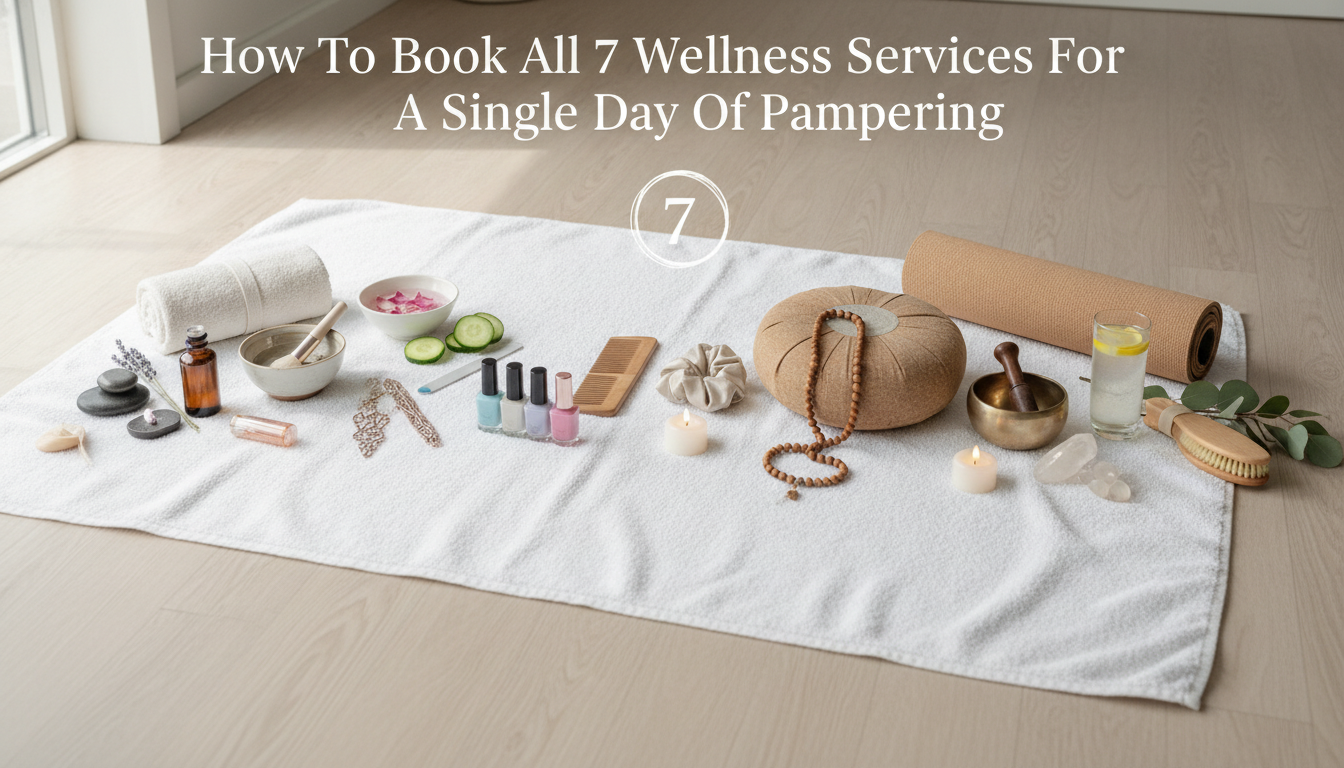
A full body massage in Abuja is one of the most effective ways to relieve accumulated muscle tension, reduce cortisol levels, and restore circulation — particularly for people working long hours in a high-pressure city. At Luxor Salon and Spa, a full body massage begins with a brief consultation to assess pressure preferences, any areas of concern, and whether you are taking medications that might affect treatment. The session typically covers the back, shoulders, neck, arms, legs, and feet using a combination of long effleurage strokes and targeted kneading on tension points. Most clients leave feeling measurably lighter — not a metaphor, but the result of reduced muscle guarding that builds up silently over weeks of desk work, long commutes, and erratic sleep.
Why Abuja’s Lifestyle Creates a Genuine Need for Full Body Massage
Anyone who has sat through Friday evening traffic on the Airport Road or crawled along the Kubwa Expressway after a full working day understands what sustained physical tension feels like. The body braces for impact — literally — and that bracing accumulates in the neck, shoulders, and lower back over months. Civil servants, diplomats, NGO workers, and business owners who make up much of Abuja’s professional population often describe the same pattern: a stiff neck by Wednesday, a dull lower back ache by Friday, and a weekend that disappears before the tension ever fully releases.
The city’s climate compounds this. During harmattan — roughly November through February — the sharp drop in humidity dries out fascia and skin simultaneously, making muscles feel tighter than usual and leaving the skin visibly ashy before you even reach the massage table. A session during these months benefits from the application of deeply nourishing massage oils rather than lighter lotions, because the skin is actively losing moisture to the dry Saharan air. During the rainy season, the opposite pattern emerges: the body retains fluid, circulation can feel sluggish, and the kind of compression techniques used in a lymphatic drainage element genuinely move things along.
What Actually Happens During a Full Body Massage at Luxor
The Consultation
Before you lie down, your therapist will ask you about your current physical state — not as a formality, but because the information changes the session. Are you recovering from a minor injury? Do you have varicose veins? Are you pregnant? Each of these changes which techniques are appropriate, how much pressure is safe, and which areas should be avoided. If you have a skin condition or sensitivity, this is also the moment to mention it, so the massage oil or cream selected does not aggravate anything.
This consultation is where a competent therapist earns their value. At Luxor, therapists are trained and certified, not simply handed a client. The conversation is brief — five to ten minutes — but it is what separates a tailored therapeutic session from a generic one.
The Sequence
A full body massage typically follows a structured progression rather than a random sequence. The order matters because it allows the body’s nervous system to respond gradually and prevents the session from feeling disjointed. A standard sequence runs as follows:
- Back and shoulders — usually the first area addressed because it carries the most tension for most clients. Long warming strokes open the muscles before deeper pressure is applied to specific knots.
- Neck and scalp — the neck connects directly to the patterns established in the upper back, so releasing it mid-session rather than at the start prevents re-engagement of the same tension.
- Arms and hands — often underserved but particularly useful for clients who type for long hours or carry heavy bags. The forearm extensors are frequently tight in ways the client has not noticed.
- Glutes and lower back — the gluteal muscles attach directly to structures that affect lower back pain; addressing them as part of the session rather than in isolation produces longer-lasting relief.
- Legs and feet — circulation work along the calves is especially effective for people who sit for long periods. The foot component is often where clients finally let go completely.
Pressure and Technique
Swedish massage techniques — effleurage, petrissage, and friction — form the foundation of a full body massage, but most experienced therapists blend in elements based on what they find. If a client’s upper trapezius is in significant spasm, a brief trigger-point hold is more effective than a continuation of long strokes. Your therapist should check in on pressure periodically; if they do not, you should volunteer the information without hesitation. A good massage is a conversation, not a performance.
Deep tissue work is sometimes requested, and it is worth being realistic about the experience: productive deep tissue massage is not pleasant in the moment on genuinely tight areas. Some temporary soreness the following day is normal and expected. What should not happen is sharp pain, numbness, or discomfort that persists beyond 24 to 48 hours. If that occurs, consult a physiotherapist or physician rather than attributing it to the treatment.
How Often Should You Book a Full Body Massage in Abuja?
For people managing chronic muscle tension from occupational stress or long daily commutes, a session every two to four weeks is the range most consistently cited by massage therapists as beneficial for maintenance. Monthly sessions are a realistic minimum for stress management. If you are recovering from a specific muscular issue, a closer frequency — weekly for a short period — may be recommended, but this is a conversation to have with your therapist and, if relevant, a physiotherapist.
The harmattan months are worth planning around deliberately. Between November and February, the combination of cold-dry air, reduced physical activity, and the general busyness of the December returnee season and Sallah festivities means many people arrive carrying more physical tension than usual. Booking in advance during this period — particularly around Christmas and New Year — makes the difference between getting the slot you need and spending January waiting for availability.
If you are thinking about your December schedule now, you can book online and reserve your preferred time before the peak season fills the diary.
Massage and Melanin-Rich Skin: What to Know
This is rarely discussed but genuinely matters. Massage oils and creams used on darker skin tones should be chosen with the same care applied to other skincare products. Mineral oil-heavy formulations can sit on the skin surface without absorbing properly, leaving a residue that feels greasy rather than nourishing. Products containing fragrance compounds can trigger post-inflammatory hyperpigmentation in sensitive skin — a particular concern given how visibly PIH presents on deeper skin tones.
At Luxor, the product standards applied across services include cruelty-free and eco-friendly formulations, and the team does not use products without verifiable NAFDAC registration on the Nigerian market. This matters more than it might seem: unregistered cosmetic products — particularly oils and creams sourced informally — sometimes contain undisclosed active ingredients, mercury compounds, or banned concentrations of hydroquinone that can cause long-term skin damage. A professional setting with documented product standards is not a small detail; it is the difference between a session that genuinely benefits your skin and one that quietly harms it.
A Realistic Scenario: The Abuja Professional Who Finally Books
Consider someone working in an NGO office on Aguiyi Ironsi Street — a forty-five-minute commute from home on a good day, two hours on a day with roadworks past AYA. She leaves early enough to miss the worst of it, which means arriving at work by 7:30am. By Thursday, the base of her skull aches and her shoulders sit somewhere near her ears. She has been meaning to book a massage for six weeks.
The reason she has not is practical: she cannot leave work during lunch without it extending into an afternoon meeting, she does not want to make a Saturday feel like another errand, and by the time she gets home on weekday evenings, she assumes everywhere is closed. The 24/7 hours at both Luxor branches resolve this directly. A 9:30pm appointment after dinner is not an inconvenience to anyone — it fits the actual shape of her week. She leaves the Maitama branch, just off Gana Street, an hour and a half later, drives home in light traffic, and sleeps properly for the first time in a fortnight.
A Simple Aftercare Sequence for the Best Results
What you do in the hours following a massage affects how long the results last. This is not about elaborate rituals — it is about not immediately undoing the work.
- First 24 hours: Drink more water than usual. Massage increases circulation and supports the movement of metabolic waste products through the lymphatic system; hydration supports this process. Avoid alcohol on the day of the session if possible.
- First 48 hours: Some muscular soreness is normal, especially after deeper work. Gentle movement — a slow walk, light stretching — is more useful than complete rest. Avoid intense exercise in the immediate aftermath.
- Skin care post-session: During harmattan especially, apply a good moisturiser within an hour of returning home. The massage will have improved surface circulation, and this is an optimal moment for absorption. Avoid anything with strong actives — retinol, high-strength acids — on the skin immediately post-session if the therapist has worked on facial or décolletage areas.
- At the 2–4 week mark: Assess how you feel compared to before the session. If the tension has re-established itself significantly, this is your signal to rebook rather than wait another month. If you feel broadly better, a monthly schedule is your baseline.
Choosing Between the Maitama and Wuse 2 Branches
Both Luxor branches offer the full range of massage services, and both operate around the clock — so the practical question is simply which is closer to where you are starting from. If you are coming from Maitama, Asokoro, Garki, or along the embassy belt, the Maitama branch on Usuma Street is the natural choice. If you are coming from Wuse 2, Central Business District, or anywhere along that commercial corridor, the Wuse 2 branch on Adetokunbo Ademola Crescent is the more convenient option.
Neither branch is a lesser version of the other. Both are equipped to the same standard, and both serve clients whose schedules do not conform to conventional business hours — which, in Abuja, is most people.
Frequently Asked Questions
Which Luxor branch should I visit for a full body massage?
Both branches offer the same full body massage services at the same standard. The Maitama branch at 56 Usuma Street is most convenient if you are coming from the Maitama, Asokoro, or embassy belt axis. The Wuse 2 branch at 792b Adetokunbo Ademola Crescent is closer if you are based in Wuse 2, Garki, or the Central Business District. Both are open 24/7, so your schedule is never the constraint — your location is the only variable.
Do I need to book in advance, or can I walk in?
Walk-ins are welcome, but booking in advance is strongly recommended if you have a specific time in mind, particularly on Saturday mornings, during the December season, and around Sallah and other peak periods. The 24/7 hours mean there is always availability somewhere in the day, but the most in-demand slots — early morning before work and mid-evening after events — fill quickly. Reserving your session avoids the disappointment of a full diary.
Is a full body massage suitable during harmattan?
Yes, and it is particularly beneficial during the harmattan months of November to February. The combination of deep muscle work and quality nourishing oils addresses both the muscular tension that accumulates during the dry season and the significant skin dehydration caused by the drop in humidity. Your therapist will take note of your skin’s condition during the session and adjust the product accordingly. If your lips and scalp are also suffering — which is common during this period — consider pairing the massage with a complementary scalp or skin treatment in the same visit.
How long does a full body massage session typically take?
A full body massage typically runs between 60 and 90 minutes for the hands-on treatment itself, excluding the initial consultation and time to dress. If you are adding complementary elements — a foot soak, a brief facial component, or a scalp treatment — allow additional time. When planning around a tight schedule, build in at least 15 minutes either side of the quoted session length to arrive calmly and leave without rushing.
Are there any conditions where a full body massage is not recommended?
There are several situations where massage requires modification or is best avoided entirely: active fever, open skin wounds or unhealed burns, deep vein thrombosis or suspected clotting, certain stages of pregnancy without specialist training, and immediately post-surgery without medical clearance. None of these are permanent barriers — they are timing considerations. Your therapist will ask about these during the consultation, and if anything is unclear, they will advise you to check with your physician before proceeding. Persistent muscle weakness, unexplained pain, or symptoms that do not resolve after a few sessions should always be reviewed by a doctor, not managed through massage alone.
Your Next Step
A full body massage in Abuja is not an indulgence you earn after things calm down — because things rarely calm down. It is maintenance, in the same category as sleep and proper nutrition, and it works best when it is a regular part of your routine rather than an emergency measure. Whether you are managing the physical output of a demanding professional life, preparing for a major event, or simply arriving at the end of a long month and needing your body to feel functional again, the process is the same: show up, communicate honestly with your therapist, and let the session work.
Both Luxor branches are open whenever you are ready — 6am, 10pm, or anything in between. Reach out to the branch that is closer to you, or secure your slot now:
Book your session: book online at any time — early, late, or weekend appointments are all available.
Maitama Branch — 56 Usuma Street, Off Gana Street, Maitama, Abuja:
moc.apsdnanolasroxul@ofni or (+234) 701 888 0102
Wuse 2 Branch — 792b Adetokunbo Ademola Crescent, Wuse 2, Abuja:
moc.apsdnanolasroxul@2esuw or (+234) 701 888 0100
Related Posts
 7 Best Combinations Of Wellness Services For A Full Day Pampering
 When Is The Right Time To Get A Full Body Detox Wellness Services
 7 Benefits Of Receiving Regular Full Body Massage Services
 Which Full Wellness Services Package Offers Unlimited Relaxation
 What Wellness Services Include Access To Our Sauna And Steam Room
 Which Wellness Services Include A Full Head And Scalp Massage
 What Are The Must Try Wellness Services This Month At Luxor Spa
 Which Wellness Services Focuses Primarily On Detoxing The Body