
The Importance of Hygiene Standards in Abuja Nail Salons
Abuja, the vibrant capital city of Nigeria, is experiencing a surge in the beauty and wellness sector, with nail salons popping up across its bustling neighborhoods. As the demand for manicures, pedicures, and other nail enhancements grows, so too does the importance of stringent hygiene standards within these establishments. While a dazzling set of acrylics or a perfectly polished gel manicure can boost confidence and enhance personal style, neglecting hygiene can expose clients and technicians to a host of potential health risks, impacting not just individual well-being but also the overall reputation and sustainability of the nail salon industry in Abuja.
Protecting Public Health: A Foundational Imperative
The primary reason for prioritizing hygiene in nail salons lies in the protection of public health. The human nail, along with the surrounding skin, provides a fertile ground for the proliferation of bacteria, fungi, and viruses. During nail services, particularly those involving cutting, filing, or cuticle manipulation, the protective barrier of the skin can be compromised, creating entry points for these microorganisms.
- Fungal Infections: Onychomycosis, commonly known as nail fungus, is a prevalent issue spread easily through unsanitized tools and shared foot basins. Symptoms include thickening, discoloration, and crumbling of the nail, often requiring lengthy and expensive treatment. Sharing nail clippers, files, or even emery boards without proper sterilization can readily transmit fungal spores from one client to another.
- Bacterial Infections: Bacteria like Staphylococcus aureus and Pseudomonas aeruginosa can cause painful infections around the nails and cuticles. These infections manifest as redness, swelling, pus formation, and, in severe cases, can lead to systemic illness. Improper hand washing by technicians and the use of contaminated instruments are primary culprits in bacterial transmission.
- Viral Infections: Viral infections such as warts (caused by the human papillomavirus, HPV) and herpes simplex virus (HSV) can also spread through shared tools and inadequate sanitation. Warts can be unsightly and difficult to remove, while HSV can cause painful blisters and recurrent outbreaks.
- Bloodborne Pathogens: Although less common in nail salons than in medical settings, the risk of transmitting bloodborne pathogens like Hepatitis B, Hepatitis C, and HIV exists if proper sterilization protocols are not followed. Accidents such as cuts or nicks during manicures or pedicures can expose clients and technicians to infected blood.
Therefore, adherence to rigorous hygiene standards is not merely a cosmetic concern; it is a fundamental responsibility that nail salons owe to their clients and employees. Neglecting these standards can lead to preventable infections, impacting individuals’ health, potentially resulting in medical expenses, and, in severe cases, affecting their overall quality of life.
Preventing Cross-Contamination: A Detailed Look at Protocol
Preventing cross-contamination, the transfer of harmful microorganisms from one person or surface to another, is the cornerstone of hygiene in nail salons. This requires a multi-faceted approach encompassing personal hygiene, equipment sterilization, surface disinfection, and waste management.
-
Personal Hygiene for Technicians: Technicians must maintain impeccable personal hygiene to prevent the spread of germs. This includes:
- Thorough Hand Washing: Washing hands thoroughly with soap and water for at least 20 seconds before and after each client is paramount. Alcohol-based hand sanitizers can be used as a supplementary measure, but they should not replace proper hand washing.
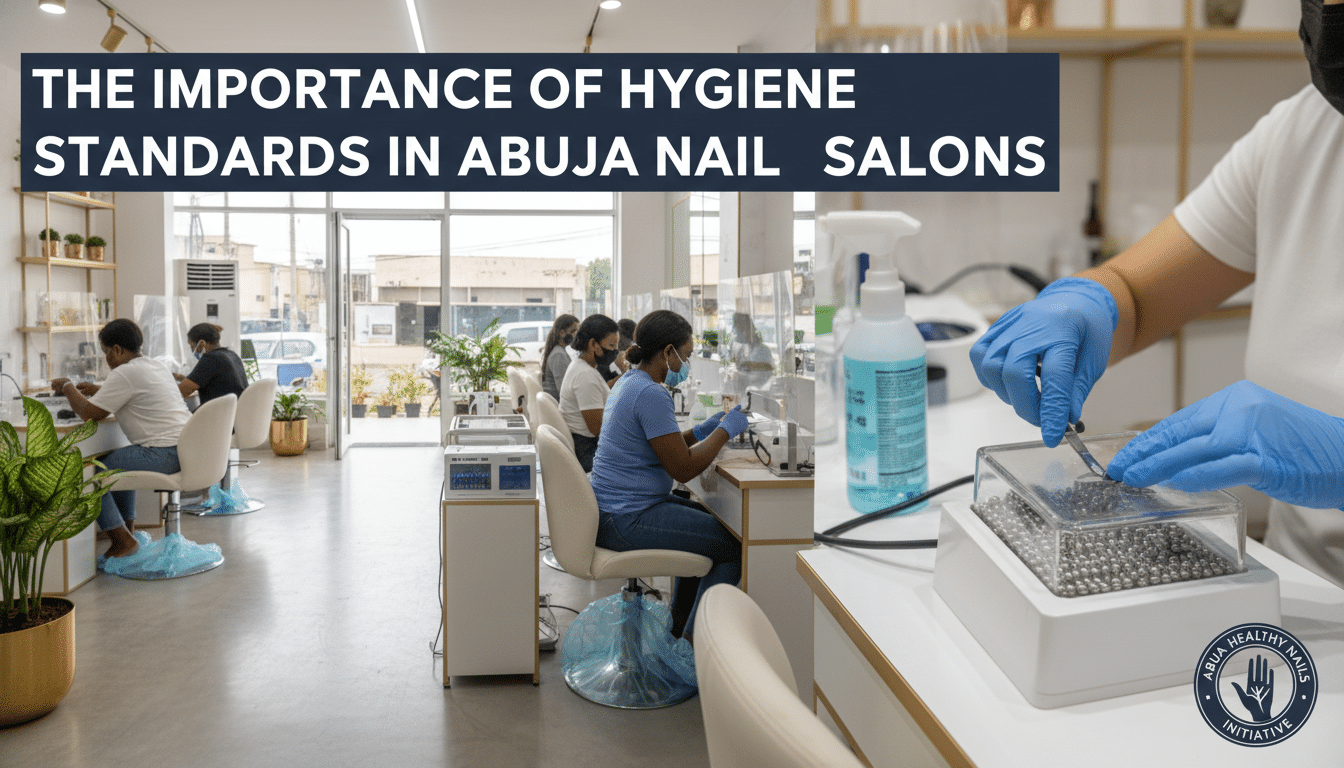
- Wearing Gloves: Disposable gloves should be worn during all nail services, especially those involving the potential for blood exposure. Gloves should be changed between clients and whenever they become torn or punctured.
- Avoiding Touching the Face: Technicians should avoid touching their face, hair, or clothing during services to prevent the transfer of microorganisms from these areas to the client.
- Maintaining Clean Work Attire: Clean uniforms or aprons should be worn daily, and any soiled clothing should be changed immediately.
-
Equipment Sterilization and Disinfection: The proper sterilization and disinfection of tools and equipment are crucial for preventing the transmission of infections.
- Sterilization: Sterilization eliminates all forms of microbial life, including bacteria, viruses, fungi, and spores. Autoclaves, which use high-pressure steam to sterilize instruments, are the gold standard for sterilization. Metal tools, such as nippers, pushers, and cuticle scissors, should be sterilized after each use.
- Disinfection: Disinfection reduces the number of microorganisms on a surface to a safe level. EPA-registered hospital-grade disinfectants should be used to disinfect non-porous surfaces like workstations, manicure tables, and pedicure chairs. Instruments that cannot be sterilized, such as emery boards and buffers, should be discarded after each use or given to the client for personal use.
- Proper Cleaning before Sterilization/Disinfection: Before sterilization or disinfection, all tools and surfaces must be thoroughly cleaned to remove visible debris and organic matter. This can be done with soap and water and a scrub brush. Organic matter can interfere with the effectiveness of sterilization and disinfection processes.
-
Surface Disinfection: All surfaces that come into contact with clients, including manicure tables, pedicure chairs, and countertops, should be disinfected between clients.
- EPA-Registered Disinfectants: Use only EPA-registered hospital-grade disinfectants specifically formulated for use in salons. Follow the manufacturer’s instructions for proper dilution and contact time.
- Contact Time: Allow the disinfectant to remain on the surface for the recommended contact time to effectively kill microorganisms. This information is usually provided on the disinfectant label.
- Cleaning and Disinfecting Foot Spas: Foot spas are particularly susceptible to harboring bacteria and fungi. They should be cleaned and disinfected after each use, following the manufacturer’s instructions. Additionally, they should be thoroughly cleaned and disinfected weekly, including the removal of any filters or jets.
-
Waste Management: Proper waste disposal is essential for preventing the spread of infection.
- Sharps Disposal: Sharp objects, such as used razor blades or lancets, should be disposed of in puncture-resistant sharps containers.
- Contaminated Waste: Contaminated waste, such as cotton balls or gauze pads with blood or bodily fluids, should be disposed of in biohazard bags.
- General Waste: General waste, such as used emery boards or buffers, should be disposed of in covered trash cans.
Upholding Ethical Standards and Building Trust
Beyond the immediate health risks, prioritizing hygiene standards reflects a commitment to ethical business practices and builds trust with clients. In a competitive market like Abuja, where numerous nail salons vie for customers, demonstrating a dedication to cleanliness and safety can be a significant differentiator.
- Transparency and Open Communication: Salons should be transparent about their hygiene practices and readily answer clients’ questions about sterilization and disinfection procedures. Displaying licenses and certifications related to hygiene and sanitation can further enhance trust.
- Client Education: Educating clients about the importance of hygiene and the potential risks associated with neglecting it empowers them to make informed decisions about their nail care.
- Positive Reputation: Word-of-mouth referrals are crucial for the success of any business, and a reputation for cleanliness and safety will undoubtedly attract more clients. Conversely, negative reviews and reports of infections can quickly damage a salon’s reputation.
- Employee Well-being: Prioritizing hygiene also protects the health and well-being of salon employees. Exposure to harmful chemicals and microorganisms can lead to occupational health problems, such as skin irritation, respiratory issues, and infections. A clean and safe working environment fosters employee morale and reduces absenteeism.
Government Regulations and Enforcement: Ensuring Compliance
While individual salons bear the primary responsibility for maintaining hygiene standards, government regulations and enforcement play a vital role in ensuring compliance and protecting public health.
- Licensing and Inspection: Government agencies should implement licensing requirements for nail salons and conduct regular inspections to ensure that they meet minimum hygiene standards. These inspections should cover areas such as equipment sterilization, surface disinfection, waste management, and employee hygiene.
- Training and Education: Government agencies can also play a role in providing training and education to nail salon technicians on proper hygiene practices. This can help to ensure that technicians have the knowledge and skills necessary to prevent the spread of infection.
- Enforcement and Penalties: Strong enforcement mechanisms, including fines and license suspensions, are necessary to deter non-compliance and hold salons accountable for neglecting hygiene standards.
- Public Awareness Campaigns: Public awareness campaigns can educate consumers about the importance of hygiene and empower them to demand safe and clean services from nail salons.
Challenges and Solutions: Addressing Obstacles to Hygiene Implementation
Despite the clear importance of hygiene, several challenges can hinder its effective implementation in Abuja nail salons.
- Lack of Awareness: Some salon owners and technicians may lack awareness of the potential health risks associated with poor hygiene or may not be fully informed about best practices. This can be addressed through targeted training programs and educational campaigns.
- Cost Concerns: Implementing stringent hygiene protocols can involve significant costs, including the purchase of autoclaves, disinfectants, and personal protective equipment. Some salon owners may be hesitant to invest in these measures, particularly those operating on tight budgets. Government subsidies or incentives could help alleviate these cost concerns.
- Inconsistent Supply Chains: Access to reliable and affordable supplies of disinfectants, sterilizers, and other hygiene products can be challenging in some areas. Government intervention to regulate the supply chain and ensure the availability of these essential items is crucial.
- Enforcement Challenges: Enforcing hygiene regulations can be difficult, particularly in areas with limited resources or weak regulatory oversight. Strengthening enforcement mechanisms and increasing the frequency of inspections are essential.
- Cultural Practices: Certain cultural practices or beliefs may conflict with modern hygiene standards. Addressing these issues requires sensitive and culturally appropriate communication and education.
Overcoming these challenges requires a collaborative effort involving government agencies, salon owners, technicians, and consumers. By working together, it is possible to create a culture of hygiene in Abuja nail salons and ensure the safety and well-being of everyone involved.
By prioritizing hygiene, Abuja nail salons can not only protect public health and build trust with clients but also contribute to the overall growth and sustainability of the beauty industry in the city. A commitment to cleanliness and safety is not just a business imperative; it is a moral obligation that benefits the entire community.