

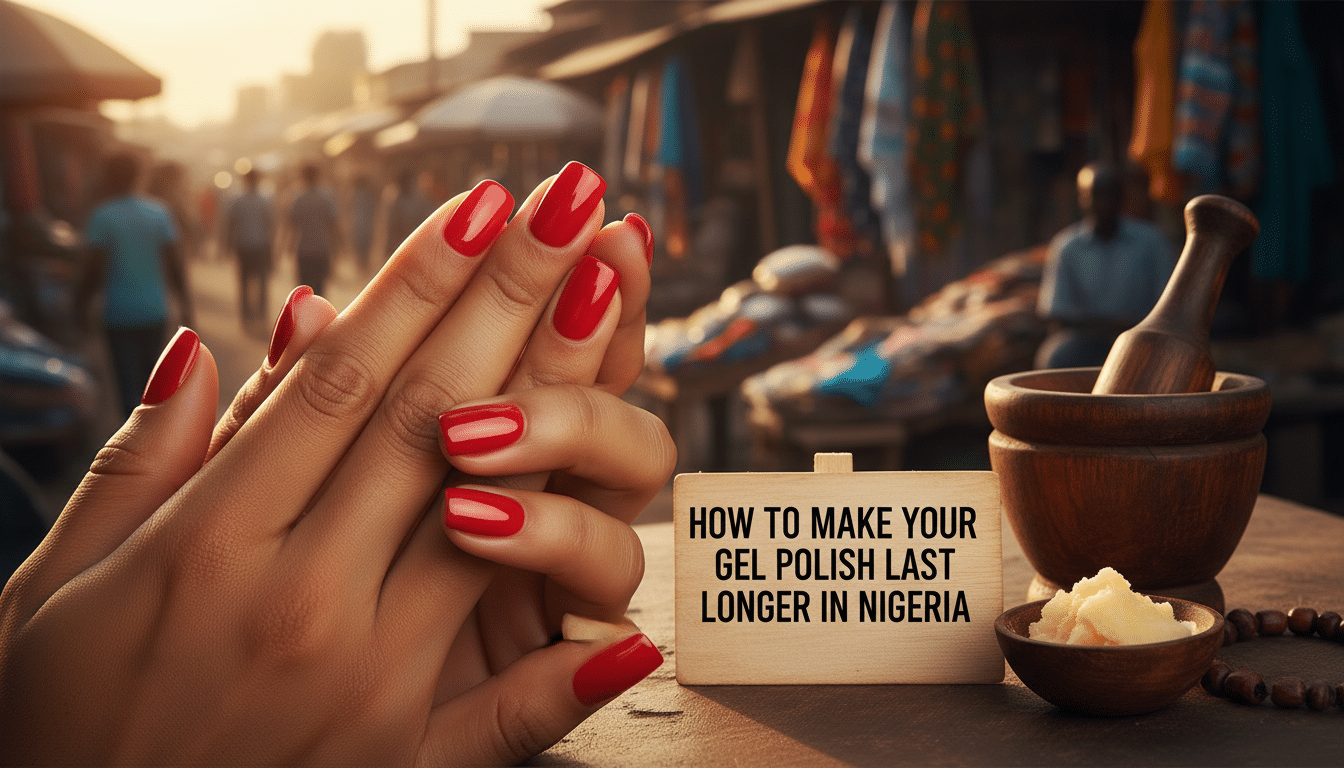
How to Make Your Gel Polish Last Longer in Nigeria: A Comprehensive Guide
Gel manicures are a game-changer for nail enthusiasts in Nigeria. The promise of chip-free, glossy nails for weeks is incredibly appealing, especially considering the demands of daily life, from navigating busy markets to attending social events. However, the humid climate, exposure to harsh cleaning agents, and even the specific products available in Nigeria can significantly impact the longevity of your gel manicure. This guide provides a comprehensive breakdown of how to maximize the life of your gel polish, ensuring you get the most value and beauty out of your investment.
I. Preparation is Paramount: Laying the Foundation for Long-Lasting Gel Nails
The secret to a long-lasting gel manicure doesn’t just lie in the application; it starts with meticulous preparation. Skipping steps or rushing through this phase will invariably lead to premature chipping and peeling, regardless of the quality of the gel polish used.
-
Sanitize, Sanitize, Sanitize: This cannot be stressed enough. Before touching your nails, thoroughly wash your hands with antibacterial soap and water. Sanitizing your hands and tools is crucial to prevent bacterial or fungal infections, which can undermine the adhesion of the gel polish. After washing, use a good quality hand sanitizer to further reduce the risk of contamination. Ensure all tools, including nail clippers, cuticle pushers, and files, are properly sanitized with isopropyl alcohol (at least 70% concentration).
-
Push Back and Properly Prep Cuticles: Healthy, well-maintained cuticles are essential for a smooth and lasting gel manicure. Neglecting them can lead to the polish lifting or peeling at the edges. Gently push back your cuticles using a cuticle pusher. Avoid cutting your cuticles unless you are a trained professional, as this can increase the risk of infection. After pushing back the cuticles, use a cuticle remover to soften and dissolve any dead skin around the nail plate. This will create a clean, even surface for the gel polish to adhere to. Be careful not to get cuticle remover on the nail plate itself, as this can interfere with adhesion.
-
Shape and File with Precision: The shape of your nails significantly affects the longevity of your gel manicure. Round or oval shapes tend to be more durable as they have fewer sharp edges that are prone to chipping. Use a fine-grit nail file to carefully shape your nails to your desired form. Filing should be done in one direction to prevent splitting or weakening of the nail. After shaping, gently buff the surface of your nails to create a slightly rough texture. This provides a better grip for the gel polish. Avoid over-buffing, as this can thin the nail plate and make it more susceptible to damage.
- Dehydrate and Cleanse Thoroughly: Natural oils and residue on your nail plate can prevent the gel polish from bonding properly. After buffing, use a lint-free wipe soaked in a nail dehydrator (also known as a nail primer) to remove any remaining oils and moisture. The dehydrator temporarily dries out the nail plate, creating an ideal surface for adhesion. Follow the dehydrator with a nail cleanser (usually containing isopropyl alcohol) to further ensure a clean and oil-free nail surface. Make sure the nail cleanser is completely dry before proceeding to the base coat application. This step is often overlooked, but it is critical for long-lasting results, particularly in Nigeria’s humid climate.
II. Product Selection: Choosing the Right Weapons in Your Arsenal
The quality of your gel polish and related products plays a pivotal role in the lifespan of your manicure. Investing in reputable brands and understanding the specific requirements of each product is crucial.
-
Base Coat: The Foundation of Your Manicure: The base coat is the foundation upon which your entire gel manicure rests. It creates a bond between your natural nail and the gel polish, protecting your nail from staining and preventing peeling. Choose a base coat that is specifically designed for gel polish. Some base coats are formulated to address specific nail concerns, such as thin or brittle nails. Look for a base coat that offers good adhesion and flexibility.
-
Gel Polish: Invest in Quality and Compatibility: Not all gel polishes are created equal. Cheaper, lower-quality gel polishes often contain inferior ingredients that can lead to chipping, peeling, and fading. Invest in reputable brands known for their durability and color pigmentation. It’s also essential to ensure that all the products you are using – base coat, gel polish, and top coat – are compatible. Ideally, stick to one brand to minimize the risk of incompatibility issues, which can lead to poor adhesion and premature chipping.
-
Top Coat: The Protector and Glosser: The top coat is the final layer of your gel manicure, providing a protective barrier against scratches, chips, and fading. It also adds shine and enhances the overall appearance of your nails. Choose a top coat that is durable and scratch-resistant. Some top coats offer a high-gloss finish, while others provide a matte look. Select a top coat that suits your personal preference and lifestyle.
- UV/LED Lamp: The Key to Proper Curing: The UV/LED lamp is essential for curing the gel polish, hardening it and creating a durable finish. Choose a lamp that is specifically designed for gel polish. Make sure the lamp has the correct wavelength and wattage to properly cure the products you are using. Inadequate curing can lead to soft, sticky gel polish that is prone to chipping and peeling. Replace the bulbs in your lamp regularly to ensure optimal performance. Different lamps cure at different rates, so carefully follow the instructions on your gel polish for the recommended curing time. Consider investing in a higher quality lamp with consistent light distribution to ensure even curing across the nail.
III. Application Techniques: Mastering the Art of Gel Polish Application
Even with the best products, improper application can sabotage your gel manicure. Mastering the techniques is essential for achieving a long-lasting and flawless finish.
-
Thin and Even Coats: Less is More: Avoid applying thick coats of gel polish. Thick coats are difficult to cure properly and are more prone to chipping and peeling. Instead, apply thin, even coats, allowing each coat to cure completely before applying the next. Two to three thin coats of color will provide better coverage and durability than one thick coat.
-
Cap the Free Edge: Seal the Deal: Capping the free edge of your nails with each coat of gel polish is crucial for preventing chipping and lifting. This involves running the brush along the very edge of your nail to seal it and prevent moisture from getting underneath the polish. This simple step can significantly extend the life of your manicure.
-
Avoid Skin Contact: Keep it Clean: Prevent the gel polish from touching your skin or cuticles. If the polish comes into contact with your skin, it can lift and peel, taking the polish with it. Use a small brush or a toothpick dipped in acetone to carefully clean up any mistakes before curing. Leaving gel polish on the skin can also lead to allergic reactions in some individuals.
-
Proper Curing Time: Follow the Instructions: Each gel polish has a specific curing time recommended by the manufacturer. Follow these instructions carefully to ensure proper curing. Under-curing can result in soft, sticky polish that is prone to chipping, while over-curing can make the polish brittle and susceptible to cracking.
- Check for Wrinkles and Imperfections: Before curing each coat, carefully inspect your nails for any wrinkles, bubbles, or imperfections. If you notice any, smooth them out with a clean brush or a toothpick before curing. Once the polish is cured, it will be difficult to correct any flaws.
IV. Maintenance and Aftercare: Protecting Your Investment
After the application is complete, proper maintenance and aftercare are essential for extending the life of your gel manicure.
-
Wear Gloves: Shield Your Nails: Protect your nails from harsh chemicals and excessive moisture by wearing gloves when doing household chores, gardening, or washing dishes. Prolonged exposure to water and cleaning agents can weaken the gel polish and cause it to lift or peel.
-
Avoid Picking and Peeling: Resist the Temptation: Picking and peeling at your gel polish is the quickest way to ruin your manicure. This can damage your natural nails and leave them weak and brittle. If you notice any lifting or chipping, resist the urge to pick at it. Instead, gently file down the edge to prevent it from catching on anything or consult with a professional for repair.
-
Hydrate and Nourish: Keep Your Nails Healthy: Keep your nails and cuticles hydrated by applying cuticle oil regularly. This will help to prevent the nails from becoming dry and brittle, which can lead to cracking and chipping. Use a nourishing hand cream to keep your hands moisturized and protected.
-
Sunscreen Protection: Believe it or not, exposure to strong sunlight can sometimes affect the color and integrity of certain gel polish shades. If you plan on spending extended periods in the sun, consider applying a sunscreen with a high SPF to your hands to protect your manicure.
-
Professional Removal: The Gentle Approach: When it’s time to remove your gel polish, avoid picking or peeling it off. This can severely damage your natural nails. The safest and most effective way to remove gel polish is to soak your nails in acetone for the recommended time and then gently scrape off the softened polish. It is best to have this done by a professional to avoid damaging your nail plates. Improper removal can leave your nails weak, thin, and prone to breakage.
- Take Breaks: Give Your Nails a Rest: Frequent and continuous gel manicures can weaken your natural nails over time. Give your nails a break between manicures to allow them to recover and strengthen. During this time, focus on nourishing your nails with cuticle oil and strengthening treatments.
By following these guidelines, you can significantly extend the life of your gel manicure and enjoy beautiful, chip-free nails for weeks, even in the challenging environment of Nigeria. Remember that consistency is key, and a little extra care goes a long way in preserving the health and beauty of your nails.