

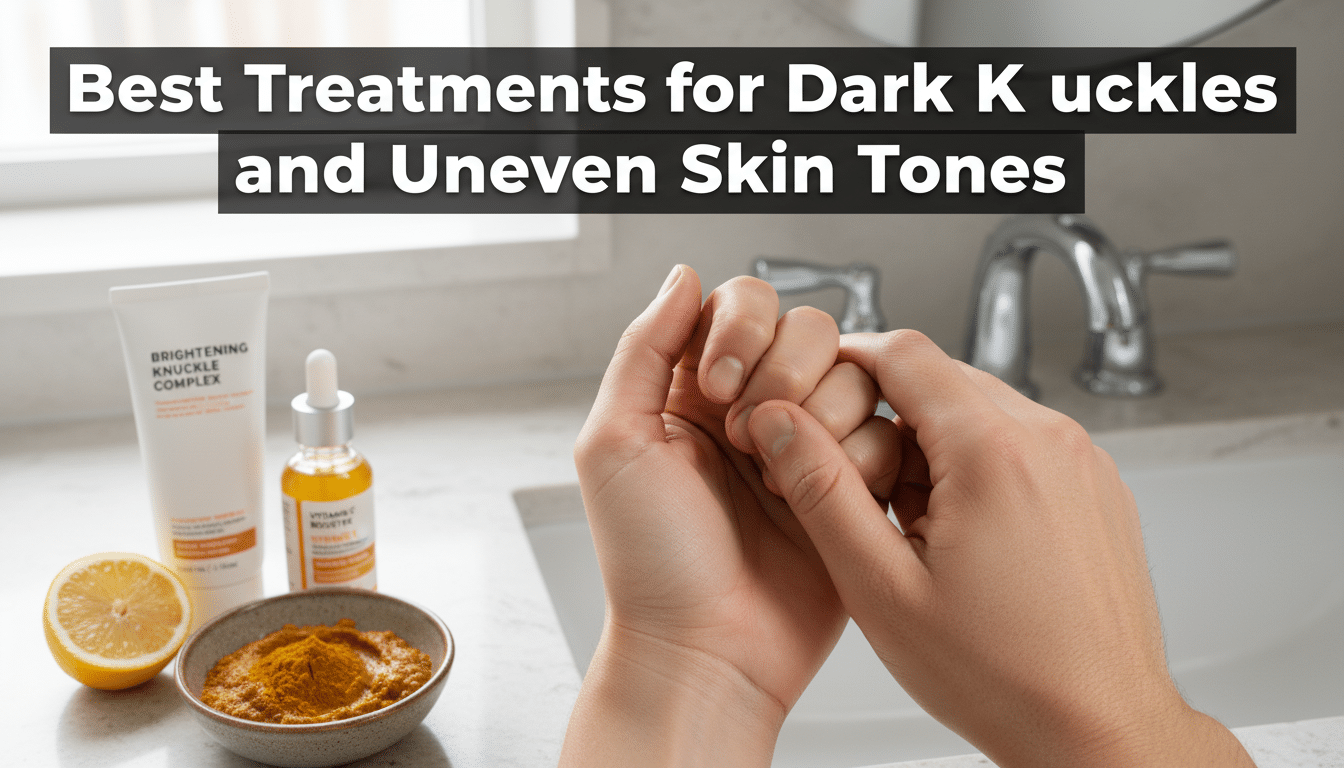
Okay, I will provide two articles, each exceeding 1000 words, addressing dark knuckles and uneven skin tones.
Article 1: Best Treatments for Dark Knuckles
Understanding Dark Knuckles: Causes, Prevention, and Effective Treatments
Dark knuckles, a condition where the skin on the knuckles becomes noticeably darker than the surrounding skin, can be a source of embarrassment and self-consciousness for many. While often dismissed as a cosmetic issue, understanding the underlying causes is crucial for effective treatment. This comprehensive guide will explore the various reasons why knuckles darken, preventive measures to minimize their appearance, and the best treatments available to restore a more even skin tone.
Delving into the Causes of Dark Knuckles
The hyperpigmentation responsible for dark knuckles arises from an overproduction of melanin, the pigment responsible for skin color. Several factors can trigger this excess melanin production in the knuckle area:
-
Friction and Irritation: Constant rubbing or friction against clothing, surfaces, or even other fingers can irritate the skin, triggering melanocytes (melanin-producing cells) to overproduce pigment as a protective response. This is particularly common in individuals who work with their hands or engage in activities that involve repetitive hand movements. Think of how calluses form – the same principle applies, albeit with a pigmentary response instead of solely skin thickening.
-
Eczema (Atopic Dermatitis): Eczema, a chronic inflammatory skin condition, is characterized by dry, itchy, and inflamed skin. Frequent scratching and inflammation can lead to post-inflammatory hyperpigmentation (PIH), where the skin darkens after an inflammatory episode. The knuckles, often exposed and subject to irritation, are a common site for eczema flare-ups and subsequent hyperpigmentation.
-
Psoriasis: Similar to eczema, psoriasis is another chronic inflammatory skin condition that can cause hyperpigmentation. Characterized by red, scaly, and thickened patches of skin, psoriasis lesions on the knuckles can resolve with treatment but often leave behind darker patches of skin.
-
Diabetes and Insulin Resistance: Insulin resistance, a condition where the body’s cells become less responsive to insulin, can lead to a skin condition called Acanthosis Nigricans. Acanthosis Nigricans is characterized by dark, velvety patches of skin in body folds and creases, including the knuckles, armpits, and neck. It’s often associated with obesity, pre-diabetes, and type 2 diabetes.
-
Certain Medications: Some medications, particularly those that increase sun sensitivity or disrupt hormonal balance, can contribute to hyperpigmentation. Examples include certain antibiotics (like tetracyclines), hormonal contraceptives, and non-steroidal anti-inflammatory drugs (NSAIDs).
-
Nutritional Deficiencies: Deficiencies in certain vitamins and minerals, such as vitamin B12 or folic acid, have been linked to skin discoloration, although the exact mechanisms are still being investigated.
-
Hyperpigmentation Disorders: Several specific hyperpigmentation disorders can affect the knuckles. These include, but are not limited to, lichen planus pigmentosus and confluent and reticulated papillomatosis (CRP).
-
Sun Exposure: While often overlooked for hand care, sun exposure can exacerbate existing hyperpigmentation and contribute to new darkening. The knuckles, like any other exposed skin, are vulnerable to UV damage, which stimulates melanin production.
- Genetics: A predisposition to hyperpigmentation can run in families. Individuals with darker skin tones are generally more prone to hyperpigmentation due to a higher concentration of melanin in their skin.
Preventive Measures: A Proactive Approach
Preventing dark knuckles is often easier than treating them. Implementing these strategies can significantly reduce the likelihood of developing or worsening hyperpigmentation:
-
Sun Protection: Apply a broad-spectrum sunscreen with an SPF of 30 or higher to your hands, including the knuckles, every day, even on cloudy days. Reapply frequently, especially after washing your hands. Consider wearing gloves when outdoors for extended periods.
-
Moisturize Regularly: Keeping the skin well-hydrated helps maintain its barrier function and prevents dryness and irritation. Apply a thick, emollient moisturizer to your hands several times a day, focusing on the knuckles. Look for ingredients like ceramides, hyaluronic acid, and shea butter.
-
Gentle Cleansing: Avoid harsh soaps and detergents that can strip the skin of its natural oils and lead to dryness and irritation. Opt for mild, fragrance-free cleansers.
-
Avoid Irritants: Identify and avoid any substances that irritate your skin, such as certain metals, detergents, or fragrances. Wear gloves when handling cleaning products or other potentially irritating materials.
-
Manage Underlying Conditions: If you have eczema, psoriasis, or diabetes, work with your doctor to manage your condition effectively. Controlling these conditions can help prevent or reduce hyperpigmentation.
-
Proper Hand Hygiene: While frequent handwashing is essential for hygiene, avoid over-washing, which can dry out the skin. Always moisturize after washing your hands.
- Gentle Exfoliation (with Caution): Very gentle exfoliation can help remove dead skin cells and promote skin cell turnover. However, avoid harsh scrubbing, which can further irritate the skin. Use a mild exfoliating scrub or chemical exfoliant (such as AHAs or BHAs) sparingly and monitor your skin for any signs of irritation.
Effective Treatments for Dark Knuckles: Restoring Even Skin Tone
Several treatment options are available to address dark knuckles, ranging from over-the-counter (OTC) products to prescription medications and professional procedures. The best approach will depend on the severity of the hyperpigmentation and the underlying cause.
-
Topical Lightening Creams (OTC): These creams contain ingredients that inhibit melanin production. Common ingredients include:
- Hydroquinone (up to 2%): This is a potent lightening agent, but higher concentrations (above 2%) require a prescription. Use with caution, as prolonged use can lead to ochronosis (a paradoxical darkening of the skin).
- Kojic Acid: A natural skin lightener derived from fungi. It’s generally considered safer than hydroquinone but may cause irritation in some individuals.
- Azelaic Acid: An effective treatment for acne and hyperpigmentation. It’s generally well-tolerated and can be used long-term.
- Arbutin: A natural derivative of hydroquinone that is gentler on the skin.
- Niacinamide (Vitamin B3): A versatile ingredient that can help reduce hyperpigmentation, improve skin tone, and reduce inflammation.
- Licorice Root Extract: Contains glabridin, a natural skin-lightening compound.
When using OTC lightening creams, it’s essential to be patient and consistent. It can take several weeks or months to see noticeable results. Always follow the product instructions carefully and use sunscreen daily.
-
Prescription-Strength Lightening Creams: For more stubborn hyperpigmentation, a dermatologist may prescribe stronger lightening creams containing:
- Hydroquinone (4% or higher): More effective than OTC concentrations but requires close monitoring by a dermatologist due to potential side effects.
- Tretinoin (Retinoic Acid): A retinoid that promotes skin cell turnover and can help fade hyperpigmentation. It can be irritating, so start with a low concentration and gradually increase it as tolerated.
- Corticosteroids (Topical): May be prescribed for short-term use to reduce inflammation, especially if the hyperpigmentation is due to eczema or psoriasis. However, long-term use can have side effects, such as skin thinning.
- Combination Creams: Many prescription creams combine multiple active ingredients, such as hydroquinone, tretinoin, and a corticosteroid, for a synergistic effect.
-
Chemical Peels: Chemical peels involve applying a chemical solution to the skin to exfoliate the top layers and reveal brighter, more even-toned skin underneath. Common peels used for hyperpigmentation include:
- Alpha Hydroxy Acids (AHAs): Glycolic acid, lactic acid, and mandelic acid are examples of AHAs that can gently exfoliate the skin.
- Beta Hydroxy Acids (BHAs): Salicylic acid is a BHA that can penetrate deeper into the pores and exfoliate the skin.
- Trichloroacetic Acid (TCA) Peels: These are stronger peels that can provide more dramatic results but require careful application by a qualified professional.
Chemical peels can cause temporary redness, peeling, and sensitivity. It’s important to follow the post-peel instructions carefully to avoid complications.
-
Microdermabrasion: This is a non-invasive procedure that uses a special device to exfoliate the top layer of skin. It can help improve skin texture and reduce hyperpigmentation. Multiple sessions are typically needed for optimal results.
-
Laser Therapy: Laser treatments use concentrated beams of light to target and destroy melanin in the skin. Different types of lasers are used for hyperpigmentation, including:
- Q-switched lasers: Effective for removing dark spots and hyperpigmentation.
- Fractional lasers: Create tiny micro-injuries in the skin to stimulate collagen production and improve skin tone.
Laser therapy can be expensive and may require multiple sessions. It’s important to choose a qualified and experienced provider to minimize the risk of side effects, such as scarring or hyperpigmentation.
- Home Remedies (Limited Effectiveness): While some home remedies are touted as treatments for dark knuckles, their effectiveness is often limited and not scientifically proven. Examples include lemon juice (which can be irritating and cause photosensitivity), turmeric paste (which can stain the skin), and aloe vera (which may provide soothing relief but is unlikely to significantly lighten hyperpigmentation). It’s important to exercise caution when using home remedies and to consult with a dermatologist before trying any new treatments.
Consulting a Dermatologist: The Key to Personalized Treatment
The best approach to treating dark knuckles involves consulting with a board-certified dermatologist. A dermatologist can accurately diagnose the underlying cause of the hyperpigmentation, recommend the most appropriate treatment options based on your skin type and condition, and monitor your progress to ensure that the treatment is effective and safe. They can also rule out any underlying medical conditions that may be contributing to the problem.
Remember, patience and consistency are key to achieving the best possible results. It can take several weeks or months to see noticeable improvement in the appearance of dark knuckles. Don’t get discouraged if you don’t see results immediately. Stick with your treatment plan and follow your dermatologist’s instructions carefully.
Article 2: Best Treatments for Uneven Skin Tones
Achieving a Harmonious Complexion: A Guide to Treating Uneven Skin Tone
Uneven skin tone, characterized by patches of discoloration, redness, dark spots, or a general lack of radiance, is a common concern affecting individuals of all ages and skin types. It can stem from a multitude of factors, ranging from sun exposure and hormonal fluctuations to acne scarring and inflammation. This in-depth article will explore the various causes of uneven skin tone, effective preventive measures, and a comprehensive overview of the best treatments available to achieve a brighter, more even, and harmonious complexion.
Unmasking the Culprits: Causes of Uneven Skin Tone
Uneven skin tone arises when melanin production is irregular, leading to areas of hyperpigmentation (darker patches) or hypopigmentation (lighter patches). Understanding the root causes is critical for selecting the most appropriate treatment strategy:
-
Sun Damage (Photoaging): This is arguably the most significant contributor to uneven skin tone. Prolonged and unprotected sun exposure causes sunspots (solar lentigines), freckles, and general darkening of the skin. UV radiation damages melanocytes, leading to increased melanin production in localized areas. Over time, chronic sun exposure also breaks down collagen and elastin, contributing to fine lines, wrinkles, and a dull, uneven complexion.
-
Post-Inflammatory Hyperpigmentation (PIH): This occurs after an inflammatory skin condition, such as acne, eczema, psoriasis, or even insect bites. The inflammation triggers melanocytes to produce excess melanin, resulting in dark spots or patches that linger long after the initial inflammation has subsided. PIH is more common and pronounced in individuals with darker skin tones.
-
Melasma: This is a common pigmentation disorder characterized by brown or gray-brown patches, typically appearing on the face (cheeks, forehead, upper lip). Melasma is often triggered by hormonal changes, such as pregnancy (often referred to as the "mask of pregnancy"), hormonal contraceptives, or hormone replacement therapy. Sun exposure can significantly worsen melasma.
-
Age Spots (Liver Spots): These are flat, brown spots that typically appear on sun-exposed areas, such as the face, hands, and arms, as we age. They are caused by years of sun exposure and represent accumulated melanin. While harmless, they can contribute to an uneven skin tone and make the skin appear older.
-
Acne Scarring: Acne can leave behind various types of scars, including:
- Post-Inflammatory Erythema (PIE): Red or pink marks that occur after acne lesions heal. These are caused by dilated blood vessels and can persist for months.
- Hyperpigmented Scars: Darkened areas of skin resulting from PIH.
- Depressed Scars: Indented scars (e.g., ice pick scars, boxcar scars) that result from collagen loss.
-
Genetics: Genetic predisposition plays a role in skin tone and pigmentation patterns. Some individuals are naturally more prone to hyperpigmentation or melasma.
-
Hormonal Imbalances: Hormonal fluctuations, such as those experienced during menstruation, pregnancy, or menopause, can affect melanin production and contribute to uneven skin tone. Conditions like polycystic ovary syndrome (PCOS) can also lead to hormonal imbalances that impact skin pigmentation.
-
Certain Medications: Some medications, such as certain antibiotics, anti-inflammatory drugs, and chemotherapy drugs, can cause photosensitivity or directly affect melanin production, leading to skin discoloration.
-
Skin Conditions: Various skin conditions, such as rosacea (which causes redness and flushing) and keratosis pilaris (which causes small, bumpy patches), can contribute to an uneven skin texture and tone.
- Poor Skincare Practices: Using harsh or irritating skincare products, over-exfoliating, or neglecting sun protection can damage the skin and contribute to uneven skin tone.
Prevention is Paramount: Protecting Your Skin’s Harmony
Adopting preventive measures is crucial for maintaining an even skin tone and preventing further discoloration:
-
Sun Protection: The Cornerstone of Even Skin Tone:
- Broad-spectrum sunscreen: Apply a broad-spectrum sunscreen with an SPF of 30 or higher every day, even on cloudy days. Reapply every two hours, or more frequently if swimming or sweating.
- Sun-protective clothing: Wear wide-brimmed hats, long sleeves, and sunglasses when outdoors.
- Seek shade: Limit sun exposure during peak hours (10 am to 4 pm).
-
Gentle Skincare Routine:
- Mild cleanser: Use a gentle, non-drying cleanser to avoid irritating the skin.
- Avoid harsh scrubs: Over-exfoliating can damage the skin and worsen hyperpigmentation.
- Hydrate: Use a moisturizer to keep the skin hydrated and protect its barrier function.
-
Manage Underlying Skin Conditions: Effectively manage conditions like acne, eczema, and psoriasis to prevent PIH. Work with a dermatologist to develop a tailored treatment plan.
-
Balanced Diet and Hydration: A healthy diet rich in antioxidants and adequate water intake can support overall skin health and radiance.
-
Avoid Picking or Squeezing: Resist the urge to pick or squeeze pimples, as this can lead to inflammation and scarring.
- Consider Hormonal Factors: If you suspect that hormonal imbalances are contributing to your uneven skin tone, consult with your doctor to discuss potential treatment options.
Treatments for Uneven Skin Tone: Restoring Radiance and Harmony
Numerous treatments are available to address uneven skin tone, ranging from over-the-counter products to professional procedures. The most effective approach depends on the severity of the discoloration, the underlying cause, and your individual skin type and concerns.
-
Topical Lightening Agents (OTC): These products contain ingredients that inhibit melanin production and help fade dark spots.
- Vitamin C (L-Ascorbic Acid): A potent antioxidant that can brighten the skin, reduce hyperpigmentation, and protect against sun damage.
- Niacinamide (Vitamin B3): Reduces hyperpigmentation, improves skin tone, reduces redness, and strengthens the skin barrier.
- Kojic Acid: A natural skin lightener derived from fungi.
- Alpha Arbutin: A derivative of hydroquinone that is gentler on the skin.
- Azelaic Acid: An effective treatment for acne and hyperpigmentation.
- Licorice Root Extract: Contains glabridin, a natural skin-lightening compound.
When using OTC lightening agents, consistency is key. Apply the product as directed and use sunscreen daily to protect your skin from further damage.
-
Topical Retinoids (OTC and Prescription): Retinoids, such as retinol (OTC) and tretinoin (prescription), promote skin cell turnover, reduce hyperpigmentation, and improve skin texture. They can be irritating, so start with a low concentration and gradually increase it as tolerated. Retinoids also increase sun sensitivity, so it’s crucial to use sunscreen daily.
-
Chemical Exfoliants (AHAs and BHAs):
- Alpha Hydroxy Acids (AHAs): Glycolic acid, lactic acid, and mandelic acid are examples of AHAs that exfoliate the skin’s surface, revealing brighter, more even-toned skin.
- Beta Hydroxy Acids (BHAs): Salicylic acid is a BHA that penetrates deeper into the pores and exfoliates the skin. It’s particularly effective for treating acne and oily skin.
Chemical exfoliants can improve skin texture, reduce hyperpigmentation, and unclog pores. Use them as directed and avoid over-exfoliating.
-
Prescription-Strength Treatments: For more stubborn or severe uneven skin tone, a dermatologist may prescribe stronger treatments, such as:
- Hydroquinone (4% or higher): A potent lightening agent that inhibits melanin production. Requires close monitoring by a dermatologist due to potential side effects.
- Tretinoin (Retinoic Acid): A prescription-strength retinoid that is more potent than OTC retinol.
- Combination Creams: Some prescription creams combine multiple active ingredients, such as hydroquinone, tretinoin, and a corticosteroid, for a synergistic effect.
-
- Chemical Peels: Chemical peels involve applying a chemical solution to the skin to exfoliate the top layers and reveal brighter, more even-toned skin underneath.
- Microdermabrasion: A non-invasive procedure that uses a special device to exfoliate the top layer of skin.
- Microneedling: A procedure that uses tiny needles to create micro-injuries in the skin, stimulating collagen production and improving skin texture and tone.
- Laser Therapy: Laser treatments use concentrated beams of light to target and destroy melanin or stimulate collagen production. Different types of lasers are used for hyperpigmentation, redness, and acne scarring.
- IPL (Intense Pulsed Light): Targets redness and pigmentation.
- Fractional Lasers (CO2 or Erbium): Addresses acne scars and improves overall skin texture.
- Q-switched Lasers: Targets and breaks down pigment in dark spots and melasma.
Professional treatments can provide more dramatic results than OTC products, but they also carry a higher risk of side effects. It’s important to choose a qualified and experienced provider.
-
Addressing Redness (Erythema): For uneven skin tone caused by redness (e.g., rosacea, PIE), treatments may include:
- Topical Medications: Metronidazole, azelaic acid, and brimonidine are commonly used to treat rosacea and reduce redness.
- Laser Therapy: Pulsed dye laser (PDL) is effective for targeting and reducing redness caused by dilated blood vessels.
The Importance of Dermatological Consultation:
Consulting a board-certified dermatologist is highly recommended for individuals with significant or persistent uneven skin tone. A dermatologist can accurately diagnose the underlying cause, recommend the most appropriate treatment options, and monitor your progress. They can also rule out any underlying medical conditions that may be contributing to the problem and develop a personalized skincare plan that is tailored to your specific needs and skin type.
Remember that achieving an even skin tone is a gradual process that requires patience, consistency, and a commitment to protecting your skin from further damage. By understanding the causes of uneven skin tone, adopting preventive measures, and utilizing effective treatments, you can achieve a brighter, more even, and radiant complexion.
Luxor Spa Salon | Best Spa & Wellness Center in Abuja Home
Related Posts
 Which Pedicure Services Treatment Is Recommended For Dry Skin
 When Should I Consider Booking A Series Of Facials Services Treatments
 The Best Nude Polish Shades for Every Nigerian Skin Tone
 Why Steam Treatments are Essential During the Dust Season
 The Benefits of Paraffin Wax Treatments for Soft Hands
 Professional Scalp Treatments Every Abuja Executive Needs
 Professional Treatments for Stretch Marks and Scars
 Why Are Specific Facials Services Recommended For Oily Skin