

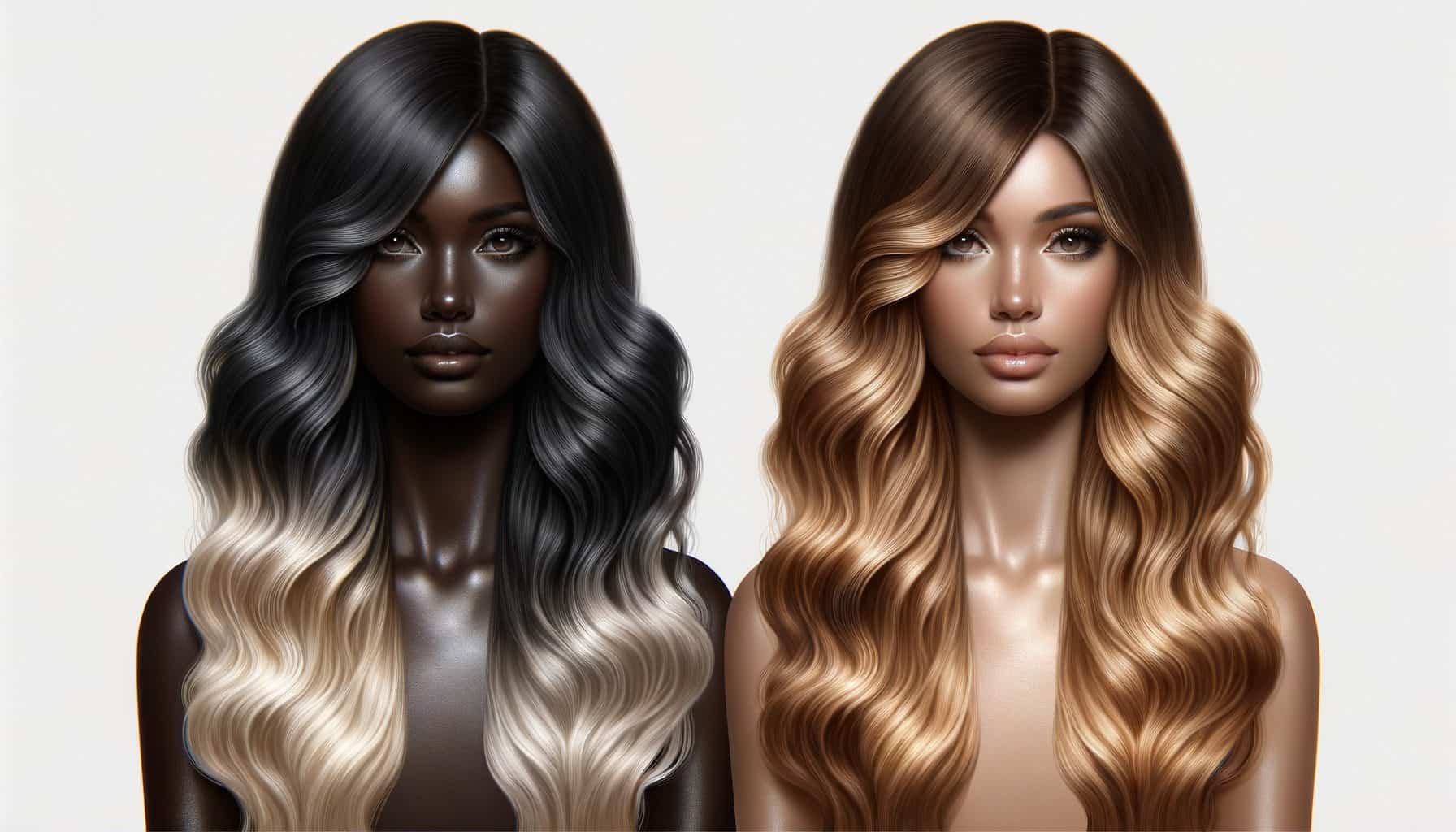
When it comes to hair color techniques, two terms that often get thrown around are "balayage" and "ombre." While they both offer stunning results and can add depth and dimension to your hair, they differ significantly in technique and overall effect. If you’re considering a change, understanding these two popular styles can help you make an informed decision.
What is Balayage?
Balayage is a French word meaning "to sweep." This technique involves the stylist hand-painting highlights onto the hair, creating a natural, sun-kissed effect. The color is typically lighter than the base shade and applied in a way that produces soft transitions and a multidimensional look.
Characteristics of Balayage:
- Natural Look: Balayage aims for a more seamless and gradual change from the base color to the highlights.
- Customization: Each balayage application is personalized, depending on the client’s hair type, base color, and desired effect.
- Low Maintenance: Because the highlights are placed in a way that complements the natural growth of your hair, balayage generally requires less frequent touch-ups compared to traditional highlights. This makes it an excellent option for those who prefer a more effortless look.
What is Ombre?
Ombre, on the other hand, is a technique characterized by a stark color gradient that transitions from dark to light. Unlike balayage, where the highlights are blended into the hair, ombre features a more dramatic contrast between the root and the tips.
Characteristics of Ombre:
- Bold Contrast: Ombre is known for its distinct gradient effect, where the roots are significantly darker, fading into much lighter ends.
- Consistency: The ombre technique usually involves a more uniform color application, creating a solid spectrum rather than a varied highlight look.
- Higher Maintenance: Because ombre often involves a more significant color change, maintenance may be required more frequently to keep the color looking fresh and vibrant.
Factors to Consider When Choosing Between Balayage and Ombre
1. Hair Type and Length
- Balayage works well with various hair types and lengths but shines particularly on medium to long hair. The hand-painted method allows the stylist to accentuate layers and texture.
- Ombre can also be applied to all hair types but tends to look best on longer lengths, where the gradient effect can be fully appreciated.
2. Desired Look
- If you’re after a natural, effortless style that looks like you’ve spent a day in the sun, balayage is your best bet.
- For those who enjoy making a statement and want a bold, modern look with a dramatic flair, ombre will likely suit you better.
3. Maintenance Level
- Balayage is generally more low-maintenance, making it ideal for those who prefer a carefree approach to hair color. Expect to refresh it every 6-12 months.
- Ombre may require touch-ups more often, especially if you want to maintain a vibrant look. Expect to visit the salon every 8-10 weeks.
4. Skin Tone Considerations
- For both techniques, the choice of colors should complement your skin tone. Balayage can seamlessly blend warm or cool tones, while ombre generally has a more striking contrast that may require careful color selection for a flattering effect.
5. Season and Occasion
- Your hair color can also reflect the season or occasion. Balayage tends to give off a light, summery vibe, while ombre can suit both casual and formal settings, adding a touch of drama.
Conclusion
Both balayage and ombre offer their unique advantages and aesthetic appeal, and the choice ultimately depends on your personal style, maintenance preferences, and hair type. Consulting with a professional colorist can further assist you in determining which technique aligns best with your look. Whichever you choose, rest assured that both techniques will provide exciting and dynamic results. Happy coloring!


