
How to Maximize the Benefits of Your Next Hydrating Facial Services
Hydrating facials are a luxurious and effective way to boost the skin’s moisture levels, rejuvenate its appearance, and provide a range of other skin benefits. However, to truly maximize the benefits of these treatments, it’s essential to approach the experience holistically. From choosing the right skincare provider to post-facial care, here’s a comprehensive guide to ensure you get the most out of your hydrating facial.
Understanding Hydrating Facials
A hydrating facial is designed to replenish moisture in the skin, making it a perfect treatment for individuals with dry or dehydrated skin. Different techniques and products are used, including:
- Cleansing: Removal of impurities and makeup to prepare the skin.
- Exfoliation: Using physical or chemical methods to slough away dead skin cells, enabling better absorption of hydrating ingredients.
- Hydration: Application of serums, masks, and moisturizers rich in hydrating ingredients, such as hyaluronic acid, glycerin, and botanical extracts.
Many hydrating facials also incorporate various techniques, such as massage, steaming, and masks, contributing to relaxation and enhanced absorption of products.
Choosing the Right Provider
Not all facials are created equal, and the skill of the aesthetician can make a significant difference in your experience and results. When selecting a provider, consider the following:
-
Research and Reviews: Look for licensed and reputable skincare professionals. Online reviews, testimonials, and before-and-after photos can provide insight into the quality of service.
-
Consultation: Before booking, schedule a consultation. This allows you to discuss your skin concerns and preferences, ensuring the treatment is tailored to your needs.
-
Expertise: Inquire about the aesthetician’s training and experience with hydrating facials. They should be well-versed in different techniques and products.
- Product Knowledge: It’s beneficial if your aesthetician can explain the ingredients used in your treatment and their specific effects on the skin.
Pre-Facial Preparation
Preparing your skin in advance can greatly enhance the effectiveness of your hydrating facial. Here are a few tips to consider:
-
Stay Hydrated: In the days leading up to your facial, drink plenty of water to help hydrate your skin from the inside out.
-
Avoid Harsh Treatments: Steer clear of harsh chemical peels, microdermabrasion, or other intensive treatments at least a week before your facial. This will allow your skin to calm down and reduce any potential irritation.
-
Hospitality Products: If you use prescription skincare products, consult with your dermatologist or aesthetician about whether to continue using them before your facial.
- Sun Protection: Avoid excessive sun exposure or tanning beds before your treatment, as this can lead to sunburn or sensitivity.
What to Expect During the Facial
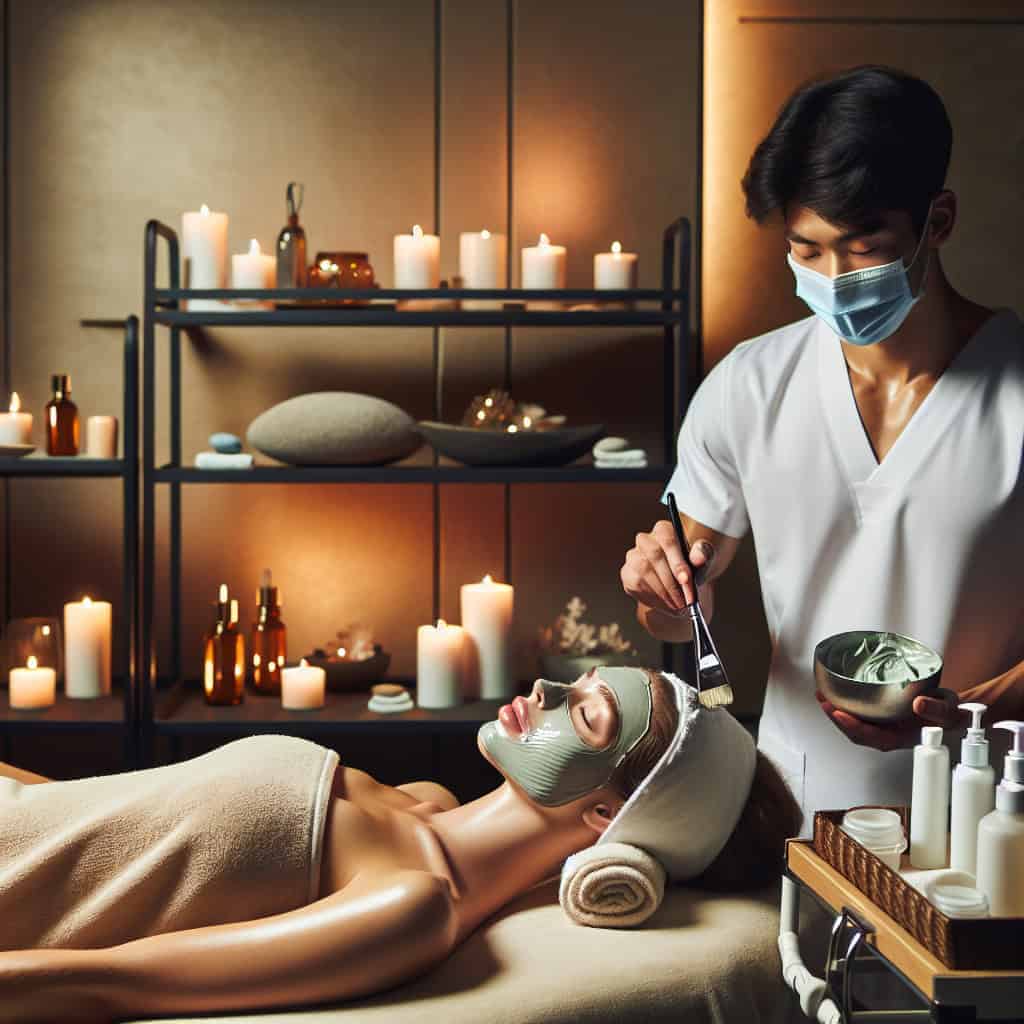
Understanding the components of your hydrating facial can help you relax and fully enjoy the experience. Here’s what usually happens:
-
Consultation: Your aesthetician will review your skin type and concerns, tailoring the treatment accordingly.
-
Cleansing: A thorough cleanse removes makeup and impurities. This step is crucial for effective exfoliation and hydration.
-
Exfoliation: Choose between a physical exfoliant (like a scrub) or a chemical exfoliant (like an enzyme peel). Exfoliating will prepare your skin for better absorption of hydrating products.
-
Steaming: This step helps to open the pores and make the skin more receptive to moisturizing ingredients. It can also improve circulation.
-
Application of Hydrators: Your aesthetician will apply hydrating serums, masks, and moisturizers. Ingredients like hyaluronic acid (a powerful humectant), aloe vera (soothing), and essential oils (nourishing) are often used.
-
Facial Massage: Many facials include a relaxing massage that promotes circulation, enhances product absorption, and encourages lymphatic drainage.
- Mask: A hydrating mask is usually the final touch, locking in moisture and extra nutrients.
Post-Facial Care
Your treatment doesn’t end when you leave the salon. Proper aftercare is essential to prolonging the benefits of your hydrating facial:
-
Avoid Makeup: Allow your skin to breathe and fully absorb the products used during your facial. It’s advisable to avoid makeup for at least 24 hours post-treatment.
-
Moisturize: Use a gentle, hydrating moisturizer to maintain the hydration levels. Look for products containing hyaluronic acid and ceramides, which help retain moisture and restore the skin barrier.
-
Sunscreen: Protecting your skin from UV exposure is crucial post-facial. Apply a broad-spectrum sunscreen with an SPF of at least 30 daily, even on cloudy days.
-
Hydration: Continue drinking plenty of water to maintain internal hydration levels.
- Avoid Heat: For at least 24 hours after your facial, avoid hot baths, saunas, and vigorous exercise, which can lead to excess redness and irritation.
Integrating Hydrating Facials into Your Routine
To gain maximum benefits, think of hydrating facials as part of a comprehensive skincare routine. Here’s how to integrate them effectively:
-
Frequency: Depending on your skin’s condition, getting a hydrating facial once a month is generally recommended. However, those with severely dry skin may consider more frequent treatments.
-
Home Care: Invest in your home skincare routine. Use hydrating serums, oils, and moisturizers that complement the effects of your facial. Ingredients like hyaluronic acid, glycerin, and niacinamide are ideal for maintaining hydration.
-
Adjust Seasonally: Your skin’s needs can change with the seasons. During winter, you may need more intensive hydration treatments, while summer may focus on lighter, more breathable products.
-
Lifestyle Choices: Maintain a healthy lifestyle by eating a balanced diet rich in antioxidants, healthy fats, and hydration. Limit alcohol and caffeine, which can contribute to dehydration.
- Monitor Your Skin: Pay attention to how your skin responds after each treatment and adjust your routine accordingly. Consult your aesthetician for recommendations based on your observations.
Understanding Your Skin Type
To maximize the benefits of your hydrating facial, having a clear understanding of your skin type and its specific needs is crucial:
-
Dry Skin: May require more intensive techniques and products rich in oils and occlusives to lock in moisture.
-
Oily Skin: Even oily skin can benefit from hydration. Look for non-comedogenic products that won’t clog pores but still deliver moisture.
-
Combination Skin: A tailored approach focusing on hydration for dry areas while being cautious around oilier zones is essential.
- Sensitive Skin: Opt for calming ingredients and avoid harsh exfoliants. Communicate your sensitivities with your aesthetician.
By understanding your unique skin needs and taking a proactive approach, you can elevate the benefits gained from hydrating facial services. This is about treating yourself to a moment of luxury while providing your skin with the hydration it craves. Your glowing complexion will surely reflect the investment in both the facial experience and your ongoing skincare regimen.