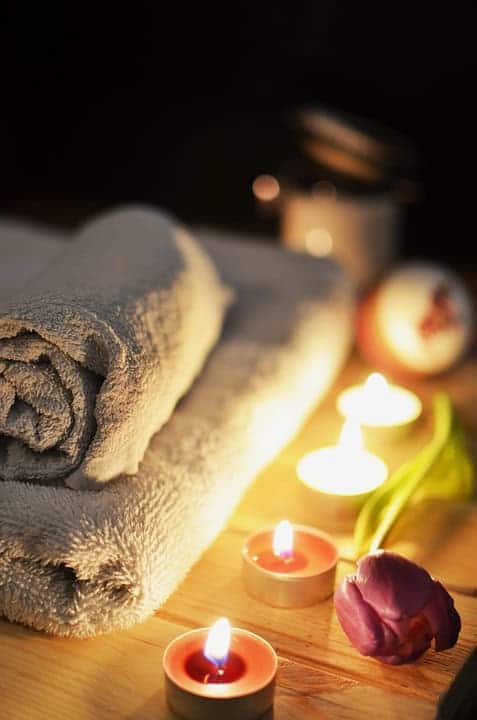


In today’s fast-paced world, maintaining a holistic approach to health and wellness is crucial. As stress levels rise and physical demands increase, the importance of self-care cannot be underestimated. Among the various practices available, massage therapy stands out as an effective way to enhance physical and mental wellness. Including massage services into your weekly wellness routine can boost overall health, relieve stress, and promote relaxation. Here’s how to integrate massage therapy seamlessly into your life while maximizing its benefits.
Understanding the Benefits of Massage Therapy
Before incorporating massage into your wellness routine, it’s essential to understand its myriad benefits:
1. Physical Relief and Muscle Recovery
Massage therapy helps alleviate muscle tension, reduce soreness, and enhance recovery from physical exertion. For those leading an active lifestyle or involved in sports, regular massages can expedite recovery and prevent injuries.
2. Stress Reduction
A fundamental benefit of massage is its ability to reduce stress levels significantly. Studies have shown that massage therapy can lower cortisol (the stress hormone) levels in the body, promoting relaxation and emotional well-being.
3. Improved Circulation
Massage improves blood flow and lymphatic drainage, which is beneficial for nutrient delivery and waste removal in the body. Enhanced circulation also promotes skin health and aids in recovery from injuries.
4. Better Sleep Quality
Consistent massage therapy can improve sleep quality, helping to combat insomnia and other sleep disorders. The relaxation response elicited by massage can lead to deeper, more restorative sleep.
5. Emotional Well-Being
Regular massage therapy can help improve mood and reduce symptoms of anxiety and depression. The release of endorphins during massage can create feelings of happiness and well-being.
Setting Up a Weekly Routine
Integrating massage into your weekly wellness routine requires some planning. Here are steps to create a structured approach:
1. Assess Your Needs and Goals
The first step is to assess your current health status and wellness goals. Are you primarily seeking relaxation, relief from muscle tension, or a combination of both? Identifying specific areas of focus will determine the type of massage technique you may need.
2. Choosing the Right Type of Massage
Different types of massage cater to various needs. Here are some common forms:
- Swedish Massage: Ideal for relaxation, this technique employs light to moderate pressure and promotes overall well-being.
- Deep Tissue Massage: Effective for chronic muscle tension, this massage targets deeper layers of muscle and connective tissue.
- Sports Massage: Best for athletes, this massage focuses on areas of the body that are overused and stressed from repetitive movements.
- Hot Stone Massage: Utilizes heated stones to relax muscles and promote circulation, providing a unique experience.
- Aromatherapy Massage: Incorporates essential oils, enhancing physical and emotional relaxation.
Consider trialing different types to find what resonates with you and suits your wellness goals.
3. Finding a Qualified Massage Therapist
Once you’ve decided on the type of massage that aligns with your goals, seek a certified and experienced massage therapist. Look for professionals with specialized training in the type of massage you wish to receive. Check online reviews, ask for recommendations from friends, and consult local wellness centers.
4. Scheduling Sessions
Decide how often you want to receive massage therapy. While some individuals may prefer weekly sessions, others might find bi-weekly or monthly massages sufficient. Aim to set a regular schedule that fits in with your other wellness activities. Consider the following factors:
- Time Commitment: Evaluate how much time you can dedicate to getting a massage each week, including travel to and from the appointment.
- Budget: Massage therapy can vary in cost, so determine a budget that allows you to enjoy the experience without financial stress. Look for package deals or loyalty programs offered by many spas and clinics.
- Personal Schedule: Maintain a regular routine of wellness activities, including massages, yoga, and fitness. Try to space your massage sessions around your other commitments to allow your body to recover and relax adequately.
5. Incorporating Massage into Your Wellness Agenda
Creating a comprehensive wellness routine can amplify the benefits of your massage sessions. Here’s how to weave massage into your overall routine:
a. Combine with Other Wellness Practices
Pairing massage therapy with other practices enhances its effectiveness. Here are some activities that complement massage therapy:
- Yoga: Incorporate yoga to increase flexibility, strength, and mindfulness. Practicing yoga before or after a massage can enhance relaxation and muscle release.
- Meditation: Spend time meditating to center your mind before or after a massage. This connection between body and mind will deepen the relaxation experience.
- Fitness Training: Engaging in regular exercise, such as cardio or weight training, prepares your body for effective muscle recovery during your massage sessions.
b. Create a Self-Care Ritual
Building a self-care ritual around your massage therapy can make the experience even more profound. Consider the following practices:
- Hydration: Drink water before and after your session to keep your muscles hydrated and aid in detoxification.
- Calm Environment: Create a soothing environment by taking time to relax before your appointment, whether through a warm bath, calming music, or gentle stretching.
- Post-Massage Care: Allow yourself adequate time after the massage to wind down. Engage in light activities, journaling, or simply resting to prolong the benefits of the massage.
Listening to Your Body
An essential aspect of integrating massage into your wellness routine is tuning into your body’s signals. Here are some tips on how to maintain this connection:
1. Monitor Your Stress Levels
Pay attention to how you feel physically and emotionally. If stress levels start to creep back up between appointments, consider adding supplementary self-care practices such as breathing exercises or mindfulness meditation.
2. Evaluate Physical Symptoms
Be mindful of any muscle tension or discomfort in between massages. If certain areas are more pronounced, communicate this with your therapist, as it may influence future sessions and techniques employed.
3. Adjust Your Routine as Needed
Your wellness routine should be fluid and adaptable. As your body’s needs change, reevaluate how massage fits into your schedule. Don’t hesitate to adjust frequency, type, or even therapist if you seek different results.
Engaging in Group or Partner Massages
In addition to individual sessions, consider including group or partner massages in your routine. This can enhance the social component of self-care:
1. Couples Massages
Scheduling couple massages with a significant other can enhance bonding and shared relaxation. Many spas offer special packages designed for couples.
2. Group Sessions
Consider participating in wellness retreats or group massage sessions. These experiences can often be more affordable while also creating a sense of community.
Track Progress and Reflect
Monitoring your journey can help you understand how massage affects your overall wellness. Keep a journal to track your sessions, noting any changes in stress levels, physical condition, and emotional well-being.
1. Identify Patterns
Reviewing your journal can help identify patterns over time. Note any correlations between your massage routine and improvements or setbacks in your health.
2. Celebrate Milestones
Acknowledge and celebrate improvements, whether it’s reduced stress, better sleep, or enhanced physical performance. Recognizing these milestones can keep you motivated and committed to your wellness journey.
As you embark on this transformative journey of incorporating massage services into your weekly wellness routine, remember that self-care is not a luxury but a necessity. Investing in massage therapy can yield profound benefits for your physical and emotional health, leading to a more balanced and fulfilling life. Prioritize your well-being by embracing this holistic practice, and watch as it enhances every aspect of your life.