

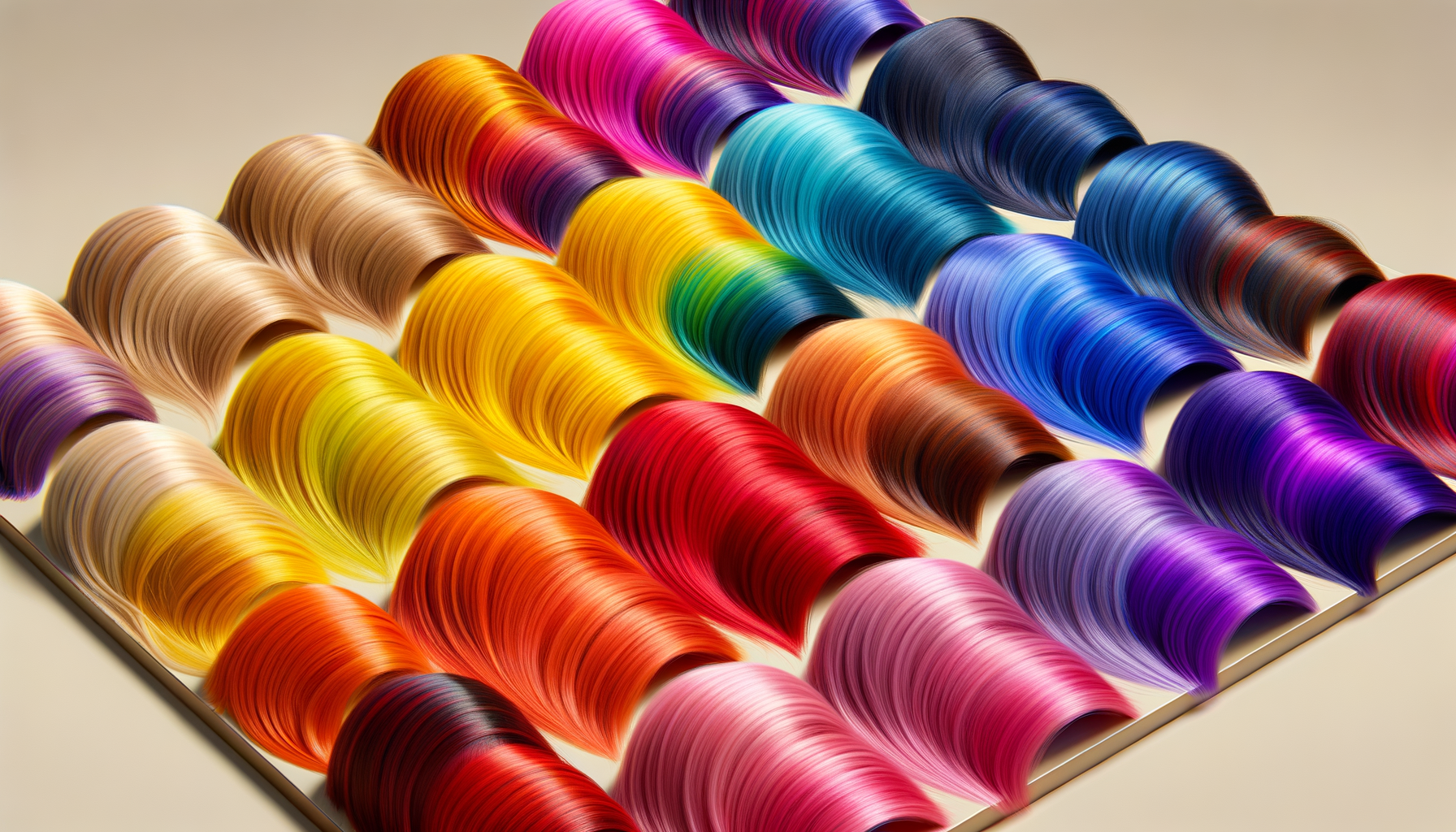
In a world where self-expression reigns supreme, vibrant hair colour has emerged as a potent form of personal style. Whether you’re looking to make a bold statement or simply want a refreshing change, the hues you choose can convey much about your personality. The thrill of stepping into a salon and coming out as a more vibrant version of yourself is unparalleled. However, achieving and maintaining that vivacious colour requires knowledge, planning, and a little TLC. This guide will walk you through everything from choosing the right shade to maintaining your vibrant locks.
1. Understanding Vibrant Hair Colours
Vibrant hair colours are typically characterized by their intensity and saturation. Think deep blues, fiery reds, brilliant purples, and lush greens. Unlike natural hair colours that tend to be more subdued, vibrant shades command attention.
1.1 Types of Vibrant Hair Colours
Semi-Permanent: These colours usually last for 4 to 6 weeks and can gradually fade with each wash. They’re great for those who want to experiment without long-term commitment.
Permanent: Permanents provide long-lasting results by penetrating the hair shaft. While they require a more thorough application and can be damaging if not done correctly, they offer the boldest, most vibrant results.
Pastels: These softer shades can also be considered vibrant. Pastels often require a lightened base to stand out and may need regular touch-ups.
Fantasy Colours: These are unconventional shades that one might not find in nature, like electric blue or neon pink. They often require lightening beforehand and are typically more high-maintenance.
2. Choosing Your Vibrant Shade
Selecting the right colour goes beyond aesthetics; it involves understanding your skin tone, personal style, and maintenance preferences.
2.1 Skin Tone Considerations
Cool Undertones: If your skin’s undertones lean toward pink or blue, colours like violet, cool blues, or even icy pastels can enhance your look.
Warm Undertones: For those with a yellow or golden hue, opt for warm colours like fiery reds, rich golds, or stunning warm browns.
Neutral Undertones: If you’re in between cool and warm, then you’re in luck! Most shades will suit you, but colours that blend sweetly from warm to cool, such as burgundy or copper, might be particularly flattering.
2.2 Personal Style
Are you an avant-garde risk-taker, or do you prefer a more subtle approach? Your personality should guide your colour choices.
Bold Statement: If you want your hair to be a conversation starter, go for vivid shades like neon pink or blue.
Subtle Change: If you are looking for something less dramatic, consider rich burgundies or deep emeralds.
2.3 Maintenance Level
The maintenance of vibrant hair can dramatically influence your choice. Bright colours require more upkeep, while darker shades can often fade out more gracefully.
High Maintenance: Bright and pastel colours may need frequent salon visits and special shampoos.
Low Maintenance: Darker shades will likely require touch-ups less frequently but will still necessitate proper aftercare to maintain vibrancy.
3. Preparing for the Colour Change
Preparation is key to ensuring you achieve your desired shade while maintaining the health of your hair.
3.1 Hair Health Assessment
Before applying any colour, evaluate the health of your hair. Damaged or overly processed hair may struggle to take on new colour adequately.
Hair Types:
- Fine Hair: May require less processing time but can also be sensitive to chemicals.
- Thick Hair: Generally more resilient but may absorb colours differently.
- Curly/Kinky Hair: Often needs intense moisture treatment in addition to colour application.
3.2 Consult a Professional
While home applications may seem cost-effective, seeking professional help can save you time and avoid potential disasters. A skilled colourist will consider your hair type, desired look, and any damage before applying colour.
3.3 Pre-Treatment
Consider doing a deep conditioning treatment ahead of time to ensure your hair is as healthy as possible before the dye process.
4. The Colouring Process
Understanding what happens during the hair colour process can mitigate future mishaps.
4.1 Lightening
Most vibrant colours need a lightened base to appear their best. This usually involves employing bleach, which can be harsh and damaging.
Balayage vs. Ombre: Discuss with your stylist about the different techniques to lighten your hair. Balayage gives a more sun-kissed effect, while ombre can create a more dramatic gradient.
4.2 Application
Follow your stylist’s instructions when applying the colour.
4.3 Processing Time
Allow ample time for the colour to develop. This typically ranges from 20 to 45 minutes, depending on the product and desired intensity.
4.4 Washing Out
Once the processing is complete, your stylist will wash out the dye using shampoo designed for colour-treated hair.
5. Aftercare for Vibrant Hair
Maintaining vibrant colour is essential if you want to enjoy those stunning hues for as long as possible.
5.1 Use Colour-Safe Products
Shampoos and conditioners formulated for treated hair can help maintain vibrancy. Avoid products with sulfates and parabens, as these components can strip colour.
5.2 Regular Treatments
Schedule regular treatments to keep your hair hydrated and nourished. A weekly deep conditioning treatment can do wonders.
5.3 Temperature Control
Hot water can cause colour to fade quickly. Wash your hair in lukewarm water, and finish with a blast of cold to seal the cuticle.
5.4 Limit Heat Styling
Excessive heat can damage your hair and accelerate colour fading. If you must use heat, always apply a heat protectant first.
5.5 Avoid Excessive Sun Exposure
UV rays can break down hair colour. Wear a hat or use UV-protectant sprays when spending extended periods in the sun.
6. Handling Fading and Touch-Ups
Despite your best efforts, colour will fade. Knowing how to manage this is crucial.
6.1 When to Touch Up
Typically, you’ll need to return to the salon every 4 to 8 weeks for a touch-up, depending on the colour.
6.2 DIY Touch-Ups
If you can’t make it back to the salon, consider using semi-permanent dyes at home to refresh your colour.
6.3 Transitioning Back to Natural Colour
If you decide to let your vibrant colour fade or return to a more natural shade, consult with a professional colourist who can balance your transitions.
7. Embracing Your New Look
Once you’ve made the leap into vibrant hair colour, be prepared for the attention it may bring.
7.1 Confidence is Key
Own your new look! Vibrant hair can drastically improve your confidence and how others perceive you.
7.2 Explore New Styles
Your vibrant colour can be complemented with different hairstyles. Whether it’s waves, braids, or updos, experiment to showcase your new hue.
7.3 Engage with the Community
Join online forums or social media groups dedicated to vibrant hair colours. Sharing your journey and learning from others can add to the fun!
Exploring vibrant hair colour can be an enjoyable journey that allows you to express your unique style and personality. From choosing the right shade based on your skin tone and personal style to learning how to maintain those striking hues, knowledge is your best ally for vibrant, healthy locks. The world of colour is vast, and with proper care and attention, you can revel in the joy of your new vibrant look for months to come.