

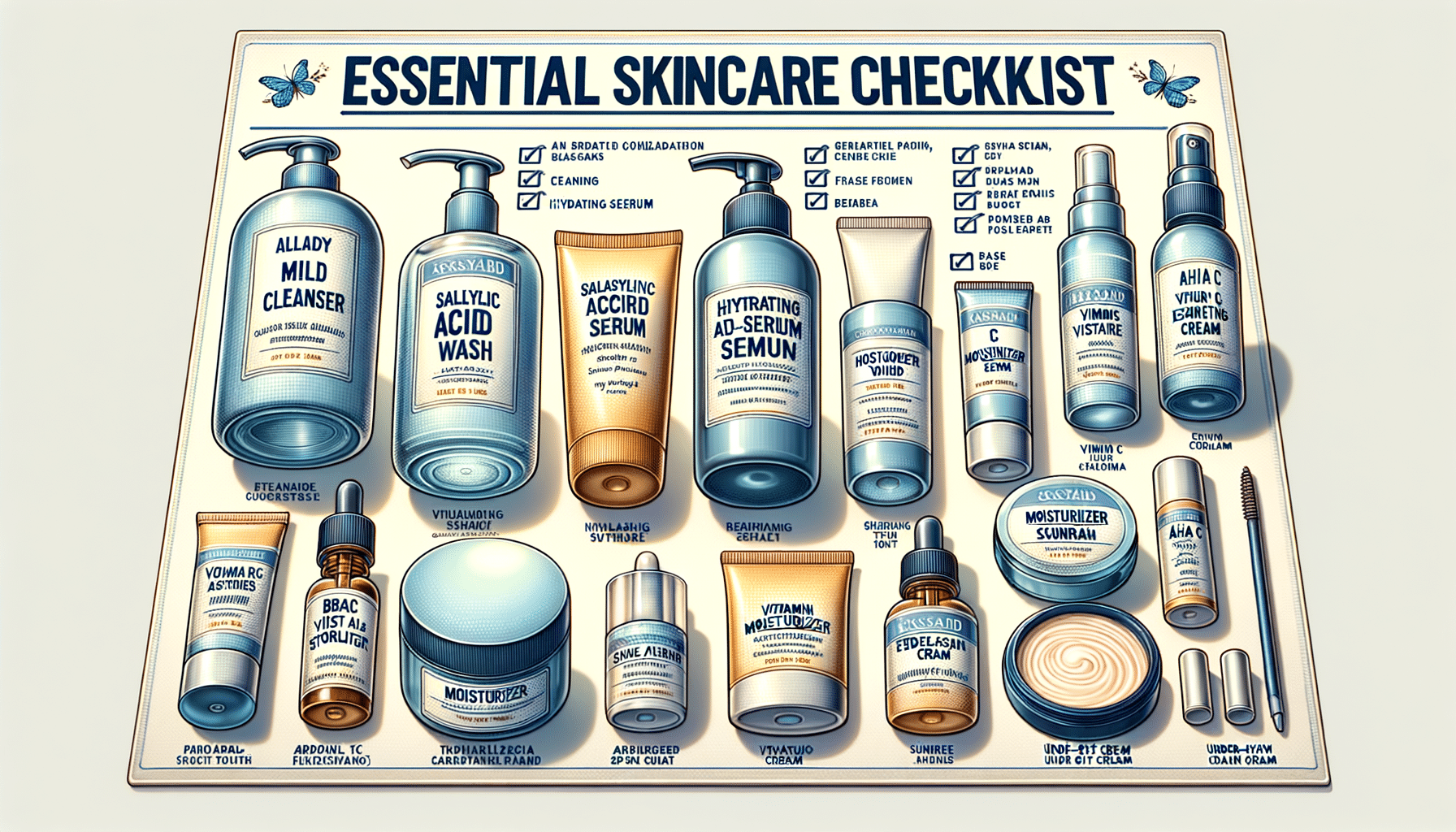
Your Essential Skincare Checklist
In today’s fast-paced world, taking care of your skin is not just a luxury but a necessity. With the multiplicity of products, techniques, and trends, it can be overwhelming to establish a skincare routine that works best for you. This essential skincare checklist aims to guide you through the fundamentals of an effective skincare regimen, ensuring that you prioritize your skin’s health and vitality.
Understanding Your Skin Type
The very first step in any skincare routine is to understand your skin type. This will dictate the products you need and how you should apply them. Skin types can generally be classified into five categories:
-
Normal Skin: Characterized by balanced moisture and oil levels, normal skin often has minimal imperfections, a smooth texture, and no severe sensitivity.
-
Oily Skin: This skin type tends to produce excess sebum, leading to a shiny appearance, particularly in the T-zone (forehead, nose, and chin). People with oily skin are more prone to acne breakouts and enlarged pores.
-
Dry Skin: Dry skin lacks hydration and may feel tight, rough, or flaky. It can also be prone to redness and irritation, especially in harsh weather conditions.
-
Combination Skin: As the name suggests, this skin type is a mix of oily and dry areas. Usually, the T-zone is oily while the cheeks may be dry or normal.
- Sensitive Skin: Prone to redness, irritation, and allergic reactions, sensitive skin requires gentle products and careful management to avoid flare-ups.
Identifying your skin type is crucial as it informs the subsequent steps in your skincare checklist.
Daily Skincare Steps
Once you’ve pinpointed your skin type, you can follow these daily skincare steps tailored to your unique needs.
1. Cleansing
Cleansing is fundamental to removing dirt, oil, and makeup that accumulates throughout the day. This step is necessary for all skin types but should be tailored according to your skin condition.
- Normal Skin: A gentle foaming cleanser works well.
- Oily Skin: Look for a cleanser with salicylic acid or tea tree oil to tackle excess oil.
- Dry Skin: Opt for a hydrating cream or oil-based cleanser to avoid further drying out your skin.
- Combination Skin: A mild gel cleanser can effectively balance both oily and dry areas.
- Sensitive Skin: Stick to fragrance-free, hypoallergenic cleansers to prevent irritation.
Cleansing should be done twice a day—once in the morning and once before bed.
2. Exfoliation
Exfoliating helps to remove dead skin cells, promoting cell turnover and preventing clogged pores. However, it’s essential not to overdo it.
- Frequency: For dry or sensitive skin, exfoliate once or twice a week. Oily skin might benefit from a more routine exfoliation—up to three times a week.
- Types: You can use physical exfoliants (scrubs) or chemical exfoliants (AHAs and BHAs). Choose based on your skin’s sensitivity and preference.
3. Toning
Toners help balance your skin’s pH post-cleansing and can provide an additional layer of hydration.
- Normal Skin: Choose a balancing toner.
- Oily Skin: Look for a toner with witch hazel or salicylic acid.
- Dry Skin: Opt for hydrating toners with glycerin or hyaluronic acid.
- Combination Skin: A light, non-alcoholic toner is ideal.
- Sensitive Skin: Stick to soothing toners with chamomile or aloe vera.
Apply toner using a cotton pad or simply pat it onto your skin with your fingers.
4. Serum
Serums are packed with active ingredients that can target specific skin concerns, such as dark spots, acne, or fine lines.
- Normal Skin: You can choose either hydrating or vitamin C serums.
- Oily Skin: Look for serums with niacinamide or salicylic acid to control oil and breakouts.
- Dry Skin: A hydrating serum with hyaluronic acid can do wonders.
- Combination Skin: A balancing serum can help regulate oil production.
- Sensitive Skin: A calming serum with antioxidants can soothe irritation.
Apply serum after toner but before moisturizer for optimal absorption.
5. Moisturizing
Regardless of your skin type, moisturizing is crucial to hydrate and protect your skin’s barrier.
- Normal Skin: A lightweight, non-greasy lotion is suitable.
- Oily Skin: Use a gel-based moisturizer that won’t clog pores.
- Dry Skin: Opt for a thick cream or ointment to lock in moisture.
- Combination Skin: A lightweight cream that hydrates without feeling heavy is ideal.
- Sensitive Skin: Look for fragrance-free, hypoallergenic moisturizers to prevent irritation.
6. Sun Protection
Protecting your skin from harmful UV rays is critical. Daily sunscreen application is essential, regardless of the weather.
- Broad Spectrum: Choose a broad-spectrum SPF of at least 30.
- Formulation:
- Normal/Oily Skin: Lightweight or gel formulas are best.
- Dry Skin: Creamy formulations that add hydration are ideal.
- Sensitive Skin: Mineral-based sunscreens with zinc oxide are less likely to irritate.
Apply sunscreen as the last step in your morning routine and reapply every two hours if you are outdoors.
Night-Time Skincare Routine
Your night-time routine can differ from your day routine since your skin undergoes repair while you sleep.
-
Double Cleansing: Consider double cleansing in the evening; first with an oil-based cleanser to remove makeup, followed by your regular cleanser.
-
Serum: You may opt for a different serum focused on repair, such as retinol or peptide-based serums that promote anti-aging.
-
Moisturize: Night creams or sleeping masks can provide extra nourishment.
- Eye Cream: If puffiness or dark circles are concerns, consider using an eye cream as an additional step.
Weekly Treatments
In addition to your daily and night-time routines, consider adding weekly treatments to your regimen based on your skin’s specific needs:
- Masks: Use hydrating masks for dry skin, clay masks for oily skin, or soothing masks for sensitive skin.
- Facial Oils: These can be added on top of your moisturizer to lock in hydration, especially during colder months.
Lifestyle Factors
Beyond the products you use, lifestyle factors also significantly impact your skin health.
-
Diet: Incorporate antioxidants, vitamins, and plenty of water into your diet. Foods rich in omega-3 fatty acids can help maintain skin hydration.
-
Sleep: Aim for 7-9 hours of sleep per night to allow your skin to regenerate.
-
Stress Management: Stress can exacerbate skin conditions. Techniques such as yoga, meditation, and exercise can help.
- Hydration: Drinking sufficient water keeps your skin hydrated from the inside out.
Consult with a Professional
If you’re struggling with persistent skin issues, consider seeking help from a dermatologist. They can help tailor a skincare routine specific to your needs and can also offer treatments like chemical peels, microdermabrasion, or prescription medications for severe skin conditions.
Keeping Track
Maintain a skincare journal to note the products you use, how your skin reacts, and any changes in routine. This can help you identify what works and what doesn’t over time.
By following this essential skincare checklist, you can pave the way for healthier, glowing skin. Remember, consistency is key; changes won’t happen overnight, but with dedication and the right approach, your skin will thank you.
Related Posts
 Which Anti Aging Facials Services Works Best For Abuja Residents
 What Wellness Services Are Essential For Bridal Preparation In Abuja
 What Essential Oils Are Used In Our Signature Relaxation Massage Services
 Signature Facials Services Provide Better Results
 Why Signature Facials Services Provide Better Results Than DIY Skincare
 Why Signature Facials Services Provide Better Results
 Menʼs Skincare Made Simple
 Essential Beard Care Routines