


Aging is an inevitable part of life, one that brings with it a multitude of physical, emotional, and psychological changes. As we age, our skin loses elasticity, our bodies may not recover as quickly, and conditions such as arthritis or heart disease may arise. While aging is a natural process, many individuals seek ways to maintain their vitality, health, and appearance. This quest has led to the rise of anti-aging wellness services, encompassing a wide array of treatments and practices aimed at slowing the aging process and enhancing overall well-being.
Understanding Aging
Before diving into anti-aging wellness services, it’s essential to understand what aging entails. Aging is characterized by a gradual decline in physiological function and an increase in morbidity and mortality risks. Biological changes occur at the cellular level, impacting everything from skin health to cognitive function. Factors influencing aging include genetics, lifestyle choices, and environmental factors.
Historically, women have been the primary consumers of anti-aging products and services, but this trend is shifting. Men are now recognizing the importance of skincare and wellness, seeking treatments and products that promote a youthful appearance and overall health. This makes it vital for everyone to consider when to start incorporating anti-aging wellness services into their routine.
Signs That You Might Need Anti-Aging Services
-
Visible Signs of Aging: Wrinkles, fine lines, age spots, and sagging skin are among the most obvious signs of aging. If you begin noticing these changes in your appearance, it may be a good time to consider anti-aging treatments.
-
Decreased Energy Levels: As we age, it’s common to feel more fatigued, even after a full night’s sleep. If you’re finding it challenging to keep up with your daily activities, you might benefit from services focused on improving energy through nutrition, exercise, and supplements.
-
Changes in Weight: Many people find that maintaining a healthy weight becomes more challenging as they age. Weight fluctuations can lead to increased health risks. Comprehensive wellness services can provide guidance on nutrition, fitness, and lifestyle adjustments.
-
Joint Pain and Mobility Issues: If you begin to experience joint pain, stiffness, or a decrease in mobility, it may signal that it’s time to explore anti-aging services aimed at improving joint health and flexibility.
- Cognitive Decline: Memory lapses, decreased focus, and slower information processing can become more noticeable with age. Many anti-aging wellness services offer cognitive training and brain health products that can help improve mental agility.
The Right Age to Start Anti-Aging Services
While there is no definitive answer to the right age for starting anti-aging wellness services, several factors come into play:
-
Genetic Factors: Family history can play a significant role in the visible signs of aging. Those with a family history of premature aging may want to start exploring services in their late 20s or early 30s.
-
Lifestyle Choices: Individuals who have engaged in unhealthy behaviors (like smoking, excessive sun exposure, or a poor diet) may start showing signs of aging earlier than their peers. Starting anti-aging services earlier can combat these effects.
-
Personal Preferences: Some individuals may prioritize their appearance and health more than others. If maintaining a youthful appearance is a personal goal, it’s sensible to begin integrating anti-aging services in your 30s.
- Preventive Measures: Some treatments are designed more for prevention than for correction. Services like laser therapy, chemical peels, or even personalized skincare regimens can help slow the aging process before visible signs become apparent.
Types of Anti-Aging Wellness Services
Once you’ve determined that you’re at the right stage to consider anti-aging services, it’s crucial to understand the various options available:
1. Skincare Treatments
-
Botox and Fillers: These injectables are commonly used to diminish the appearance of fine lines and wrinkles. Botox works by temporarily paralyzing the muscles, while fillers add volume to areas that may sag with age.
-
Chemical Peels: These treatments exfoliate the skin to promote new cell growth and can reduce the appearance of age spots and fine lines.
- Laser Treatments: Various laser therapies can target pigmentation issues, tighten skin, and promote collagen production.
2. Nutritional Services
-
Personalized Nutrition Plans: Consulting with a nutritionist can help identify dietary choices that promote healthy aging. Foods rich in antioxidants, omega-3 fatty acids, and essential vitamins play a critical role in overall wellness.
- Supplements: Certain supplements, such as collagen, CoQ10, and antioxidants, can support the body’s health and appearance as it ages.
3. Physical Wellness Programs
-
Exercise Plans: Regular physical activity is crucial for maintaining muscle mass, flexibility, and overall health. Tailored fitness programs can help strengthen the body and reduce injury risks.
- Yoga and Pilates: These low-impact exercises focus on building core strength, increasing flexibility, and promoting relaxation, all of which are essential for aging gracefully.
4. Mental Wellness Services
-
Cognitive Training: Brain games and memory tests can sharpen mental agility and memory recall. Programs aimed at enhancing cognitive function can be beneficial starting in your 30s and 40s.
- Mindfulness and Meditation: Stress management is crucial for overall health. Techniques such as mindfulness and meditation can help improve mental clarity and emotional well-being.
The Role of Technology in Anti-Aging
Modern technology plays a vital role in the advancement of anti-aging services. From at-home devices like LED masks that promote skin health to advanced genetic testing that can personalize wellness strategies, technological innovations are making anti-aging treatments more accessible and effective.
Telehealth services have also made it easier than ever to consult with specialists regarding anti-aging treatments without the need for in-person visits. This convenience allows individuals to get guidance on nutrition, skincare, and health assessments from the comfort of their homes.
Evaluating Anti-Aging Services
As you consider which anti-aging services might be right for you, evaluating potential providers is crucial. Look for specialists with experience in anti-aging treatments. Read reviews, ask for referrals, and schedule consultations to gauge the practitioner’s approach and expertise. It’s important to have a thorough discussion about your goals and concerns to develop a personalized strategy.
Financial Considerations
Lastly, budgeting for anti-aging services is key. Many treatments, particularly advanced ones like laser therapies or injectables, can be a financial investment. Insurance may not cover these options, so it’s wise to explore financing options or develop a realistic budget to accommodate these expenses.
By assessing your physical, emotional, and mental health with respect to aging, you can make informed decisions about when and how to incorporate anti-aging wellness services into your life. These proactive measures can lead to improved vitality, confidence, and overall quality of life as you age.
Luxor Spa Salon | Best Spa & Wellness Center in Abuja Home
Related Posts
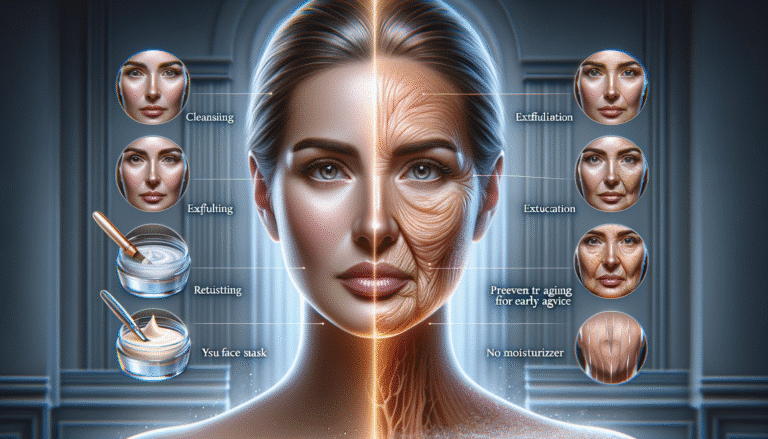 Why Investing In Premium Facials Services Prevents Early Aging
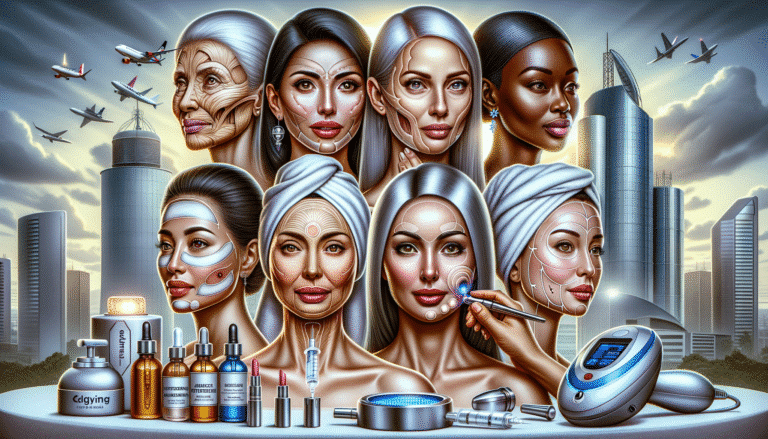 Which Anti Aging Facials Services Works Best For Abuja Residents
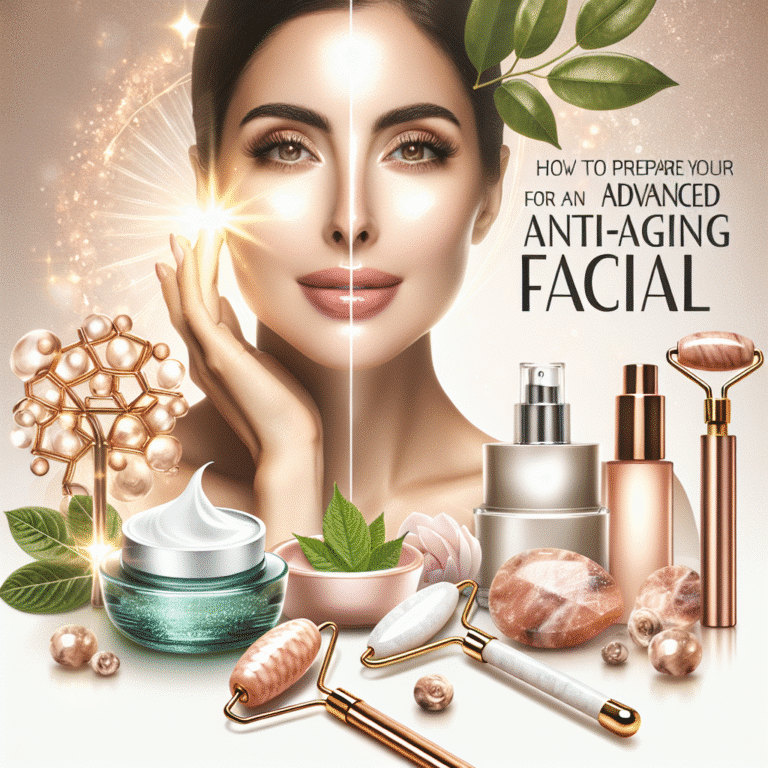 How To Prepare Your Skin For An Advanced Anti Aging Facials Services
 Why Our Medical Pedicure Services Are The Safest In Abuja Which Wellness Services Does It Include
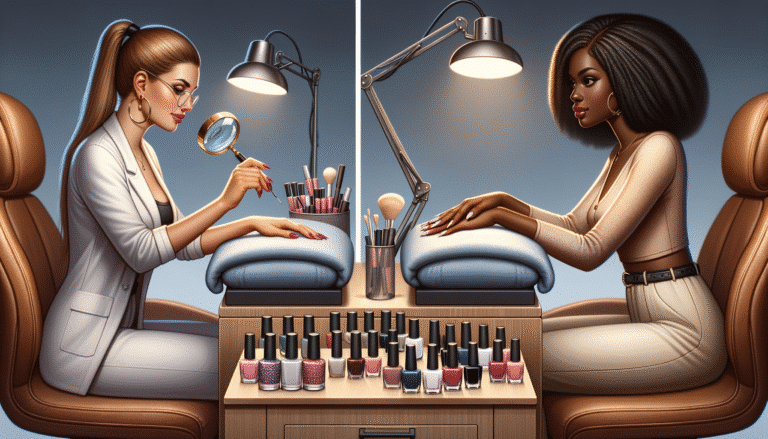 Why Professional Manicure Services Are Better Than At Home Nail Care
 Which Pedicure Services Is Recommended For Diabetics At Luxor Spa
 When Should Pregnant Women Consider Gentle Prenatal Massage Services
 When To Upgrade Your Basic Pedicure Services To A Luxury Option