

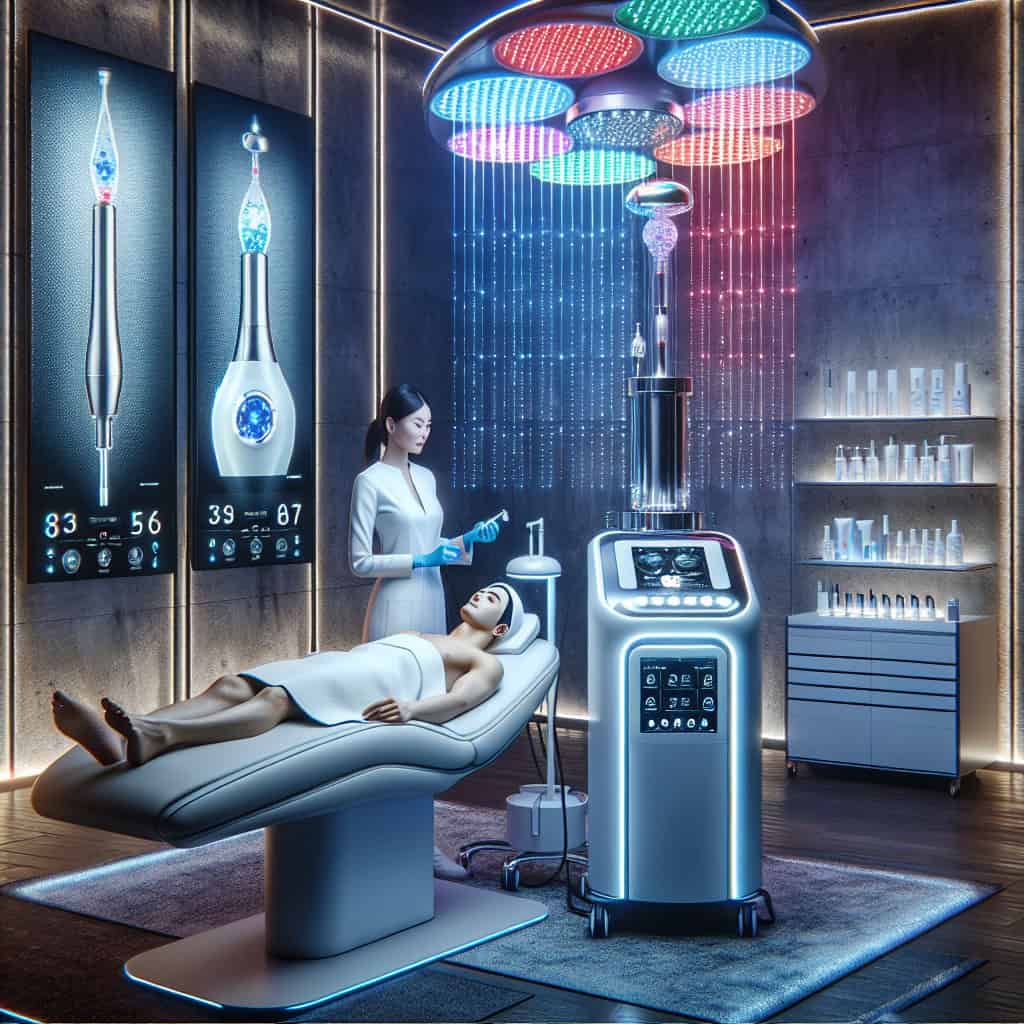
Acne is a common skin condition that affects millions of people worldwide, making it a prevalent concern among individuals of all ages. Whether caused by hormonal fluctuations, diet, or environmental factors, acne can lead to both physical and emotional distress. While various treatments exist for addressing this skin issue, many individuals turn to professional facial services as a way to achieve clearer skin. But how long does it take to see results from regular anti-acne facials?
Understanding Acne and Its Causes
Before diving into the expected timelines for results from facial treatments, it’s important to understand what causes acne. Acne can occur due to several factors, including:
-
Hormonal Changes: Fluctuations in hormones—often experienced during puberty, menstruation, pregnancy, or due to conditions like polycystic ovary syndrome (PCOS)—can lead to increased sebum production, thus contributing to acne.
-
Bacteria: The skin houses various bacteria, some of which can lead to acne when they proliferate, particularly Propionibacterium acnes.
-
Excess Oil Production: Overactive sebaceous (oil) glands can lead to a buildup of oil on the skin’s surface, clogging pores and creating an environment where bacteria can thrive.
-
Dead Skin Cells: The accumulation of dead skin cells can also contribute to clogged pores, which exacerbate acne.
- Diet and Lifestyle Choices: Certain foods, stress, and lifestyle choices, such as lack of sleep or inadequate hydration, can all impact skin health and contribute to acne outbreaks.
By understanding these causes, individuals can better appreciate the role facials play in managing and treating acne.
The Role of Anti-Acne Facials
Anti-acne facials are skin treatments designed specifically to address breakouts and improve the overall texture and clarity of the skin. These facials typically combine several techniques, including:
- Deep Cleansing: Removing dirt, oil, and impurities from the skin’s surface.
- Exfoliation: Using chemical or physical exfoliants to remove dead skin cells and unclog pores.
- Extraction: Carefully extracting whiteheads and blackheads to clear trapped sebum and bacteria.
- Masking: Applying masks infused with ingredients like salicylic acid, glycolic acid, or tea tree oil to calm inflammation and reduce bacteria.
- Moisturizing: Hydrating the skin with oil-free products to balance moisture levels without clogging pores.
Regular sessions often lead to cumulative effects that enhance overall skin health. However, results can vary based on several factors.
Frequency of Treatments
To see optimal results, it is advisable to get facials on a regular basis. The recommended frequency usually depends on individual skin type, the severity of acne, and the specific methods used in the treatments:
-
For Mild to Moderate Acne: It is generally advised to have facials every 2 to 4 weeks. This allows for consistent deep cleansing and exfoliation without overwhelming the skin.
-
For Severe Acne: Individuals dealing with more serious cases of acne may benefit from weekly facials, at least initially. This frequency can help in rapidly addressing breakouts and in adopting a holistic approach to skin management.
- Maintenance: Once the skin starts to clear up, maintenance treatments every 4 to 8 weeks can help keep acne at bay and manage any occasional breakouts.
Expected Results Timeline
The timeline for seeing results from regular anti-acne facials can be broken down into phases:
1. Initial Phase (1-4 Weeks)
During the first month of receiving facials, you might notice a few changes:
-
Immediate Improvements: Some individuals experience immediate benefits like improved texture and a reduction in excess oil. The skin may feel softer and appear more radiant right after the facial.
-
Purging Phase: It’s not uncommon for the skin to go through a purging phase during the first few weeks, where existing breakouts may surface. This is often a good sign that the facial is working to bring underlying issues to the forefront.
- Reduced Inflammation: Many people notice reduced redness and inflammation, especially after receiving calming masks and treatments.
2. Intermediate Phase (4-8 Weeks)
As treatments continue, more significant changes begin to manifest:
-
Reduced Breakouts: Many individuals report fewer breakouts as regular extractions help clear the skin and prevent new ones from forming.
-
Improved Texture: The skin may become smoother and more even-toned, with fewer blemishes and marks.
- Changes in Oil Production: With regular treatments, many notice that the skin’s oil production stabilizes, leading to a less greasy appearance, thanks to effective exfoliation and deep cleansing.
3. Long-term Phase (8 Weeks and Beyond)
After two months of consistent facial treatments, patients can expect to see more pronounced improvements:
-
Clearer Skin: For most people, significant reductions in acne are apparent, with many achieving clearer skin.
-
Fading Scars: While facials can help with acne management, they also assist in fading acne scars over time, especially when combined with other treatments like chemical peels or laser therapies.
- Overall Skin Health: Regular facials often result in healthy, balanced skin that appears vibrant and youthful.
Factors Influencing Results
Several factors can influence how quickly one sees results from anti-acne facials:
1. Individual Skin Type: Each person’s skin responds differently to treatments. Oily, dry, or combination skin types may exhibit varying results.
2. Severity of Acne: Those with severe acne might not see results as quickly as those with mild to moderate conditions.
3. Lifestyle: Diet, hydration levels, stress management, and skincare routines at home all play an essential role in the efficacy of treatments.
4. Products Used: The type of products and the professionalism of the esthetician can significantly impact results. It’s essential to be treated by a skilled professional familiar with methods tailored to acne-prone skin.
Combining Treatments for Optimal Results
For many individuals, combining facials with other treatments can help expedite results. Some options include:
-
Topical Treatments: Using prescription creams or over-the-counter treatments alongside facials can lead to faster clearing of acne.
-
Chemical Peels: These can be added to a facial regimen for deeper exfoliation and to tackle more stubborn acne.
-
Regular Skincare Routine: Maintaining a consistent at-home skincare routine with products suited for acne-prone skin can enhance the results of facials.
- Dietary Changes: Incorporating a balanced diet rich in vitamins and minerals can also support skin health from within.
Tips for Maximizing Facial Benefits
To make the most of your anti-acne facial treatments, consider the following tips:
-
Communicate with Your Esthetician: Share your concerns and goals so they can tailor treatments specifically for your skin.
-
Avoid Pickings: Refrain from picking at acne or skin blemishes, as this can cause further irritation and scarring.
-
Stay Hydrated: Drinking enough water contributes to overall skin health and can help manage oil production.
- Follow Aftercare Instructions: Post-facial instructions should be observed for optimal healing and to maintain results.
By understanding what to expect and how to enhance your facial experience, you can better navigate your journey to clearer skin. Regular anti-acne facials can indeed be a valuable part of an effective skincare regimen, providing both immediate and long-term benefits.