


In an age where stress and anxiety have become commonplace in our fast-paced lives, many individuals are turning to alternative therapies to find solace and healing. Among these, massage therapy has risen to prominence as a legitimate and effective form of treatment for a multitude of physical and emotional conditions. This article delves into the science behind massage therapy, examining its therapeutic touch and the physiological processes it influences to promote health and wellbeing.
Understanding Massage Therapy
Massage therapy encompasses a variety of techniques in which the hands are used to manipulate the soft tissues of the body. Techniques can range from deep tissue and sports massage to relaxation and Swedish massage, each designed to address different needs and conditions. The core objective remains the same: to alleviate tension, enhance circulation, promote relaxation, and ultimately contribute to overall wellness.
The Physiological Effects of Massage
1. Reducing Muscle Tension
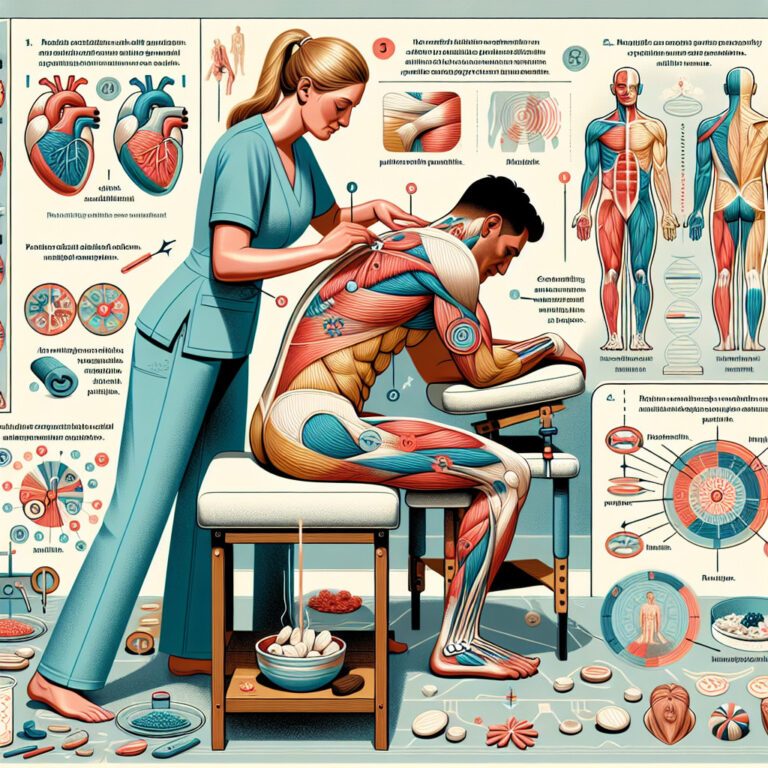
One of the most immediate effects of massage is the reduction of muscle tension. Physical manipulation of the muscles stimulates blood flow, which in turn helps to deliver oxygen and nutrients to the tissues while removing metabolic waste products such as lactic acid. This physiological process can lead to decreased pain and increased range of motion, making massage an effective treatment for sports injuries, chronic pain conditions, and recovery after physical exertion.
2. Enhancing Circulation
Massage therapy is renowned for its ability to improve circulation. By applying pressure to specific body areas, massage therapists can assist in moving blood through congested areas. Enhanced circulation not only nourishes organs and tissues but also boosts the immune system, providing a protective response against illnesses. Various studies have highlighted the positive correlation between massage and improved cardiovascular health, showing reduced heart rates and blood pressure in patients receiving regular massage therapy.
3. Reducing Stress and Anxiety
The relationship between massage therapy and emotional wellbeing is profound. The therapeutic touch promotes relaxation by reducing levels of cortisol, the stress hormone, in the body. Simultaneously, levels of serotonin and dopamine—the “feel-good” hormones—are elevated. This biochemical transformation can alleviate anxiety, depression, and tension, creating a sense of calm and mental clarity for individuals.
4. Improving Sleep Quality
Numerous studies have indicated that massage therapy can lead to improved sleep quality. The relaxation induced by massage has been shown to enhance sleep patterns and reduce insomnia. By decreasing muscular tension and promoting relaxation, individuals are likely to experience deeper and more restorative sleep cycles.
The Evidence Base
While the anecdotal benefits of massage therapy are widely recognized, the scientific community has responded with a growing body of research validating its efficacy. Systematic reviews and meta-analyses have highlighted the effectiveness of massage therapy for conditions such as low back pain, fibromyalgia, and stress-related disorders.
For instance, a comprehensive study published in the Journal of Clinical Psychology found that patients receiving regular massage therapy reported significant reductions in symptoms of anxiety and depression compared to those who did not engage in massages. Furthermore, a separate meta-analysis in the International Journal of Therapeutic Massage and Bodywork concluded that massage therapy is an effective intervention for reducing pain and improving function in various musculoskeletal conditions.
Personalization in Massage Therapy
One of the key strengths of massage therapy lies in its ability to be tailored to individual needs. Practitioners often conduct thorough assessments to determine the most effective techniques for each client, acknowledging personal preferences, health concerns, and therapeutic goals. This individualized approach empowers patients, making them more active participants in their healing process.
Conclusion
The therapeutic touch of massage therapy goes beyond mere luxury; it harnesses a wealth of scientific principles that can profoundly impact physical and emotional health. As more individuals seek natural and holistic approaches to wellness, understanding the scientific foundation behind massage therapy is critical. The myriad benefits—from reducing muscle tension and enhancing circulation to alleviating stress and improving sleep—make massage therapy an invaluable tool in our quest for wellness. As we continue to unravel the science behind this ancient practice, it becomes evident that the healing power of touch is not just an art but also a science grounded in biology, psychology, and human connection.
Related Posts
 Which Full Body Massage Services Targets Stress And Anxiety
 The Best Massages to Relieve Stress from Abuja Traffic
 Massage Therapy Demystified: How Science Explains Its Healing Effects
 How To Get Immediate Relief From Muscle Soreness With Massage Services
 When To Choose A Therapeutic Massage Services Over A Relaxation Massage Services
 How Our Wellness Services Are Designed To Boost Mental Health
 How To Choose The Right Wellness Services Package For Stress Relief
 The Science of Relaxation and How Luxor Mastered It