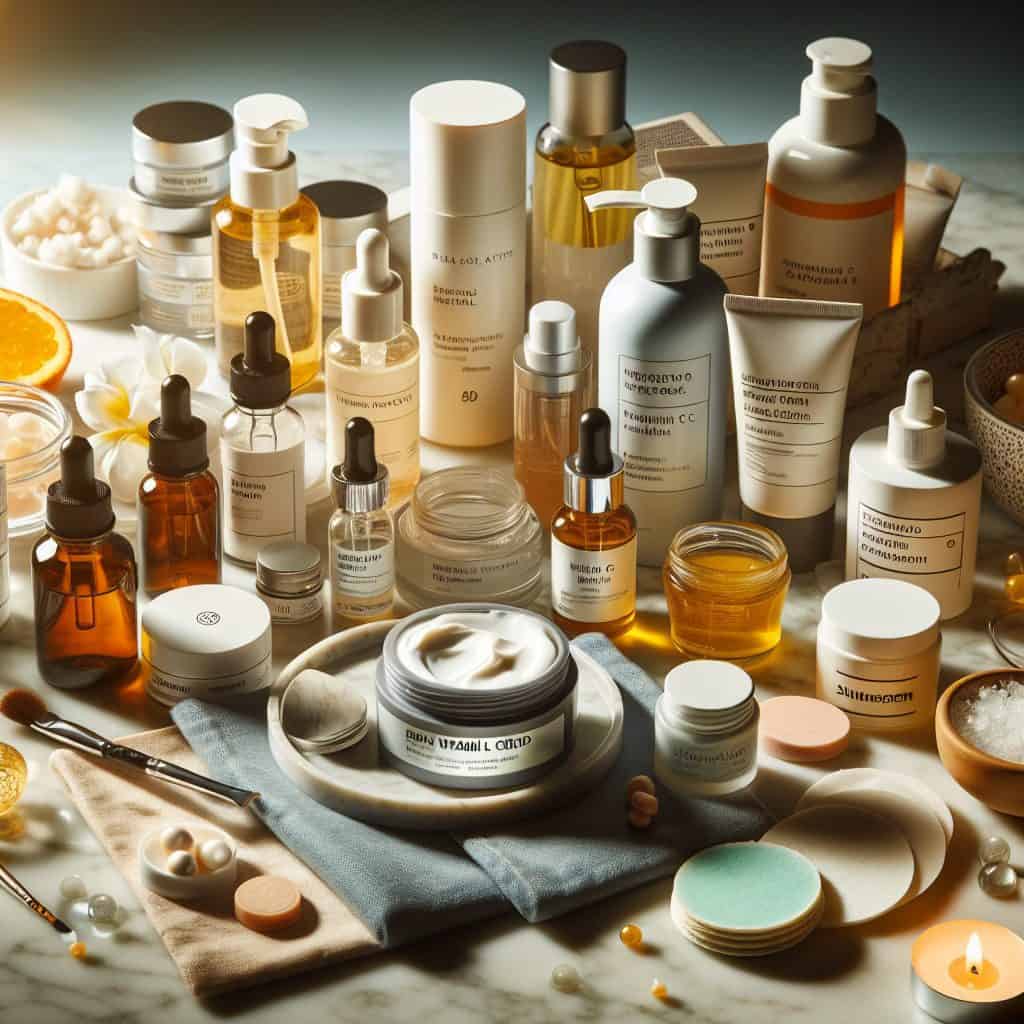


The Best Skincare Ingredients for Nigerian Women Over 40: Unlocking Radiant, Ageless Beauty
For Nigerian women over 40, the skincare journey shifts gears. The concerns that dominated your 20s and 30s – perhaps acne, uneven skin tone from sun exposure, or simply maintaining a youthful glow – evolve to encompass a new set of challenges. These might include fine lines and wrinkles, hyperpigmentation (dark spots), dryness, loss of elasticity, and a generally dull complexion. Genetics, environmental factors, hormonal fluctuations, and cumulative sun damage all play a role. But fear not! Armed with the right knowledge and potent ingredients, Nigerian women can unlock radiant, ageless beauty well into their 40s and beyond.
The key is understanding the unique needs of mature Nigerian skin and choosing ingredients that address those concerns effectively and safely. Nigerian skin, with its higher melanin content, is naturally more prone to hyperpigmentation and can be more sensitive to certain harsh treatments. Therefore, a gentle yet effective approach is crucial. This article will delve into the best skincare ingredients specifically tailored for Nigerian women over 40, providing insights on their benefits, usage, and potential considerations.
1. Hyaluronic Acid: The Hydration Hero
Hydration is the cornerstone of healthy skin at any age, but it becomes even more critical as we mature. Hyaluronic acid (HA) is a humectant, meaning it draws moisture from the environment and binds it to the skin. This powerful ingredient can hold up to 1000 times its weight in water, providing intense hydration and plumping the skin.
Why it’s beneficial for Nigerian women over 40:
- Combats Dryness: As we age, our skin produces less natural oils, leading to dryness and a compromised skin barrier. Hyaluronic acid replenishes moisture, leaving the skin feeling soft, supple, and hydrated.
- Reduces the Appearance of Fine Lines and Wrinkles: By plumping the skin with moisture, hyaluronic acid temporarily minimizes the appearance of fine lines and wrinkles. It doesn’t erase them completely, but it creates a smoother, more youthful look.
- Improves Skin Elasticity: Hydration is essential for maintaining skin elasticity. Hyaluronic acid helps to improve the skin’s ability to bounce back, reducing the appearance of sagging.
- Suitable for all Skin Types: Hyaluronic acid is generally well-tolerated by all skin types, including sensitive skin.
How to Use:
- Look for serums, creams, or masks containing hyaluronic acid.
- Apply after cleansing and toning, while the skin is still slightly damp. This will help the hyaluronic acid draw moisture into the skin.
- Follow with a moisturizer to seal in the hydration.
- Use morning and night for optimal results.
Considerations:
- Choose products with different molecular weights of hyaluronic acid. Lower molecular weight HA can penetrate deeper into the skin, while higher molecular weight HA stays on the surface, providing immediate hydration.
- In very dry environments, hyaluronic acid might draw moisture from the skin instead of the air. In such cases, make sure to apply it over a hydrating toner or essence and seal it in with a rich moisturizer.
2. Vitamin C: The Brightening and Protective Powerhouse
Vitamin C is a potent antioxidant that offers a multitude of benefits for mature skin. It is a powerful brightening agent, collagen booster, and protects the skin from environmental damage.
Why it’s beneficial for Nigerian women over 40:
- Brightens Hyperpigmentation: Vitamin C helps to fade dark spots, sun spots, and other forms of hyperpigmentation, leading to a more even skin tone. This is particularly important for Nigerian skin, which is prone to hyperpigmentation.
- Boosts Collagen Production: Collagen is a protein that provides structure and support to the skin. As we age, collagen production declines, leading to wrinkles and loss of elasticity. Vitamin C stimulates collagen synthesis, helping to improve skin firmness and reduce the appearance of wrinkles.
- Protects Against Free Radicals: Vitamin C is a powerful antioxidant that neutralizes free radicals caused by sun exposure, pollution, and other environmental factors. These free radicals can damage skin cells and accelerate aging.
- Improves Skin Texture: Vitamin C can help to improve skin texture by exfoliating dead skin cells and promoting cell turnover.
How to Use:
- Look for serums containing L-ascorbic acid, the most potent form of vitamin C. Other forms, such as magnesium ascorbyl phosphate and sodium ascorbyl phosphate, are more stable and less irritating, but may be less effective.
- Apply in the morning after cleansing and toning.
- Follow with a sunscreen, as vitamin C can make the skin more sensitive to the sun.
- Start with a low concentration (5-10%) and gradually increase as your skin tolerates it.
Considerations:
- Vitamin C is unstable and can degrade when exposed to air and light. Look for products packaged in opaque, air-tight containers.
- Some people may experience irritation from vitamin C, especially L-ascorbic acid. If you have sensitive skin, start with a lower concentration or choose a less potent form of vitamin C.
- Avoid using vitamin C with products containing niacinamide, as they can react and cause irritation.
3. Retinoids: The Anti-Aging Gold Standard
Retinoids, a class of compounds derived from vitamin A, are considered the gold standard in anti-aging skincare. They work by increasing cell turnover, stimulating collagen production, and reducing the appearance of wrinkles and hyperpigmentation.
Why it’s beneficial for Nigerian women over 40:
- Reduces Wrinkles and Fine Lines: Retinoids stimulate collagen production and accelerate cell turnover, helping to smooth out wrinkles and fine lines.
- Fades Hyperpigmentation: Retinoids can help to fade dark spots and even out skin tone by increasing cell turnover and inhibiting melanin production.
- Improves Skin Texture: Retinoids can help to improve skin texture by exfoliating dead skin cells and promoting cell turnover, leading to smoother, more even skin.
- Treats Acne: While not typically a primary concern for women over 40, retinoids can also help to treat occasional breakouts.
How to Use:
- Start with a low concentration (0.01-0.03%) of retinol or a gentler retinoid like retinyl palmitate or retinaldehyde.
- Apply at night after cleansing and toning, before moisturizer.
- Use only a pea-sized amount for the entire face.
- Start with once or twice a week and gradually increase frequency as your skin tolerates it.
- Always wear sunscreen during the day, as retinoids can make the skin more sensitive to the sun.
Considerations:
- Retinoids can cause dryness, redness, and peeling, especially when first starting. This is known as the "retinol uglies" and is a normal part of the adjustment process.
- To minimize irritation, start with a low concentration and gradually increase frequency. You can also buffer the retinoid by applying it over a moisturizer.
- Avoid using retinoids if you are pregnant or breastfeeding.
- Consult with a dermatologist if you have sensitive skin or are concerned about potential side effects.
- Patience is key! It can take several weeks or months to see noticeable results from retinoids.
4. Niacinamide: The Multi-Tasking Marvel
Niacinamide, also known as vitamin B3, is a versatile ingredient that offers a wide range of benefits for mature skin. It is a potent anti-inflammatory, improves skin barrier function, and helps to reduce the appearance of pores and hyperpigmentation.
Why it’s beneficial for Nigerian women over 40:
- Reduces Redness and Inflammation: Niacinamide has anti-inflammatory properties that can help to reduce redness and inflammation associated with acne, rosacea, and other skin conditions.
- Strengthens the Skin Barrier: Niacinamide helps to strengthen the skin barrier, which is essential for maintaining hydration and protecting the skin from environmental damage. A strong skin barrier can also reduce sensitivity.
- Minimizes Pore Size: Niacinamide can help to reduce the appearance of enlarged pores by regulating sebum production and improving skin elasticity.
- Brightens Hyperpigmentation: Niacinamide can help to fade dark spots and even out skin tone by inhibiting melanin transfer.
- Improves Fine Lines and Wrinkles: Niacinamide can boost collagen production, leading to a reduction in the appearance of fine lines and wrinkles.
How to Use:
- Look for serums, creams, or toners containing niacinamide.
- Apply after cleansing and toning, before moisturizer.
- Use morning and night for optimal results.
- Start with a low concentration (2-5%) and gradually increase as your skin tolerates it.
Considerations:
- Niacinamide is generally well-tolerated by all skin types, but some people may experience mild flushing or redness when first starting. This usually subsides with continued use.
- Avoid using niacinamide with products containing vitamin C, as they can react and cause irritation (although some newer research suggests that this isn’t always the case). If you want to use both ingredients, apply them at different times of the day.
5. Peptides: The Building Blocks of Youthful Skin
Peptides are short chains of amino acids that are the building blocks of proteins, such as collagen and elastin. They can help to stimulate collagen production, improve skin elasticity, and reduce the appearance of wrinkles.
Why it’s beneficial for Nigerian women over 40:
- Stimulates Collagen Production: Different peptides can signal the skin to produce more collagen, which helps to improve skin firmness and reduce the appearance of wrinkles.
- Improves Skin Elasticity: By boosting collagen and elastin production, peptides can help to improve skin elasticity and reduce the appearance of sagging.
- Reduces the Appearance of Wrinkles: Peptides can help to smooth out wrinkles and fine lines by stimulating collagen production and improving skin hydration.
- Soothes and Repairs Skin: Certain peptides have anti-inflammatory and wound-healing properties that can help to soothe and repair damaged skin.
How to Use:
- Look for serums, creams, or masks containing peptides.
- Apply after cleansing and toning, before moisturizer.
- Use morning and night for optimal results.
Considerations:
- There are many different types of peptides, each with its own specific benefits. Look for products containing a blend of different peptides for optimal results.
- Peptides are generally well-tolerated by all skin types, but some people may experience mild irritation.
- It can take several weeks or months to see noticeable results from peptides.
6. AHAs (Alpha Hydroxy Acids): The Gentle Exfoliants
AHAs, such as glycolic acid and lactic acid, are chemical exfoliants that gently remove dead skin cells from the surface of the skin, revealing brighter, smoother skin underneath.
Why it’s beneficial for Nigerian women over 40:
- Improves Skin Texture: AHAs can help to improve skin texture by exfoliating dead skin cells and promoting cell turnover, leading to smoother, more even skin.
- Brightens Hyperpigmentation: AHAs can help to fade dark spots and even out skin tone by increasing cell turnover and removing pigmented cells.
- Reduces the Appearance of Fine Lines: By exfoliating the skin, AHAs can help to reduce the appearance of fine lines and wrinkles.
- Unclogs Pores: AHAs can help to unclog pores, preventing breakouts.
How to Use:
- Look for toners, serums, or masks containing AHAs.
- Start with a low concentration (5-10%) and gradually increase as your skin tolerates it.
- Apply at night after cleansing and toning, before moisturizer.
- Use once or twice a week and gradually increase frequency as your skin tolerates it.
- Always wear sunscreen during the day, as AHAs can make the skin more sensitive to the sun.
Considerations:
- AHAs can cause dryness, redness, and irritation, especially when first starting.
- To minimize irritation, start with a low concentration and gradually increase frequency. You can also buffer the AHA by applying it over a moisturizer.
- Glycolic acid is a more potent AHA and can be more irritating than lactic acid.
- Avoid using AHAs if you have very sensitive skin or are prone to irritation.
7. Ceramides: The Skin Barrier Repairers
Ceramides are lipids (fats) that naturally occur in the skin and play a crucial role in maintaining the skin barrier. As we age, ceramide levels decline, leading to dryness, irritation, and a compromised skin barrier.
Why it’s beneficial for Nigerian women over 40:
- Strengthens the Skin Barrier: Ceramides help to strengthen the skin barrier, which is essential for maintaining hydration and protecting the skin from environmental damage.
- Reduces Dryness and Irritation: By replenishing ceramide levels, ceramides can help to reduce dryness, irritation, and sensitivity.
- Improves Skin Hydration: Ceramides help to lock in moisture, keeping the skin hydrated and supple.
- Reduces the Appearance of Fine Lines: By improving skin hydration and elasticity, ceramides can help to reduce the appearance of fine lines.
How to Use:
- Look for moisturizers, serums, or creams containing ceramides.
- Apply after cleansing and toning, before sunscreen.
- Use morning and night for optimal results.
Considerations:
- Ceramides are generally well-tolerated by all skin types, including sensitive skin.
- Look for products containing a blend of different types of ceramides for optimal results.
8. Antioxidants (Beyond Vitamin C): The Free Radical Fighters
While Vitamin C is a powerful antioxidant, incorporating a variety of antioxidants into your skincare routine can provide even greater protection against free radical damage.
Examples of other beneficial antioxidants:
- Vitamin E (Tocopherol): A powerful antioxidant that helps to protect the skin from free radical damage and improve hydration.
- Green Tea Extract: Rich in antioxidants that protect the skin from sun damage and reduce inflammation.
- Resveratrol: An antioxidant found in grapes and red wine that protects the skin from free radical damage and promotes collagen production.
- Coenzyme Q10 (CoQ10): An antioxidant that helps to improve skin elasticity and reduce the appearance of wrinkles.
Why they’re beneficial for Nigerian women over 40:
- Protect Against Free Radical Damage: Antioxidants neutralize free radicals caused by sun exposure, pollution, and other environmental factors.
- Reduce Inflammation: Many antioxidants have anti-inflammatory properties that can help to soothe and calm irritated skin.
- Brighten Skin Tone: Some antioxidants can help to brighten skin tone and fade hyperpigmentation.
- Promote Collagen Production: Certain antioxidants can stimulate collagen production, improving skin firmness and reducing the appearance of wrinkles.
How to Use:
- Look for serums, creams, or masks containing antioxidants.
- Apply after cleansing and toning, before moisturizer.
- Use morning and night for optimal results.
Considerations:
- Antioxidants are generally well-tolerated by all skin types.
- Look for products containing a blend of different antioxidants for optimal results.
By incorporating these potent ingredients into your skincare routine, Nigerian women over 40 can effectively address the challenges of mature skin and unlock a radiant, ageless complexion. Remember to be patient, consistent, and always prioritize sun protection.