
The Best Facials for Clearing Abuja Dust From Your Pores: A Guide to Radiant Skin
Abuja, a city of vibrant life and stunning landscapes, also presents a unique skincare challenge: dust. The Harmattan winds and the city’s rapid development combine to create a persistent layer of fine particulate matter that settles on everything, including our skin. This ubiquitous dust, often a cocktail of sand, construction debris, and vehicle emissions, penetrates deep into pores, leading to clogged skin, dullness, breakouts, and accelerated aging. Thankfully, a variety of facials are designed to combat these effects, offering a pathway to clearer, healthier, and more radiant skin. This guide will explore the best facial treatments available in Abuja to effectively clear dust from your pores, considering different skin types and addressing common concerns.
Understanding the Enemy: The Impact of Abuja Dust on Your Skin
Before delving into specific facial treatments, it’s crucial to understand the detrimental effects of Abuja dust on your skin:
- Clogged Pores and Breakouts: Dust particles mix with sebum (natural skin oil), dead skin cells, and sweat, creating a sticky plug that obstructs pores. This blockage leads to the formation of blackheads, whiteheads, and inflammatory acne.
- Dullness and Uneven Skin Tone: The buildup of dust on the skin’s surface prevents light from reflecting evenly, resulting in a dull, lackluster complexion. Over time, dust particles can contribute to uneven skin tone and pigmentation.
- Dehydration and Dryness: Some dust particles can absorb moisture from the skin, leading to dehydration and dryness, especially during the Harmattan season. Dry skin is more susceptible to irritation and inflammation.
- Premature Aging: Dust particles contain free radicals, unstable molecules that damage skin cells and contribute to the breakdown of collagen and elastin, leading to premature wrinkles, fine lines, and sagging skin.
- Increased Sensitivity and Irritation: The abrasive nature of dust can irritate sensitive skin, causing redness, itching, and inflammation. Individuals with existing skin conditions like eczema or rosacea may experience flare-ups.
Therefore, regular and targeted facial treatments are not merely a luxury in Abuja, but a necessity for maintaining healthy and vibrant skin.
Facial Options: Your Arsenal Against Abuja Dust
Now, let’s explore the best facial treatments to combat the effects of Abuja dust, considering various skin types and concerns:
1. Deep Cleansing Facial:
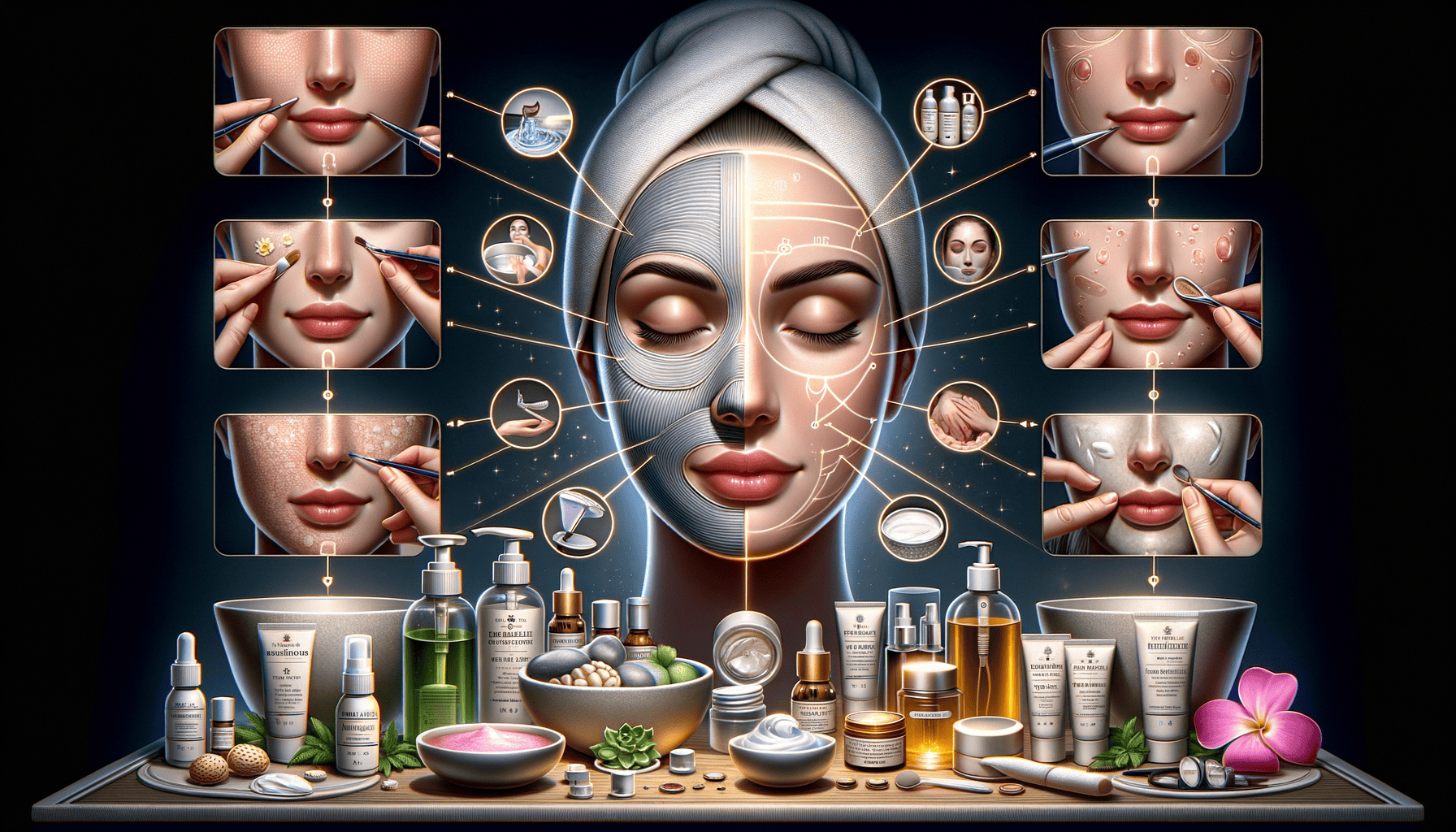
This is the foundational facial for addressing dust-clogged pores. It focuses on thorough cleansing, exfoliation, and extraction to remove impurities and debris from the skin’s surface and pores.
- Process: A deep cleansing facial typically involves:
- Consultation and Skin Analysis: A professional aesthetician assesses your skin type, concerns, and sensitivity levels to tailor the treatment.
- Cleansing: A thorough cleansing with a gentle but effective cleanser removes surface dirt, oil, and makeup.
- Steaming: A warm steam machine softens the pores, making extractions easier and less painful.
- Exfoliation: This crucial step removes dead skin cells, revealing a brighter and smoother complexion. Exfoliation can be achieved through:
- Mechanical Exfoliation: Using scrubs with fine granules (like sugar or rice bran) to physically buff away dead skin cells. This is generally suitable for normal to oily skin.
- Chemical Exfoliation: Using gentle acids like glycolic or salicylic acid to dissolve the bonds between dead skin cells. This is often preferred for sensitive or acne-prone skin.
- Extraction: A skilled aesthetician manually extracts blackheads, whiteheads, and other impurities from the pores. This should always be performed by a professional to avoid scarring or infection.
- Mask: A clay mask or charcoal mask is often applied to further draw out impurities and absorb excess oil.
- Toner: A toner helps to balance the skin’s pH and prepare it for moisturization.
- Moisturizer: A lightweight, non-comedogenic moisturizer hydrates the skin without clogging pores.
- Sunscreen: Essential for protecting the freshly cleansed skin from sun damage.
- Ideal For: All skin types, but particularly beneficial for oily, acne-prone, and congested skin.
- Frequency: Once a month or every 6 weeks, depending on the severity of congestion.
- Considerations: Choose an aesthetician with experience in extractions to minimize discomfort and potential scarring.
2. Hydrafacial:
This innovative facial combines cleansing, exfoliation, extraction, hydration, and antioxidant protection in a single treatment. It utilizes a patented vortex-fusion technology to deliver these benefits effectively and comfortably.
- Process:
- Cleansing and Exfoliation: A specialized tip removes surface debris and exfoliates the skin.
- Acid Peel: A gentle glycolic and salicylic acid peel loosens debris from pores.
- Extraction: A vacuum-powered extraction tip painlessly removes blackheads, whiteheads, and impurities.
- Hydration: A proprietary serum infused with antioxidants, peptides, and hyaluronic acid is delivered to hydrate and nourish the skin.
- Fusion: The vortex-fusion technology infuses the skin with these beneficial ingredients.
- Ideal For: All skin types, including sensitive skin. Excellent for addressing dullness, dryness, fine lines, and acne.
- Frequency: Once a month for optimal results.
- Considerations: Hydrafacials are generally more expensive than traditional deep cleansing facials, but the results are often more noticeable and long-lasting.
3. Microdermabrasion:
This treatment utilizes a diamond-tipped wand or crystals to exfoliate the skin’s surface, removing dead skin cells and unclogging pores. It’s a more aggressive form of exfoliation than scrubs or gentle chemical peels.
- Process:
- Cleansing: The skin is cleansed to remove surface dirt and makeup.
- Microdermabrasion: A handheld device gently abrades the skin’s surface, removing the outermost layer of dead skin cells.
- Moisturizer and Sunscreen: A moisturizer and sunscreen are applied to protect and hydrate the skin.
- Ideal For: Normal to oily skin with minimal sensitivity. Effective for improving skin texture, reducing the appearance of fine lines, and minimizing pore size.
- Frequency: Every 2-4 weeks, depending on skin sensitivity and desired results. A series of treatments is often recommended for optimal improvement.
- Considerations: Microdermabrasion can cause temporary redness and sensitivity. It’s not recommended for individuals with active acne, rosacea, or eczema. Sunscreen is crucial after this treatment.
4. Chemical Peels:
Chemical peels use acids of varying strengths to exfoliate the skin, revealing a smoother, brighter, and more even-toned complexion. They can effectively unclog pores, reduce acne, and improve skin texture.
- Types of Chemical Peels:
- Light Peels (e.g., Glycolic, Salicylic, Lactic Acid): These peels are mild and require little to no downtime. They are effective for treating superficial concerns like dullness, mild acne, and uneven skin tone.
- Medium Peels (e.g., TCA Peels): These peels penetrate deeper into the skin and can address more significant concerns like deeper wrinkles, acne scars, and hyperpigmentation. They typically require a few days of downtime.
- Deep Peels (e.g., Phenol Peels): These peels are the strongest and require significant downtime. They are rarely used due to the potential for complications and are reserved for severe skin conditions.
- Process:
- Consultation and Skin Analysis: A dermatologist or aesthetician assesses your skin and determines the appropriate peel strength and type.
- Preparation: The skin is cleansed and prepped to ensure even penetration of the peel.
- Application: The chemical peel solution is applied to the skin and left on for a specific amount of time.
- Neutralization: The peel is neutralized to stop the exfoliating process.
- Post-Peel Care: A moisturizer and sunscreen are applied, and you are provided with instructions for post-peel care.
- Ideal For: Various skin types and concerns, depending on the type and strength of the peel. Light peels are generally suitable for most skin types, while stronger peels require more careful consideration.
- Frequency: Depends on the type of peel. Light peels can be performed every 2-4 weeks, while medium peels are typically performed every few months.
- Considerations: Chemical peels can cause redness, peeling, and sensitivity. It’s crucial to follow post-peel care instructions carefully and avoid sun exposure. Always consult with a qualified dermatologist or aesthetician before undergoing a chemical peel.
5. Enzyme Facials:
Enzyme facials utilize natural enzymes from fruits like papaya, pineapple, and pumpkin to gently exfoliate the skin and dissolve dead skin cells. They are a gentler alternative to chemical peels and microdermabrasion.
- Process:
- Cleansing: The skin is cleansed to remove surface dirt and makeup.
- Enzyme Application: The enzyme mask is applied to the skin and left on for a specific amount of time.
- Removal: The enzyme mask is removed, and the skin is rinsed.
- Toner and Moisturizer: A toner and moisturizer are applied to balance and hydrate the skin.
- Ideal For: Sensitive skin, dry skin, and individuals who are new to exfoliation.
- Frequency: Every 1-2 weeks.
- Considerations: Enzyme facials are less aggressive than chemical peels or microdermabrasion, so the results may be more subtle. However, they are a great option for those with sensitive skin who cannot tolerate harsher treatments.
6. Oxygen Facial:
This facial utilizes pressurized oxygen to deliver serums rich in antioxidants, vitamins, and hyaluronic acid deep into the skin. It helps to hydrate, plump, and brighten the complexion.
- Process:
- Cleansing: The skin is cleansed to remove surface dirt and makeup.
- Oxygen Infusion: A handheld device delivers pressurized oxygen and serums to the skin.
- Moisturizer and Sunscreen: A moisturizer and sunscreen are applied to protect and hydrate the skin.
- Ideal For: All skin types, especially those looking for a quick boost of hydration and radiance.
- Frequency: As needed for a special event or as part of a regular skincare routine.
- Considerations: Oxygen facials are generally safe and well-tolerated. They provide a temporary boost to the skin’s appearance, but the results are not permanent.
Choosing the Right Facial for Your Skin:
Selecting the right facial for your skin type and concerns is crucial for achieving optimal results and avoiding adverse reactions. Here’s a general guideline:
- Oily/Acne-Prone Skin: Deep cleansing facials, Hydrafacials, microdermabrasion, and salicylic acid peels are all excellent options for unclogging pores, controlling oil production, and reducing breakouts.
- Dry/Sensitive Skin: Enzyme facials, Hydrafacials (with gentle settings), and light lactic acid peels are better suited for dry and sensitive skin. Avoid harsh scrubs and strong chemical peels.
- Normal/Combination Skin: Deep cleansing facials, Hydrafacials, and light glycolic acid peels are all good choices for maintaining healthy and radiant skin.
- Mature Skin: Hydrafacials, microdermabrasion, and chemical peels can help to improve skin texture, reduce the appearance of fine lines and wrinkles, and boost collagen production.
Beyond the Facial: Maintaining Clear Skin in Abuja
While facials are an effective way to clear dust from your pores, maintaining clear skin in Abuja requires a comprehensive skincare routine that includes:
- Daily Cleansing: Use a gentle cleanser morning and night to remove dirt, oil, and makeup.
- Regular Exfoliation: Exfoliate 1-2 times per week to remove dead skin cells and prevent clogged pores.
- Hydration: Drink plenty of water and use a hydrating moisturizer to keep your skin moisturized.
- Sun Protection: Apply sunscreen with an SPF of 30 or higher every day, even on cloudy days.
- Antioxidant Serum: Use a serum containing antioxidants like vitamin C to protect your skin from free radical damage.
- Protective Measures: Consider wearing a face mask or scarf when exposed to high levels of dust. Avoid touching your face throughout the day.
By combining regular professional facials with a consistent and effective skincare routine, you can effectively combat the effects of Abuja dust and achieve clear, healthy, and radiant skin. Always consult with a qualified aesthetician or dermatologist to determine the best treatment plan for your specific skin type and concerns.