

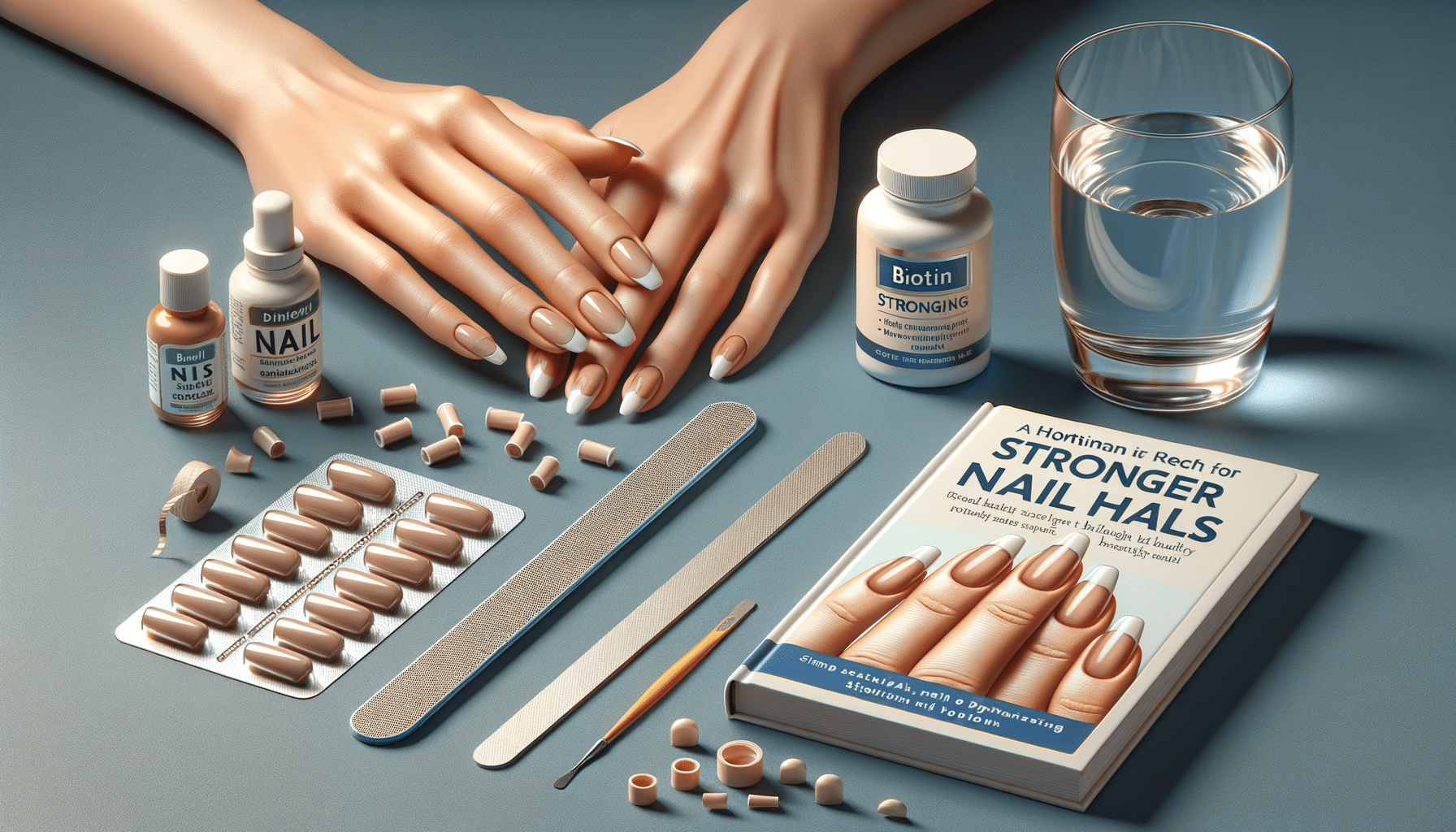
Achieving strong, healthy nails may seem like a daunting task, but it can be accomplished with a few straightforward lifestyle adjustments and care routines. Whether your nails are prone to splitting, peeling, or breaking entirely, you can strengthen them and make them more aesthetically pleasing with some dedicated attention. In this article, we will delve into actionable steps that anyone can adopt to improve their nail health significantly.
Understanding Nail Structure
Before we delve into the practical steps for strengthening your nails, it’s essential to understand their structure. Nails are made of a protein called keratin, which is the same substance that forms our hair and skin. Each nail consists of several parts:
- Matrix: The tissue under the base of your nail, where new cells are produced.
- Nail Plate: The visible portion of the nail that is made of hardened keratin.
- Cuticle: The tissue that overlaps the nail plate and protects the matrix.
- Nail Bed: The skin beneath your nail plate.
Understanding these components can help you target specific areas for care and protection.
Nutrition: The Foundation of Strong Nails
Balanced Diet
A diet rich in essential nutrients is the cornerstone of nail health. Just like your hair and skin, your nails benefit from a balanced diet that includes proteins, fats, vitamins, and minerals.
Key Nutrients
-
Biotin: This B vitamin is crucial for maintaining your nails’ strength. Foods rich in biotin include eggs, nuts, seeds, and sweet potatoes. A supplement may also be beneficial, but consult a healthcare provider first.
-
Protein: Since nails are made of keratin, adequate protein intake is necessary. Lean meats, fish, dairy, legumes, and tofu are excellent sources.
-
Zinc: This mineral plays a vital role in cell growth and repair. Oysters, beef, pumpkin seeds, and lentils are rich in zinc.
-
Iron: Iron deficiency can lead to brittle nails. Incorporate red meats, lentils, spinach, and fortified cereals into your diet to improve iron levels.
- Omega-3 Fatty Acids: These are essential for nail hydration. Foods such as salmon, flaxseeds, and walnuts are excellent sources.
Stay Hydrated
Hydration is pivotal for overall health and nail care. Dry nails can be brittle, leading to breakage. Drink plenty of water throughout the day to keep your body and nails hydrated.
Nail Care Routine
Gentle Cleaning
Your nails need regular cleaning to remove debris and toxins, but harsh chemicals can weaken them. Use a mild soap and a soft brush to clean beneath your nails. Avoid using your nails as tools; this can cause damage.
Moisturizing
Just like your skin, your nails require hydration. Applying a moisturizing lotion or oil to your nails and cuticles daily can prevent dryness and brittleness. Look for products that contain nourishing ingredients such as:
- Jojoba Oil: Mimics the natural oils in your skin.
- Vitamin E Oil: Known for its antioxidant properties, it helps nourish and protect nails.
- Shea Butter: Provides intense hydration and protection.
Proper Trimming and Filing
Regular nail maintenance is vital. Keeping your nails at a manageable length and shape reduces the risk of breakage.
- Trimming: Use sharp, clean scissors or clippers to avoid splitting.
- Filing: Use a gentle nail file to smooth edges. Avoid metal files; opt for glass or crystal files, which are less damaging.
Cuticle Care
Your cuticles play a vital role in protecting the nail matrix from infection. Instead of cutting them, gently push them back with a soft cuticle pusher. Applying cuticle oil can keep them hydrated.
Lifestyle Changes for Nail Health
Avoid Harmful Habits
Certain habits can lead to weakened nails. Here are some to avoid:
- Bitten Nails: Biting can cause damage to the nail bed. Consider using a bitter-tasting nail polish designed to deter this habit.
- Excessive Water Exposure: Prolonged exposure to water, especially hot water, can weaken nails. Wear gloves when washing dishes or cleaning.
Limit Exposure to Chemicals
Household cleaners and beauty products can contain harsh chemicals that weaken nails. When possible, use natural alternatives or wear gloves to protect your hands and nails.
Choose Non-Toxic Nail Products
When it comes to nail polish or treatments, opt for non-toxic versions free from harmful chemicals like formaldehyde, toluene, and dibutyl phthalate, which can degrade nail health.
Treatments for Damaged Nails
If your nails are already damaged, targeted treatments can help rejuvenate them.
Nail Strengthening Treatments
Look for nail strengtheners that contain the following ingredients:
- Keratin: Can help reinforce the natural structure of nails.
- Calcium: Strengthens nails and helps prevent breakage.
- Hydrolyzed Wheat Protein: Helps bind moisture to the nails, making them less prone to damage.
Home Remedies
In addition to commercial products, there are numerous home remedies you can try for strengthening nails.
- Olive Oil Soak: Soak nails in warm olive oil for 10-15 minutes to promote hydration and strength.
-
Lemon Juice and Olive Oil: Mixing the two can provide nail-strengthening benefits. Apply the mixture to your nails and let it sit for around 30 minutes before rinsing.
- Vinegar: A vinegar soak can help to strengthen nails and combat fungal infections.
Regular Breaks from Nail Polish
Using nail polish regularly can cause discoloration and weaken nails. Give your nails a break between applications. During this time, prioritize nourishing treatments like oils and serums.
Handling Nail Health Issues
If you’re experiencing persistent nail problems, you may need to consult a healthcare professional. Conditions like fungal infections or nail psoriasis require specialized treatment.
Fungal Infections
If you suspect a fungal infection, look for signs such as discoloration, thickening, or brittleness. Over-the-counter antifungal treatments or prescribed medications can help clear these infections.
Chronic Brittle Nails
Chronic brittle nails could signify an underlying health issue, such as hypothyroidism or nutrient deficiencies. Consult a healthcare provider for proper diagnosis and treatment.
Protecting Your Nails in Different Environments
Seasonal Care
Different seasons can affect your nails differently. In winter, cold, dry air can lead to dried out nails. Use a humidifier indoors to combat this. In summer, be cautious of harsh sun exposure; applying sunscreen to your hands can help prevent nail degradation.
Travel Tips
If you travel frequently, keep a small nail maintenance kit in your luggage. Include a gentle nail file, cuticle oil, and a mini hand cream to stay consistent with your nail care routine.
Occupational Precautions
If your job involves using your hands frequently or working with harsh materials, consider protective gloves to safeguard your nails from potential harm.
Maintaining the health and strength of your nails is not merely cosmetic; it’s a reflection of your overall well-being. Following these simple steps can lead to stronger, healthier nails that can withstand the test of time and fulfill their purpose without damage. Embrace these practices as essential components of your daily routine, and you’ll be well on your way to boasting nails that are not just beautiful but also robust.