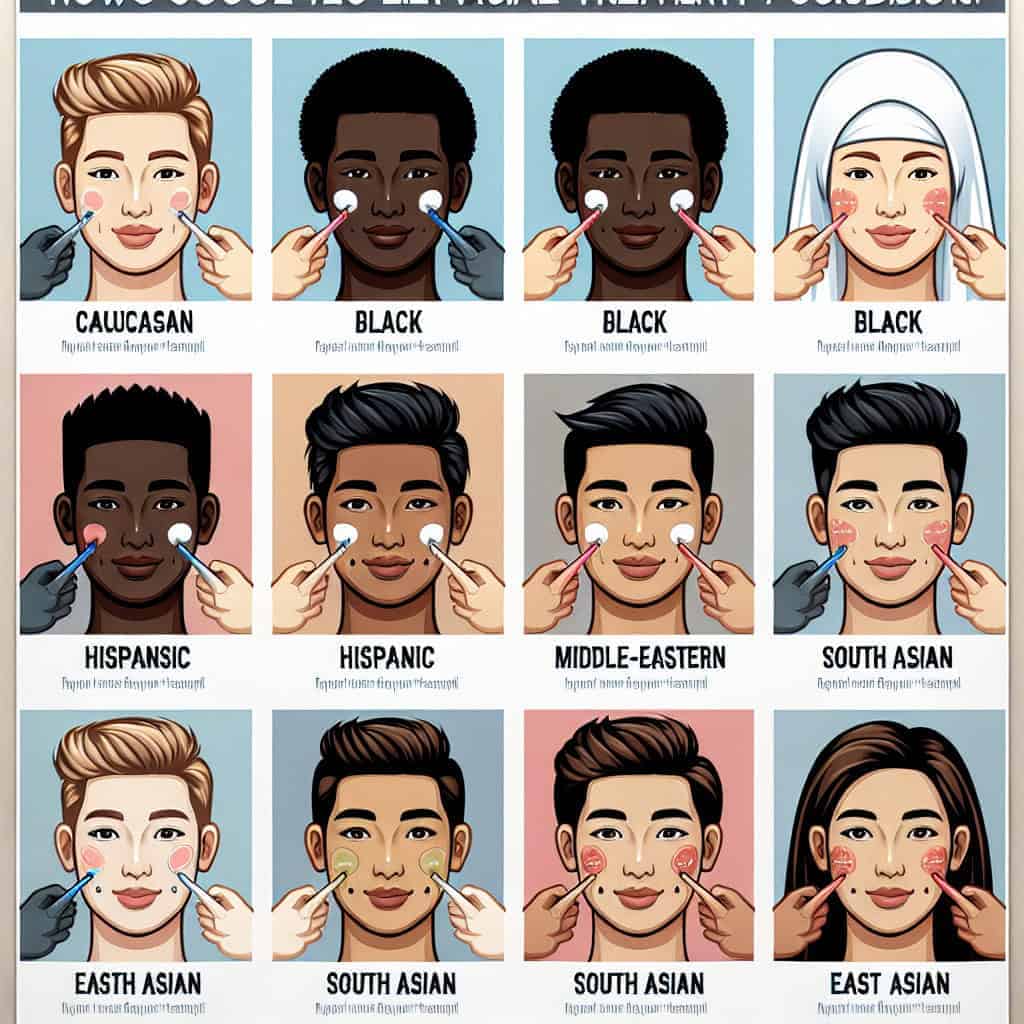


Sensitive skin can be a perplexing challenge. With conditions often ranging from redness and itching to burning sensations, finding the right facial treatment can feel like an uphill battle. Fortunately, the world of skincare offers a plethora of options, primarily grouped into two categories: natural and clinical treatments. Each has its own advantages and drawbacks, making it essential to explore both realms to discover what works best for you.
Understanding Sensitive Skin
Before diving into treatment options, it’s crucial to understand what sensitive skin is and what causes it. This skin type can react to various environmental and cosmetic triggers, including temperature changes, allergens, irritants, and even stress. Common conditions associated with sensitive skin include rosacea, eczema, and contact dermatitis. Hence, selecting products that soothe and strengthen the skin barrier is essential for any effective treatment plan.
Natural Treatments: Pure and Gentle
Natural facial treatments for sensitive skin typically include products with organic and minimal ingredients. They focus on nurturing the skin with nature’s bounty instead of harsh chemicals. Here are some of the best natural options:
1. Plant Oils
- Jojoba Oil: Similar in composition to the skin’s natural oils, it helps to moisturize without clogging pores.
- Avocado Oil: Rich in fatty acids and vitamins, it supports the skin barrier while calming inflammation.
2. Herbal Extracts and Essential Oils
- Chamomile: Known for its anti-inflammatory properties, chamomile can soothe redness and irritation.
- Calendula: This flower extract is celebrated for its healing abilities, helping to repair the skin barrier.
3. Honey and Oatmeal Masks
- Honey: It’s a natural humectant and has antibacterial properties, making it perfect for calming and healing.
- Oatmeal: Colloidal oatmeal is excellent for reducing irritation and can be used in masks to relieve itching.
4. Aloe Vera
With its cooling sensation and rich nutrient profile, aloe vera gel can effectively calm irritated skin, making it a staple for sensitive skin treatment.
Pros and Cons of Natural Treatments
Pros: Generally less irritating and often free from synthetic fragrances and preservatives, making them suitable for those with allergies or sensitivities.
Cons: Results can be slower than clinical treatments, and the efficacy might vary from person to person.
Clinical Treatments: Science-Backed Solutions
For those seeking quicker results or suffering from more severe conditions, clinical facial treatments may be the answer. These typically involve dermatological products and professional procedures designed to target specific skin issues.
1. Prescription Topicals
- Corticosteroids: These can reduce inflammation quickly but should be used under a doctor’s supervision to avoid thinning of the skin.
- Calcineurin Inhibitors: These are effective treatments for eczema and dermatitis without the side effects of steroids.
2. Chemical Peels (Gentle Forms)
Milder peels using alpha hydroxy acids (AHAs) can exfoliate dead skin cells and promote renewal without causing irritation.
3. Laser Treatments
Certain laser therapies, like pulsed dye lasers, can effectively treat conditions like rosacea by targeting enlarged blood vessels in a non-invasive manner.
4. Microneedling
This procedure creates tiny punctures in the skin to stimulate collagen production and improve texture and tone, making it beneficial for sensitive skin when done correctly.
Pros and Cons of Clinical Treatments
Pros: Often deliver quicker and more noticeable results, especially for persistent skin issues.
Cons: May involve side effects, require downtime, and can be more costly than natural treatments.
The Best Path for Sensitive Skin
When exploring treatments for sensitive skin, the choice between natural and clinical options depends on individual preferences, skin conditions, and the desired outcome. Here are some tips for making the right choice:
-
Know Your Triggers: Keep a journal to identify what irritates your skin before trying new treatments.
-
Patch Testing: Always perform patch tests when trying new products, whether natural or clinical.
-
Consult a Professional: A dermatologist can provide personalized recommendations based on your specific skin needs.
- Balance: Consider incorporating both natural and clinical approaches into your skincare routine based on what works best for you.
Ultimately, the best facial treatment for sensitive skin is one that considers the unique aspects of your skin’s sensitivity while promoting healing and resilience. Whether you lean towards natural or clinical treatments, the goal remains the same: to achieve healthier, happier skin that feels as good as it looks.