

Deciding on a massage service can be overwhelming, especially with the variety of options available today. With each type of massage designed to address different physical and emotional needs, understanding what you’re looking for can make all the difference in your experience. Whether you’re seeking relaxation, pain relief, or rehabilitation, this guide will help you navigate through the choices.
1. Identifying Your Needs
Understanding Your Body’s Signals
Before diving into specific types of massage services, it’s crucial to assess what your body is telling you. Are you feeling muscle tension? Do you have chronic pain in certain areas? Or are you simply looking to unwind after a stressful week? Taking a few moments to identify your body’s signals will lead you to a more tailored experience.
- Tension or Stiffness: If you experience tightness in specific muscle groups, deep tissue or sports massage might be beneficial.
- Chronic Pain: A myofascial release or trigger point therapy can help alleviate persistent pain by addressing muscle and fascia restrictions.
- Stress Reduction: If your goal is primarily relaxation, a Swedish or aromatherapy massage may be more appealing.
Physical and Emotional Considerations
Physical needs are only one aspect of the equation. Emotional wellness is equally important. If you’ve been under stress, dealing with anxiety, or simply need self-care, consider how different massage styles can help.
- Stress and Anxiety Relief: Techniques like Swedish massage or Reiki focus on promoting relaxation and emotional equilibrium.
- Mind-Body Connection: Integrative therapies such as Thai massage encourage both mental and physical release.
2. Types of Massage Services
Swedish Massage
This is one of the most well-known types of massage, characterized by long, flowing strokes. It’s fantastic for those looking to relax, improve circulation, and rejuvenate the body. A Swedish massage typically incorporates techniques like effleurage (gliding strokes), petrissage (kneading), friction, and gentle stretching.
- Best For: Overall relaxation, tension relief, and stress reduction.
- When to Choose: After a long week, or when you’re feeling particularly overwhelmed.
Deep Tissue Massage
Deep tissue massage targets deeper layers of muscle and connective tissue, making it ideal for those with chronic aches and pains. The therapist employs slower strokes and targeted pressure to release tension in the fascia.
- Best For: Chronic pain, areas of muscle stiffness, and sports injuries.
- When to Choose: If you have a specific pain point or muscle tightness that needs addressing.
Sports Massage
Designed for athletes, sports massage focuses on preventing and treating injuries. It combines various techniques to optimize performance, reduce muscle soreness, and improve flexibility. It can be performed pre or post-event and might use techniques similar to deep tissue massage along with stretching.
- Best For: Athletes or active individuals looking to enhance performance or recover from injuries.
- When to Choose: Before or after competitions, or if you’re training intensively.
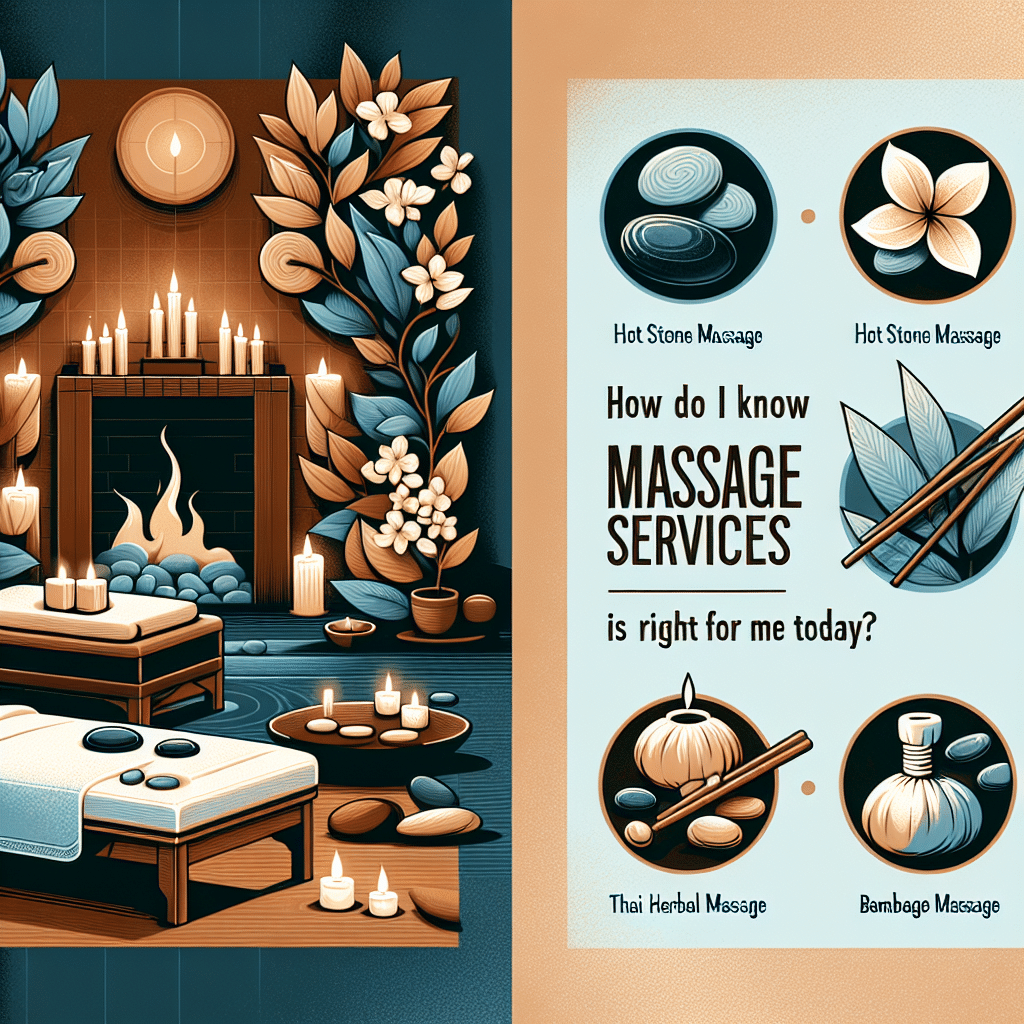
Hot Stone Massage
Incorporating heated stones, this massage helps relax muscles and improve blood flow. The warmth of the stones allows the therapist to apply deeper pressure without discomfort.
- Best For: Muscle tension, relaxation, and promoting energy flow.
- When to Choose: When you want to experience something unique or when battling stress and muscle tightness.
Aromatherapy Massage
This massage incorporates essential oils to enhance relaxation and boost emotional wellness. The types of oils used can be selected based on your specific needs, making it a personalized experience.
- Best For: Stress relief, emotional balancing, and soothing sore muscles.
- When to Choose: When you’re seeking relaxation and emotional healing.
Thai Massage
Thai massage employs techniques involving stretching and acupressure. The therapist uses their body weight to manipulate positions, creating a unique blend of assisted yoga and massage.
- Best For: Increased flexibility, energy restoration, and muscle tension release.
- When to Choose: When you’re open to active participation and want a more invigorating experience.
Myofascial Release
This specialized technique targets the fascia, the connective tissue that surrounds muscles. It aims to release tension and restore movement, particularly for individuals with chronic pain or restricted motion.
- Best For: Chronic pain, tension in specific areas, and postural issues.
- When to Choose: When other techniques haven’t provided relief, or for rehabilitative purposes.
3. Considering Your Preferences
Personal Comfort Levels
Everyone has different comfort levels with touch and intimacy. Some people may prefer more pressure, while others may find even light touch uncomfortable. Be sure to communicate your preferences upfront to ensure an enjoyable experience.
- Pressure Preferences: Always discuss any pain or discomfort experienced during the session. Your therapist can adjust their techniques accordingly.
- Privacy and Comfort: Ensure you’re comfortable with the setting and how your body is draped during the session. Some clients feel more at ease in a private room versus an open space.
Sensitivities and Allergies
When choosing an aromatherapy massage, be particularly aware of any sensitivities or allergies. Essential oils can cause skin reactions or interfere with certain medical conditions.
- Consulting Your Therapist: Always disclose any allergies or sensitivities to your therapist so they can provide a safe and enjoyable experience.
4. Exploring Local Services
Researching Local Options
Once you’ve determined your needs and preferences, it’s time to explore available services in your area. Look for well-reviewed spas, wellness centers, or independent massage therapists with strong reputations.
- Online Reviews: Websites like Yelp or Google can offer insight into the experiences of previous clients.
- Professional Credentials: Ensure the therapist holds appropriate certifications and training. Checking qualifications can give you peace of mind regarding their expertise.
Visiting Spas vs. Independent Therapists
While spas offer a wide range of massage services with a luxurious experience, independent therapists may provide a more personalized approach.
- Pros of Spas: Variety of options, often a soothing atmosphere, and additional amenities like saunas or relaxation lounges.
- Pros of Independent Therapists: Usually more personalized and potentially better pricing without the overhead costs associated with spas.
5. Trial and Feedback
Be Open to Experimentation
It may take time to find the perfect massage service for you. Don’t hesitate to try different styles until you find what resonates. Each session can provide insight into what your body enjoys and responds to.
- Trial and Error: Don’t be disheartened if your first choice doesn’t hit the mark. Each type of massage has unique benefits that cater to specific needs.
Providing Feedback
After your session, providing feedback to the therapist is essential for both you and future clients. If they didn’t meet your expectations, communicating this can help them adjust their approach in future sessions.
- Post-Session Conversations: Take time after the session to discuss what worked well and what could be improved. This feedback loop is vital for an effective therapeutic relationship.
6. Making the Most of Your Experience
Preparing for Your Session
Before you head into your massage, there’s a few things you can do to enhance your experience.
- Hydrate Yourself: Drink water before and after your massage to help flush out toxins released during the session.
- Arrive Early: Give yourself time to relax in the environment before your appointment. This can help you transition into a more relaxed state.
Maintaining the Benefits
Massage doesn’t have to be an isolated experience. Integrating it into your regular health routine can amplify its benefits.
- Regular Visits: Consider establishing a regular schedule that caters to your needs, like monthly massages for maintenance or weekly sessions for more intensive pain relief.
- Complementary Practices: Engage in complementary practices like yoga, meditation, or stretching to maintain the benefits of your sessions.
In today’s fast-paced world, the decision to engage in massage therapy should be well thought out, centered around your personal needs and preferences. By taking the time to assess your body’s signals, exploring various types of massage, and communicating openly with your therapist, you can discover the ideal service that resonates with you, leading to enhanced wellness and relaxation.
Luxor Spa Salon | Best Spa & Wellness Center in Abuja Home
Related Posts
 Why Your Body Needs Regular Wellness Services Including A Signature Deep Tissue Massage Services
 Which Massage Services Will Relieve Your Stress Today At The Best Abuja Spa
 Why Luxor Is The Top Choice For Pedicure Services In Abuja
 7 Reasons To Choose Luxor For All Your Wellness Services Needs In Abuja
 How To Get The Best Hygienic Pedicure Services In Abuja Nigeria Today
 Why Expert Facials Services Are Key To Your Overall Wellness Services Plan In Abuja
 Why Getting Regular Manicure Services Boosts Your Confidence
 Why Investing In Premium Facials Services Prevents Early Aging