


When it comes to nail enhancements, the choice between gel and acrylic nails is one of the most debated topics in the beauty industry. Both options have their unique properties, benefits, and drawbacks, making the decision challenging for both beginners and seasoned nail enthusiasts. Understanding the key differences between gel and acrylic nails, their application processes, maintenance requirements, and overall characteristics is essential in determining which option is the right fit for you.
What Are Acrylic Nails?
Acrylic nails have been a staple in the nail salon industry for decades. This technology uses a combination of liquid monomer and a polymer powder to create a hard protective layer over the natural nails. The resulting product can extend the length of the nails, add durability, and allow for intricate designs and shapes.
Application Process
The application process for acrylic nails begins with a thorough nail prep. Initially, the natural nails undergo cleaning and buffing to ensure a solid foundation. A primer is then applied to help the acrylic adhere better.
Once prepared, the technician mixes the liquid monomer and powder to form a dough-like consistency. This mixture is then carefully applied to the natural nails using a brush to form the desired shape and length. Once applied, the acrylic begins to harden and cure upon exposure to air.
The complete process can take anywhere from 30 to 90 minutes, depending on the desired length and design complexity.
Characteristics
Acrylic nails are known for their strength and durability. They can withstand everyday wear and tear and are less prone to chipping or breaking compared to natural nails. They also provide an excellent foundation for nail art, allowing for unlimited designs and finishes, from simple to complex.
However, acrylic nails tend to have a stronger odor due to the chemicals used during the application process, which may be a deterrent for some.
Maintenance Requirements
Regular maintenance is essential to keep acrylic nails looking their best. As the natural nails grow, gaps will form at the cuticle area. A fill is needed every two to three weeks to fill in these gaps and maintain the aesthetic appeal. The refilling process is similar to the initial application but usually quicker.
It’s also crucial to keep acrylic nails moisturized and hydrated. The use of cuticle oils and hand creams can help prevent the nails from becoming brittle or damaged.
Pros and Cons of Acrylic Nails
Pros:
- Durable and long-lasting
- Versatile for different shapes and designs
- Less expensive than gel options
- Quick application time
Cons:
- Strong odor during application
- More prone to damage if improperly applied or maintained
- Can cause damage to natural nails upon removal
- Requires frequent fills
What Are Gel Nails?
Gel nails are a relatively new alternative to acrylics that have gained immense popularity in recent years. Unlike acrylic, gel nails are made from a pre-mixed gel that comes in a pot or bottle. They are often available in various types, including hard gel and soft gel, each serving different purposes.
Application Process
The application process for gel nails begins similarly to that of acrylic nails with nail prep. The natural nails need to be cleaned and buffed to ensure proper adhesion of the gel. Unlike acrylic, gel nails require curing under a UV or LED lamp, allowing the product to harden.
After prepping, the gel is applied in thin layers, with each layer cured under the lamp for a specific time (usually about 30 seconds to 2 minutes depending on the type of gel and the lamp used). Multiple layers may be applied to achieve the desired thickness, shape, and design.
Characteristics
Gel nails are often favored for their natural appearance. They tend to look shinier and healthier than their acrylic counterparts, giving them a more organic feel. They are also less likely to chip, making them ideal for those who frequently use their hands.
One of the standout features of gel nails is their flexibility. They have a softer and more pliable quality compared to acrylics, which means they can withstand flexing without breaking.
Maintenance Requirements
Like acrylics, gel nails necessitate regular upkeep. However, the growth of natural nails will create gaps at the cuticle area, requiring fills every two to three weeks. Removal is generally easier, and many salons offer specialized services to safely remove gel nails without causing significant damage to natural nails.
Pros and Cons of Gel Nails
Pros:
- Natural, shiny appearance
- Flexible and less prone to breaking
- Odorless during application
- Gentler on natural nails
Cons:
- More expensive than acrylic options
- Longer application time
- May not suit everyone for long-term durability
- Require specialized lighting equipment for curing
Comparing Durability and Strength
When comparing the two types of nails, durability and strength are crucial factors to consider. Acrylic nails are often recognized for their hardness and strength, making them an excellent choice for individuals who are hard on their hands and nails. Their long-lasting nature allows wearers to enjoy beautiful nails without worrying about frequent chips or breaks.
On the other hand, gel nails offer flexibility. While they may not be as hard as acrylics, their ability to bend without breaking makes them ideal for everyday wear. This flexibility is particularly beneficial for individuals who prefer a more natural nail feel but still want enhancements.
Cost Considerations
Cost is another significant factor when deciding between gel and acrylic nails. Typically, acrylic nails are less expensive than gel nails. The initial application of acrylics usually ranges from $25 to $60, depending on the salon and service quality, while gel nails tend to start around $40 and can go up, depending on design complexity.
However, the overall cost can balance out during maintenance, as both options require regular fills and that can vary in price from salon to salon.
Removal Process
Both acrylics and gels require specific removal processes to ensure the health of your natural nails. Acrylics are often soaked in acetone for about 20-30 minutes, followed by gentle scraping to remove remaining product. This process can be damaging if not done correctly, which is why professional removal is usually recommended.
Gel nails, on the other hand, can also be soaked in acetone, but many gel systems allow for easy removal through filing or buffing first and then soaking, which can be less time-consuming.
The Impact of Personal Preference
Ultimately, your personal lifestyle, preferences, and nail habits will play a crucial role in the decision-making process. For instance, if you often engage in activities that require rigorous hand use— such as playing an instrument or manual labor— acrylic nails might be a preferable choice due to their strength. Conversely, if you prioritize a natural look and feel, gel may be the way to go.
Skin sensitivity is another consideration; those allergic to certain acrylic chemicals may prefer gel options, as they typically involve fewer harsh chemicals and have no strong odors.
It’s also essential to consider maintenance preferences. Gel nails demand occasional curing, while acrylics may require more frequent fills, which can influence your choice.
Final Thoughts
When it comes down to choosing between gel and acrylic nails, the decision ultimately rests upon your specific needs, lifestyle, and aesthetic expectations. Both options provide unique benefits and drawbacks that can significantly impact your experience with nail enhancements. Understanding these differences will empower you to make an informed, personal choice that aligns with your beauty routine.
Related Posts
 Which Manicure Services Last The Longest Gel Or Acrylic In Abuja
 When To Treat Yourself To A Luxurious Gel Manicure Services In Abuja
 Why Our Signature Manicure Services Stands Out
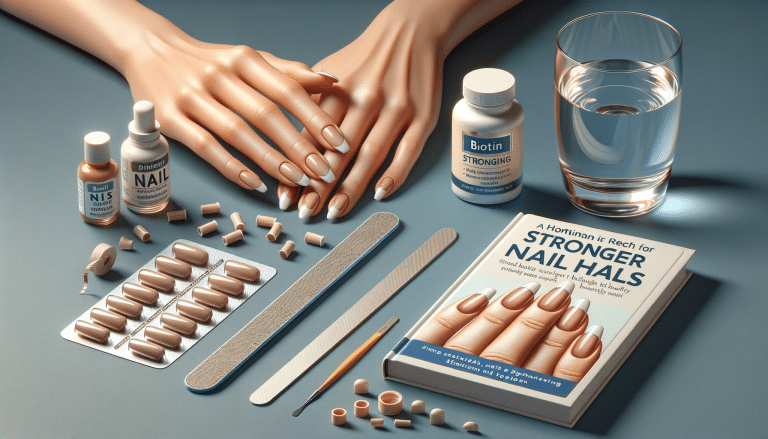 Simple Steps for Stronger Nails
 Why Your Body Needs Regular Wellness Services Including A Signature Deep Tissue Massage Services
 Why Expert Facials Services Are Key To Your Overall Wellness Services Plan In Abuja
 Why Getting Regular Manicure Services Boosts Your Confidence
 Why Investing In Premium Facials Services Prevents Early Aging