

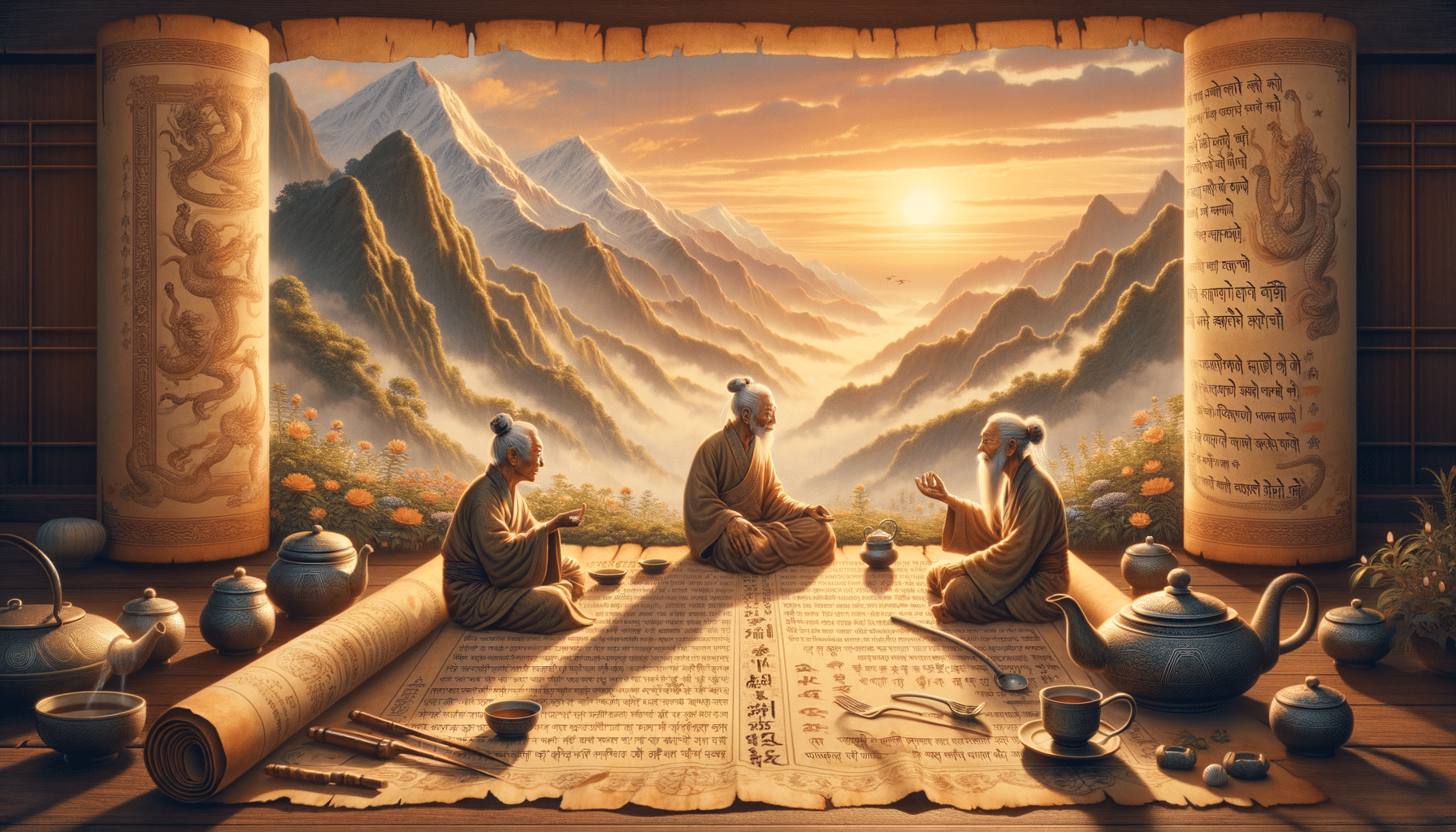
Throughout history, the quest for tranquility and peace of mind has been a universal pursuit. In our fast-paced modern world, the ancient approaches to relaxation can feel like a comforting whisper from the past, guiding us towards a more serene existence. This article delves into a plethora of ancient relaxation techniques, their historical significance, and how they can be seamlessly integrated into our daily lives to foster well-being.
The Historical Context of Relaxation Practices
Relaxation techniques are not a modern invention; they can be traced back to various civilizations. From the calming insights of ancient Indian yogis to the meditative practices of Zen Buddhism in Japan, these strategies have been cultivated over millennia. Exploring these ancient practices offers us a bridge to understanding human nature’s intrinsic need for peace, balance, and inner calm.
The Role of Mindfulness in Ancient Traditions
Mindfulness, a term often associated with contemporary wellness trends, has its roots in ancient practices. In Buddhism, mindfulness is foundational. The Buddha taught that focusing on the present moment was essential for achieving enlightenment. Mindfulness encompasses awareness of thoughts, emotions, and physical sensations, promoting a sense of calm.
Practices such as Vipassana meditation, which translates to "clear seeing," guide practitioners to observe their thoughts without judgment. By promoting non-attachment and acceptance, such techniques encourage a state of relaxation. This approach extends beyond meditation into daily activities, infusing mindfulness into routine chores, thus transforming mundane tasks into opportunities for relaxation.
The Art of Tai Chi and Qigong
Originating in ancient China, Tai Chi and Qigong are martial arts rooted in the philosophy of Taoism. These practices are often described as "meditation in motion," harmonizing the mind and body through slow, deliberate movements.
Tai Chi: A Dance of Balance
Tai Chi practitioners execute movements that promote relaxation, improve balance, and foster a deep connection with one’s breath. The gentle, flowing nature of Tai Chi allows individuals to release tension while cultivating body awareness. Historically, this practice was also employed as a form of self-defense, underscoring the duality of relaxation and strength.
Researchers have found that engaging in Tai Chi can have profound benefits, such as reducing anxiety and improving overall mental health. Because Tai Chi emphasizes slow transition from one posture to another, it prompts a state of relaxation and presence that calms the mind, allowing for mental clarity.
Qigong: Cultivating Life Energy
Qigong, on the other hand, is more focused on the cultivation of ‘Qi’ or life energy. Each movement in Qigong is designed to channel energy throughout the body. The practice integrates gentle movement, breath control, and focused intention. By synchronizing these elements, practitioners awaken a sense of vibrancy while simultaneously releasing stress.
Historically, Qigong was used for healing as well as martial training. Emphasizing self-care and wellness, Qigong calls for a gentle approach to life, reflecting the harmony that many ancient cultures sought.
Aromatherapy and the Power of Scents
The ancient Egyptians were among the first known civilizations to use essential oils derived from aromatic plants. They employed these oils not only for their fragrant qualities but also for their purported healing properties. This practice spread throughout various cultures, including the Greeks, Romans, and Indians, each integrating aromatherapy into their healthcare, relaxation, and ritual practices.
Egyptian Practices
In ancient Egypt, essential oils such as cedarwood, myrrh, and frankincense were utilized in religious ceremonies, healing rituals, and even as part of the embalming process. The aroma of these oils was believed to facilitate a connection with the divine while promoting relaxation in both the mind and body.
Ayurveda and Essential Oils
In Ayurveda, the traditional medicine system of India, scents play a crucial role. Specific oils are said to align with the doshas (body types), promoting balance. For example, lavender is known for its calming properties, making it a perfect remedy for stress.
The application of essential oils can also be practiced through diffusion or topical application, enhancing the relaxation experience. Creating a space filled with soothing scents mirrors the tranquility sought in ancient cultures, reminding us of our connection to nature and wellness.
The Wisdom of Ancient Texts
Ancient texts across various cultures delve into the subject of relaxation. For example, the Bhagavad Gita, a 700-verse Hindu scripture, addresses the importance of maintaining equanimity amidst life’s trials. It teaches the art of detachment, suggesting that inner peace arises not from external circumstances but from a balanced mind.
Similarly, the Tao Te Ching, a foundational text in Taoism, also echoes this sentiment. It emphasizes the significance of simplicity and naturalness, advocating for a serene disposition. The teachings from these texts are more than mere philosophy; they offer practical guidelines for cultivating outer and inner peace in the chaotic world we inhabit.
Nature and Relaxation: The Ancient Connection
From the ancient Greeks to Indigenous cultures worldwide, nature has been viewed as a refuge for relaxation and rejuvenation. The Greeks celebrated the beauty of nature through their philosophies, often retreating to gardens or the countryside to engage in meditation and reflection.
The Role of Sacred Landscapes
Many ancient cultures believed in sacred landscapes—places believed to possess spiritual energy that could aid in relaxation and contemplation. For instance, Native American tribes revered certain areas as places of healing power, using them as a backdrop for meditation, prayer, and healing rituals.
Rituals of Relaxation
Rituals often function as tools for relaxation by providing structure and intention. Ancient cultures employed rituals ranging from daily practices to seasonal celebrations. Given their spiritual or cultural significance, these rituals helped individuals center themselves, cultivate mindfulness, and achieve relaxation.
The Japanese Tea Ceremony
The Japanese tea ceremony, or "chanoyu," is a poignant example of ritualized relaxation. This art form emphasizes simplicity, harmony, and tranquility. Each gesture is imbued with purpose, fostering mindfulness and allowing participants to immerse themselves fully in the moment. The preparation and consumption of tea become an act of meditation, providing a serene experience that can transcend daily stressors.
Indigenous Ceremonies
Indigenous cultures utilize various ceremonies, such as sweat lodges, drumming circles, and other communal gatherings that promote relaxation and bonding. These rituals create an environment where individuals can release emotional and psychological burdens, fostering both individual peace and communal harmony.
Integrating Ancient Practices into Modern Life
The beauty of ancient relaxation techniques is that they can be adapted to suit the needs of contemporary society. Whether through daily rituals or weekend retreats, integrating these age-old practices into our routine can provide a much-needed reprieve from the chaos of modern life.
Mindful Meditation
Setting aside time for mindful meditation can be as simple as dedicating five minutes to focus on breathwork. Slowly inhaling and exhaling while observing thoughts can mirror the teachings of ancient traditions, offering layers of relaxation and mental clarity.
Nature Walks
Incorporating nature walks into one’s weekly schedule can also be beneficial. Drawing from the tradition of ancient cultures that revered natural landscapes, these walks can foster a deeper connection to nature and promote relaxation by allowing the mind to wander peacefully.
Aromatherapy Rituals
Creating an aromatic space at home with essential oils can serve as a daily ritual. Incorporating elements such as diffusers, wax melters, or candles can envelop the space in soothing scents that cue the mind and body to relax.
Exercise as Meditation
Physical activities like Tai Chi, Qigong, or even yoga can be transformative, combining movement with mindfulness. Engaging in these practices consistently helps cultivate both physical strength and inner calm, bridging the connection between body and mind.
Revisiting the Wisdom of Ancients
As we forge ahead in a world driven by technology and rapid responses, ancient secrets of relaxation offer a sanctuary of wisdom. By embracing their teachings and adapting them to suit our contemporary lifestyles, we stand to gain not only tranquility but also a deeper understanding of ourselves and our interconnectedness with the world around us. Implementing these timeless practices can lead to a rejuvenated sense of balance and calm, ushering in a new era of well-being amid the complexity of daily life.