

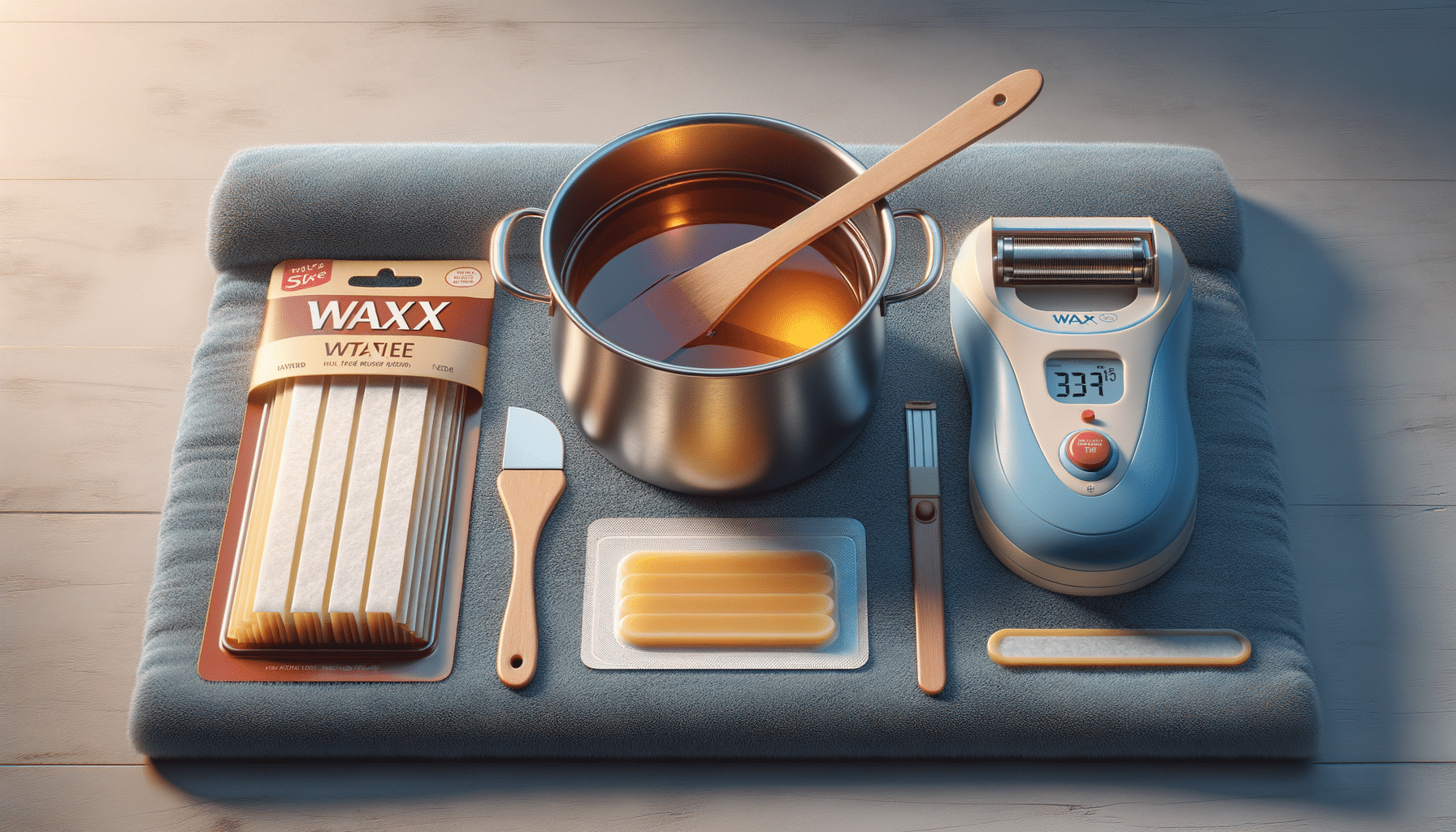
Waxing is a popular method for hair removal, known for leaving skin smooth for an extended period compared to shaving. There are several waxing techniques available, each with distinct pros and cons. Understanding the various methods can help you make an informed decision about what works best for your body and lifestyle. In this article, we’ll explore three of the most common body waxing methods: traditional hard wax, soft wax, and sugaring.
1. Traditional Hard Wax
What is Hard Wax?
Hard wax is utilized mainly for sensitive areas like the bikini line and underarms. Unlike soft wax, hard wax is applied in a thicker layer and does not require a fabric strip for removal. Instead, it hardens as it cools, allowing it to be pulled off directly.
Pros of Hard Wax
-
Gentler on Sensitive Skin: Hard wax is less likely to irritate sensitive skin and is ideal for areas like the face or bikini line, where the skin can be more delicate.
-
Less Painful: Because hard wax grips the hair rather than the skin, many users report that it feels less painful than soft wax.
-
No Stripping: The lack of need for fabric strips simplifies the process, making it easier for both the user and the aesthetician.
- Effective for Short Hair: Hard wax can effectively remove hair as short as 1/8 inch, making it suitable for clients who may not have time to wait for longer hair to grow.
Cons of Hard Wax
-
Application Technique: Hard wax can be trickier to apply, requiring a skilled aesthetician for the best results.
-
Cost: Typically, hard wax treatments can be more expensive than soft wax due to the price of the wax and the skill level required to apply it effectively.
- Limited Area: While hard wax is great for smaller sections, it is not suitable for larger areas, which may require a longer treatment time.
When to Choose Hard Wax
Choose hard wax if you have sensitive skin, are looking for a longer-lasting solution in delicate areas, or want to minimize pain during the waxing process. This method is ideal for those who prioritize comfort and efficacy above all.
2. Soft Wax
What is Soft Wax?
Soft wax is often used to remove hair from larger body areas such as the legs, arms, and back. This method involves applying a thin layer of wax, followed by a fabric or paper strip to lift the wax and hair away.
Pros of Soft Wax
-
Quick Application: Soft wax can cover larger areas quickly, making it a faster option for full body waxing.
-
Effective for Finer Hair: This waxing technique works well for removing fine hair, as it captures hair effectively when pulled off with the strip.
-
Versatile: It can be used on almost any part of the body, from legs to arms to the back.
- Availability: Soft wax is generally more readily available in salons, and many at-home waxing kits utilize this method.
Cons of Soft Wax
-
More Painful: Because soft wax adheres to both the skin and hair, it can be more painful during removal.
-
Skin Irritation: Users may experience more irritation and redness afterward due to the nature of the product and the removal technique.
- Hair Length Requirement: Soft wax generally requires hair to be around 1/4 inch long to effectively remove it, which may not be ideal for everyone.
When to Choose Soft Wax
Soft wax is a good option if you’re looking to get large areas waxed quickly and efficiently. It’s great for those who are seeking a comprehensive body waxing session and can tolerate a bit more discomfort in exchange for speed. If you have a lot of surface area and don’t mind the usual after-wax redness, soft wax can be a suitable choice.
3. Sugaring
What is Sugaring?
Sugaring is an ancient hair removal method that uses a paste made primarily of sugar, water, and lemon juice. The paste is applied in the opposite direction of hair growth and removed in the same direction, which can reduce the chance of hair breaking.
Pros of Sugaring
-
Natural Ingredients: Sugaring paste is made from natural ingredients, making it less likely to irritate the skin compared to chemical-laden wax products.
-
Less Painful: Many users report that sugaring is less painful than traditional waxing methods, as it adheres only to hair and dead skin cells instead of the skin.
-
Exfoliation: Sugaring also acts as a mild exfoliant, removing dead skin cells while extracting hair.
- Easy Cleanup: Since the main ingredient is sugar, cleaning up after a sugaring session is simple; it washes away with water.
Cons of Sugaring
-
Technique-Sensitive: Effective application requires skill and may take time to master if you are trying it at home.
-
Sticky Mess: The sugar paste can be quite sticky, which can be challenging for beginners to handle.
- Limited Availability: Depending on where you live, professional sugaring salons may not be widely available.
When to Choose Sugaring
If you are allergic to conventional waxing products, prefer natural treatments, or have sensitive skin, sugaring might be your best bet. This method is particularly suitable for anyone concerned about pain or irritation, as many appreciate the gentler nature of sugaring compared to traditional waxes.
Comparing the Methods
Pain Tolerance
For those who prioritize comfort, hard wax and sugaring are typically favored options, with many individuals reporting less discomfort. Conversely, soft wax can be quite painful due to its adherence to the skin.
Skin Sensitivity
If your skin is sensitive or prone to irritation, you may want to opt for hard wax or sugaring, both of which are designed to minimize skin contact and irritation.
Hair Length and Type
Soft wax is effective for new hair growth but requires longer hair. Hard wax can handle shorter strands, while sugaring can effectively extract both fine and coarse hair.
Time and Convenience
For larger areas and a quicker experience, soft wax usually wins out. However, if you are focused on smaller, sensitive areas, hard wax may be a better fit.
Aesthetician Skill
Regardless of the technique you choose, the skill of your waxing technician can significantly impact your experience. Ensure you visit a reputable salon where the aestheticians are trained in the specific method you’re interested in.
Understanding the nuances of hard wax, soft wax, and sugaring can guide you toward the best waxing method for your body and lifestyle. Each method caters to specific preferences and skin types, and finding the right choice for you can lead to a smoother, more satisfying experience in your hair removal journey.
Luxor Spa Salon | Best Spa & Wellness Center in Abuja Home
Related Posts
 Your First Time Waxing Guide
 Full Body Waxing Done Right
 Benefits of Sugaring vs Waxing
 Painless Waxing Tips and Tricks
 Waxing Aftercare You Need to Know
 Pre-Natal Massage: A Special Treat for Abujaʼs Mums-to-Be – Luxor Spa Abuja
 What Is the Price for Body Waxing in Abuja?
 Get the Skin Youʼve Always Dreamed Of with Our Body Waxing – Luxor Spa Abuja