In an era where self-care and wellness have become essential aspects of modern living, spas are evolving from mere relaxation havens into holistic hospitality experiences. Gone are the days when a trip to the spa was solely about getting a massage or facial. Today, spa hospitality is an intricate blend of services, ambiance, and personalized care that aims to elevate the entire guest experience to new heights. This shift represents a broader understanding of wellness that encompasses mind, body, and spirit.
The Evolution of Spa Experiences
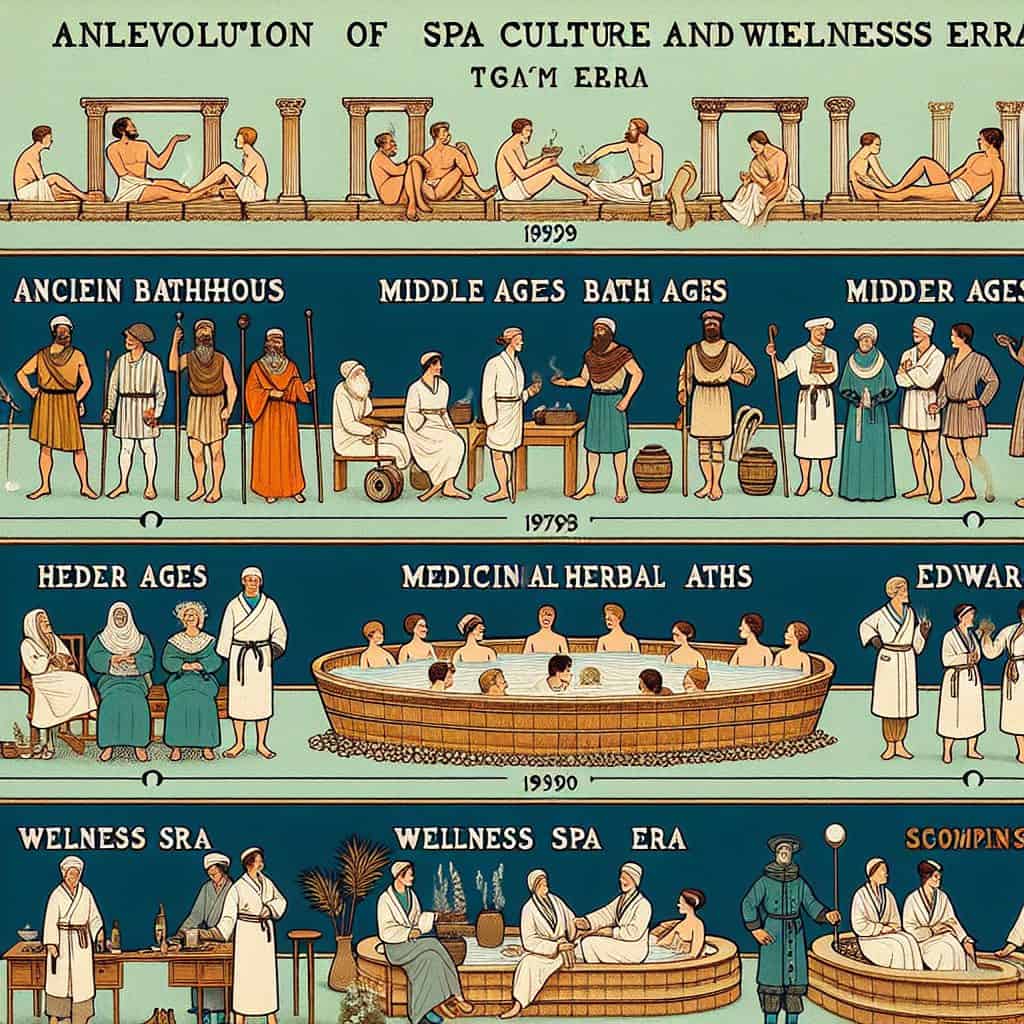
Traditionally, spas were often viewed as luxury indulgences. However, as the wellness industry has expanded, so too has the perception of spa services. With a growing consumer desire for comprehensive wellness solutions, spas now offer an array of modalities ranging from hydrotherapy and aromatherapy to mindfulness practices and nutritional consultations.
This evolution reflects an understanding that true wellness is multidimensional. Spa professionals are now being trained not just in the technical skills of treatments but also in understanding guest psychology and lifestyle preferences. As a result, spas have become places where guests can find solace, serenity, and a sense of rejuvenation.
Personalization: The Heart of Spa Hospitality
Central to the modern spa experience is personalization. Today’s guests are looking for services tailored to their unique needs and preferences. Spa professionals take meticulous care to conduct thorough consultations with clients, learning about their individual goals, challenges, and past experiences. This ensures that each treatment plan is customized, making it more effective and fulfilling.
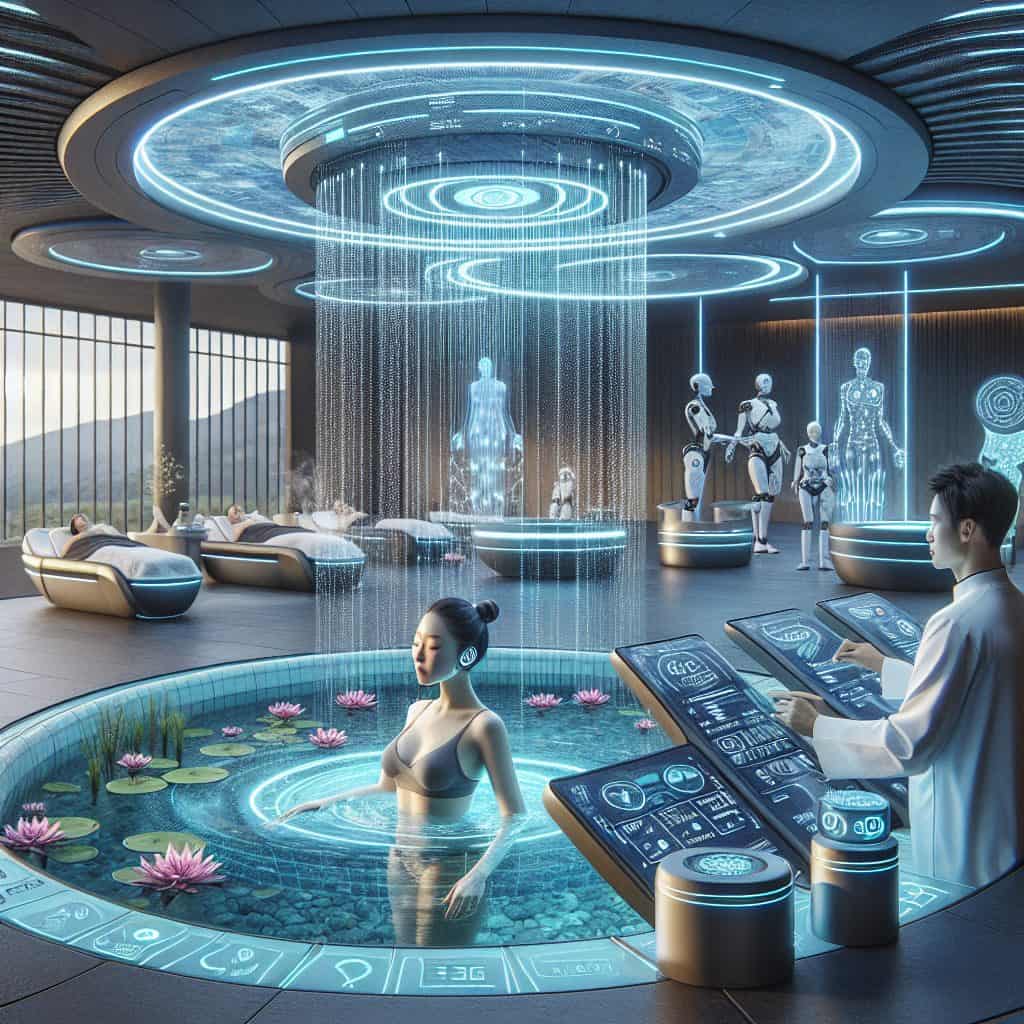
A growing trend in personalization is the use of technology. Many spas are leveraging analytical tools and guest profiles to enhance the customer experience. For example, apps that allow guests to pre-select treatments based on their previous visits or wellness goals can streamline the experience, making it both seamless and personal.
Creating a Serene Environment
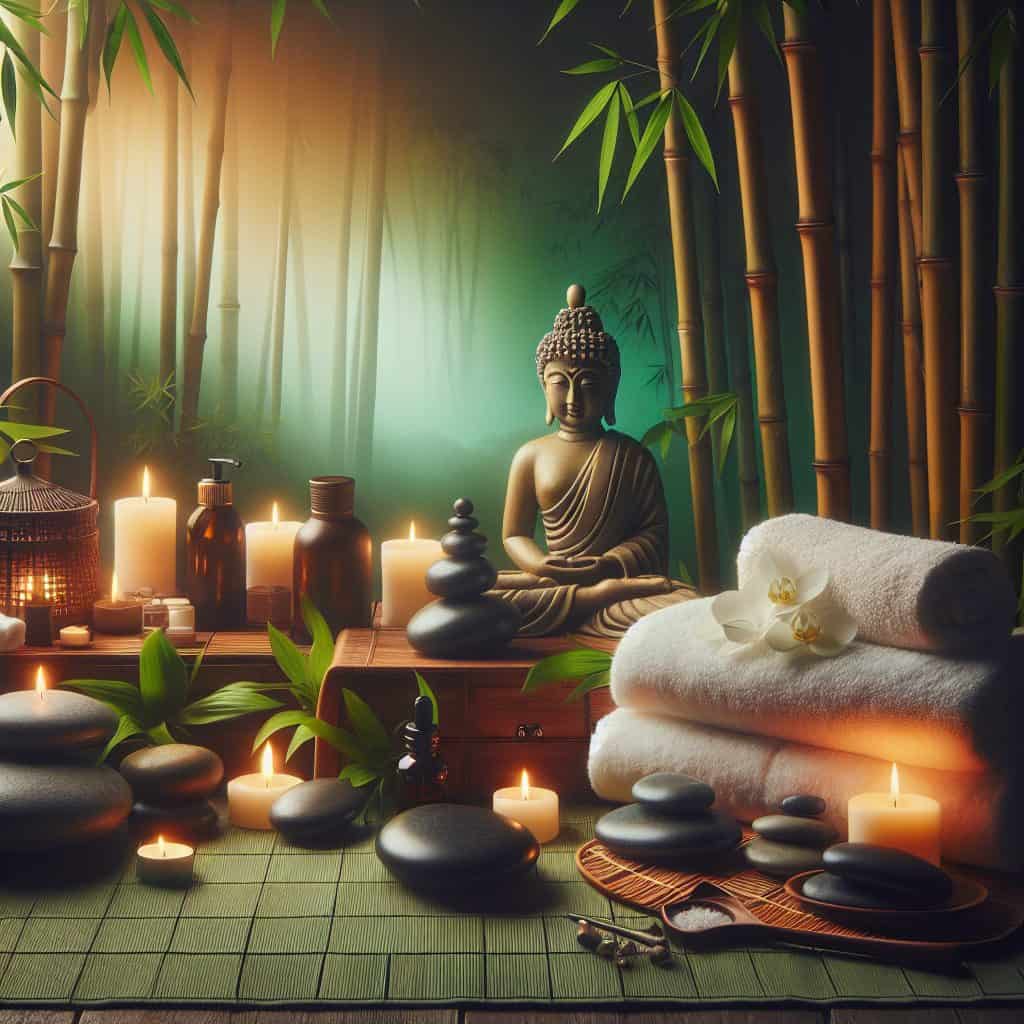
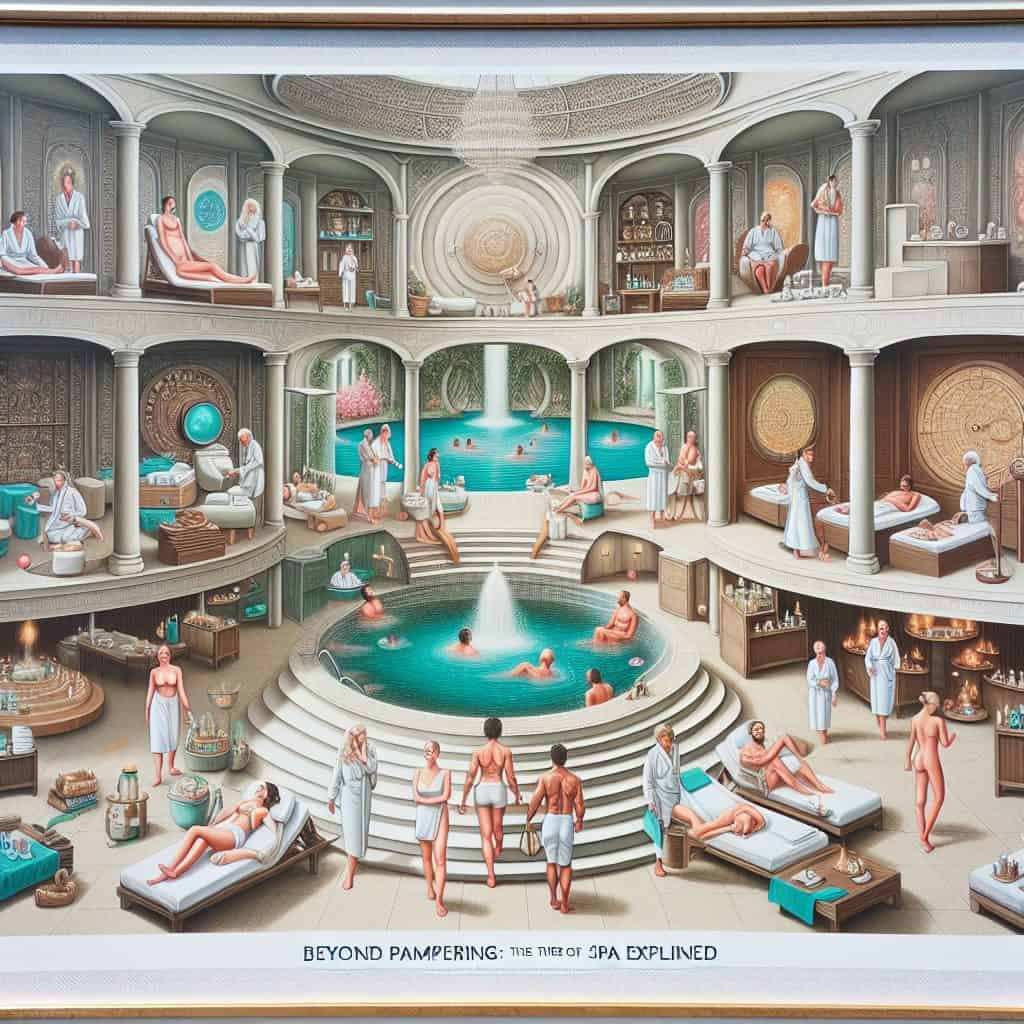
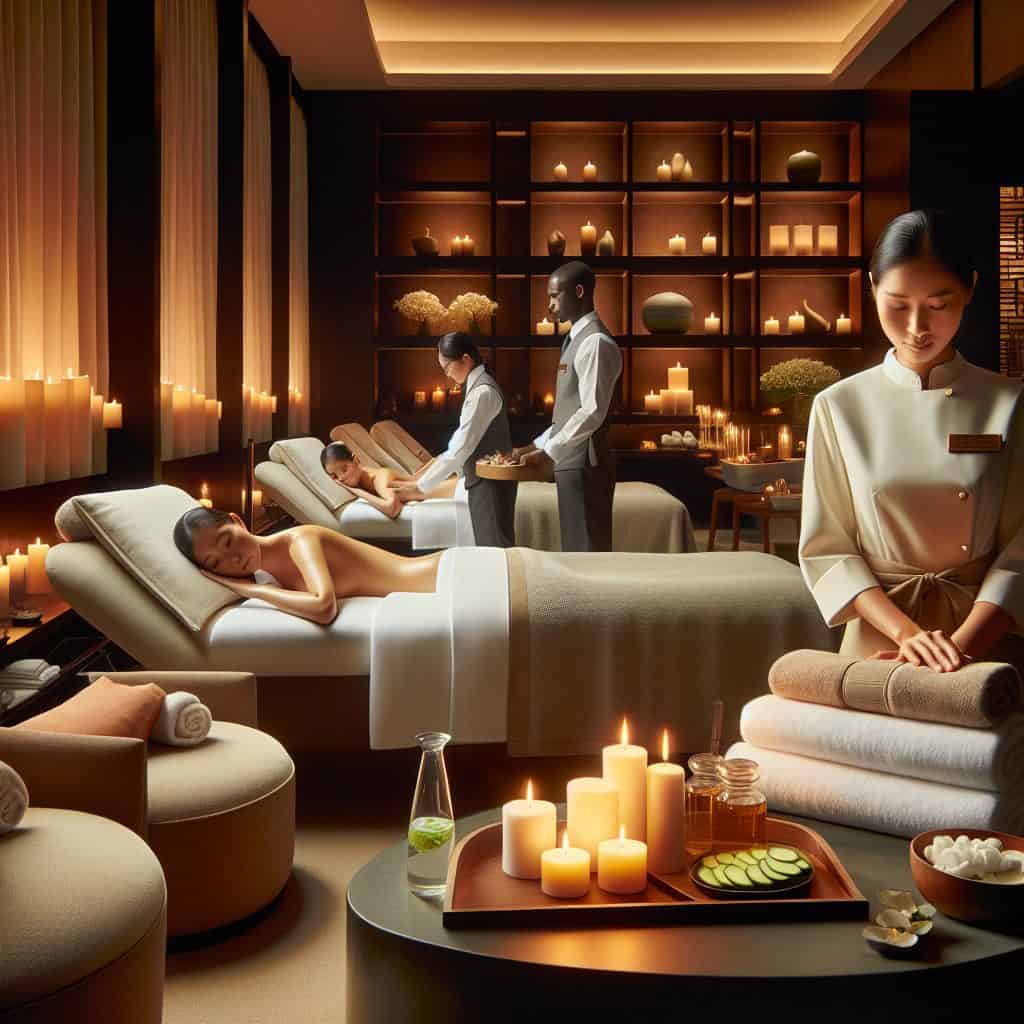
Ambiance plays a crucial role in elevating guest experiences. The physical layout and design of a spa can significantly influence a guest’s emotional and psychological state. Thoughtful design elements, from soothing lighting and calming scents to comfortable furnishings and tranquil soundscapes, are essential in creating an environment conducive to relaxation.
Many spas are taking inspiration from nature—incorporating elements like indoor gardens, water features, and natural materials—to foster a sense of connection with the outdoors. This trend toward biophilic design not only enhances the aesthetic appeal of the space but also contributes to the psychological well-being of guests.
Beyond Treatments: Full-Service Offerings
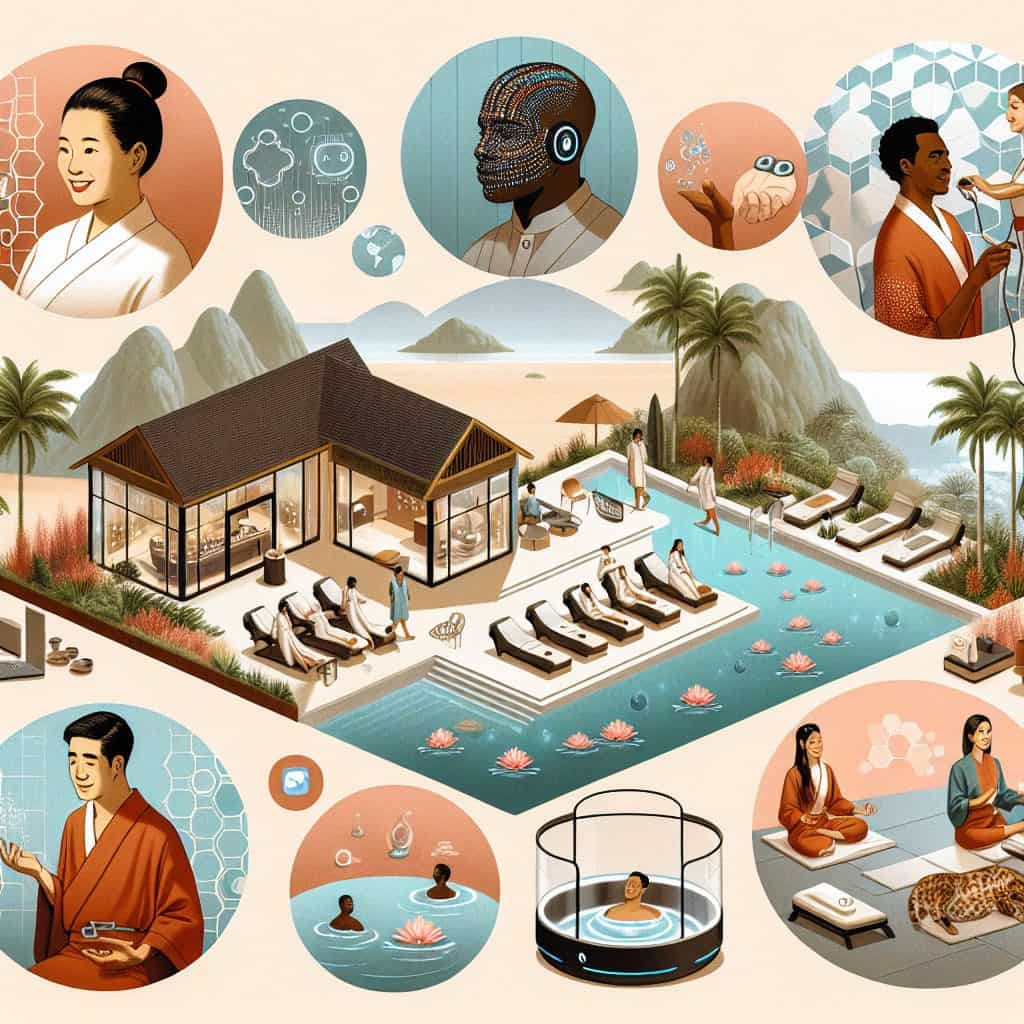
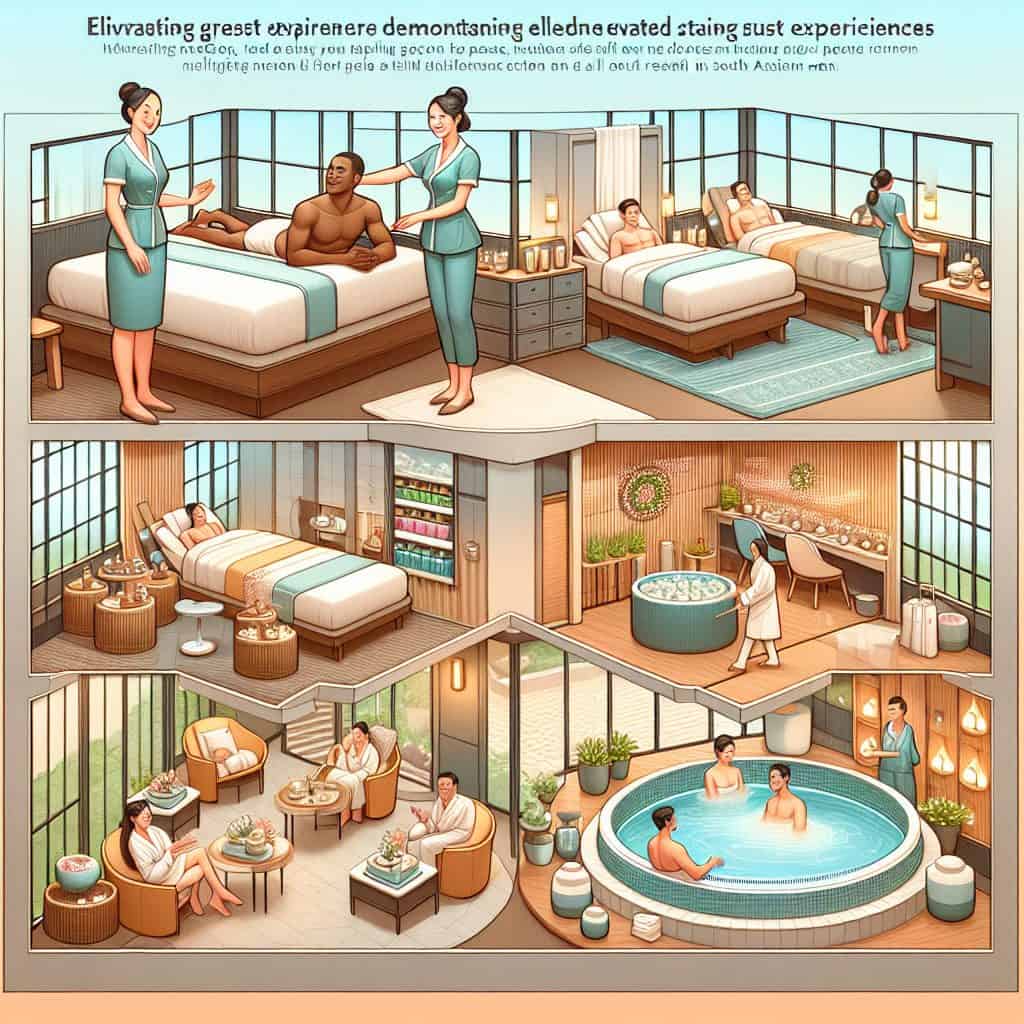
While massages and facials remain staples, modern spas are expanding their offerings to encompass holistic well-being. Integrating services such as yoga and meditation sessions, nutritional counseling, and wellness workshops provides guests with comprehensive solutions to their health and wellness goals.
Further, many spas are offering unique experiences that enhance their appeal to guests. From herbal teas and light snacks featuring locally sourced ingredients to workshops led by wellness experts, these offerings create a more immersive experience, encouraging guests to embrace a lifestyle of wellness beyond the spa walls.
Building Community and Connection
As wellness becomes a communal activity, many spas are fostering a sense of community among guests. By hosting events, wellness retreats, and informative workshops, spas create opportunities for guests to connect with one another—fostering friendships and support networks that extend beyond individual treatments.
Such initiatives not only enhance the guest experience but also position the spa as a hub for health and wellness within the community. Spas are transforming into spaces where individuals can share their journeys, learn from one another, and cultivate inspiration for healthier lifestyles.
The Role of Staff Training and Expertise
Key to the success of spa hospitality is the quality of service provided by the staff. Beyond technical expertise, spa professionals are being trained in soft skills such as empathy, active listening, and emotional intelligence. Recognizing that each guest is unique and may have specific emotional or physical barriers to overcome creates a more meaningful connection between the therapist and the client.
Many spas are investing in ongoing training for their staff, ensuring they remain up-to-date with the latest wellness trends and techniques. A knowledgeable and compassionate team is at the heart of an exceptional spa experience, as guests are more likely to return when they feel understood and valued.
Conclusion
The evolution of spa hospitality is a testament to the growing emphasis on holistic wellness and guest-centric experiences. By moving beyond the traditional confines of treatments, modern spas are creating environments that nurture the whole person—mind, body, and spirit. As the spa landscape continues to evolve, those that prioritize personalization, ambiance, and community connection will stand out, offering guests a transformative experience that enriches their lives long after they leave the spa.
The future of spa hospitality promises to be an exciting journey, inviting everyone to discover the profound benefits of self-care and wellness within beautifully curated environments that feel like a home away from home.